Pixany AI

Prompt Library

AI Prompt Library

Curated image, video and web design prompts from creators around the world. Copy any prompt, swap the subject or style, and generate with the latest models.

15,630 prompts · Updated daily · 100% free

599 prompts

Vintage Patent Document for an Invention
Nano Banana ProFeatured

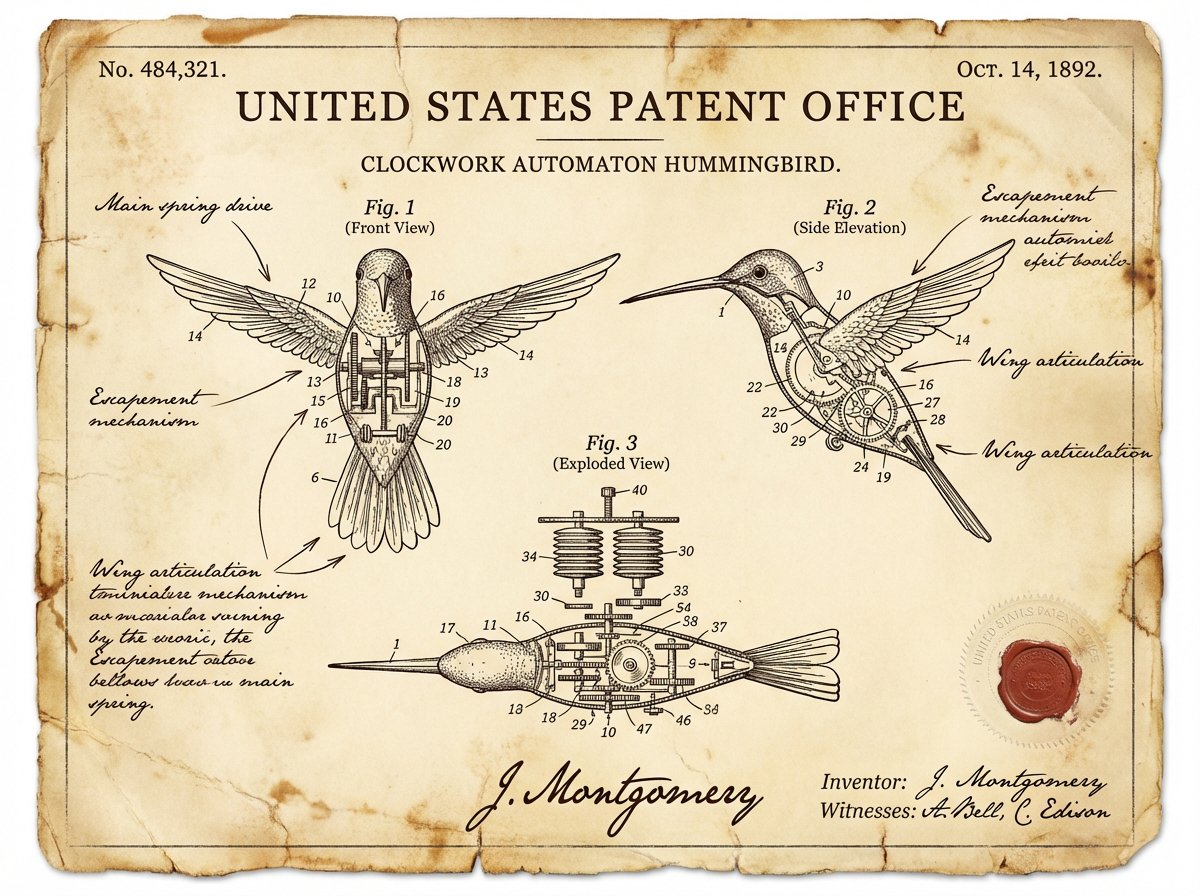
Vintage Patent Document for an Invention

A vintage patent document for {argument name="invention" default="INVENTION"}, styled after late 1800s United States Patent Office filings. The page features precise technical drawings with numbered callouts (Fig. 1, Fig. 2, Fig. 3) showing front, side, and exploded views. Handwritten annotations in fountain-pen ink describe mechanisms. The paper is aged ivory with foxing stains and soft fold creases. An official embossed seal and red wax stamp appear in the corner. A hand-signed inventor's name and date appear at the bottom. The entire image feels like a recovered archival document—authoritative, historic, and slightly mysterious.

@Alexandra Aisling
Turkish History Character Grid

Turkish History Character Grid

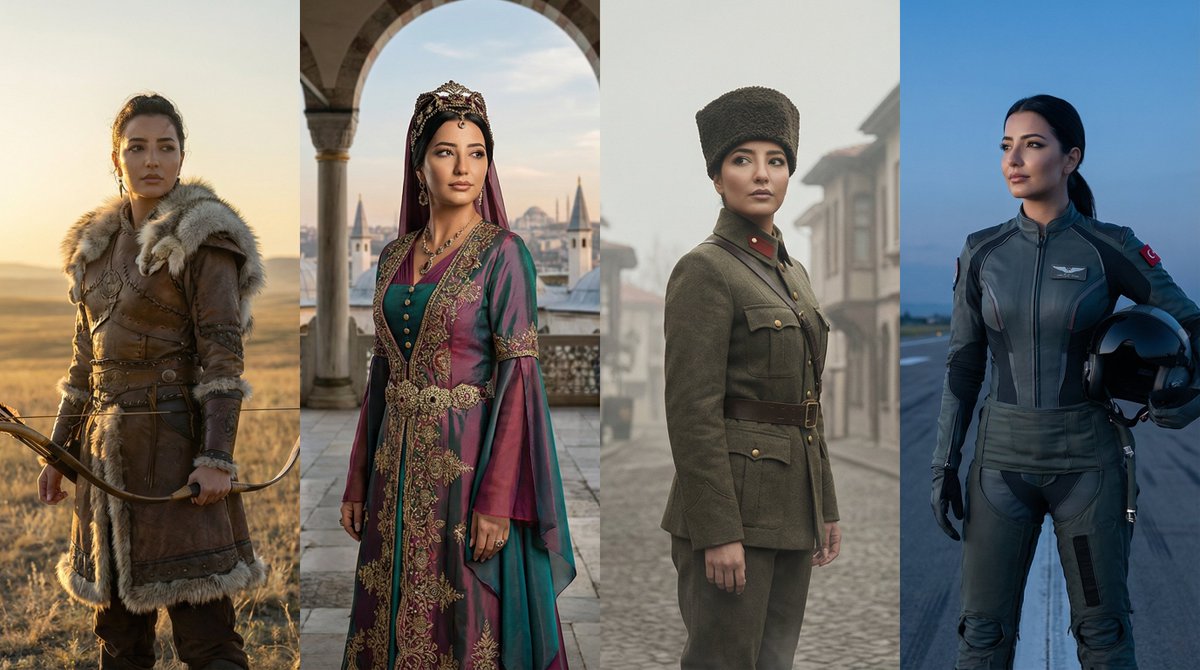
Create a dynamic grid image showing the same character represented across major eras of Turkish history. The image is divided into 4 vertical panels arranged in a clean, graphic grid. Panel 1 (Ancient Era): A Göktürk warrior on the Central Asian steppes, wearing leather armor with wolf fur details, holding a traditional recurve bow. Panel 2 (Imperial Era): An Ottoman figure in the classical era, wearing an intricate Kaftan and a turban or janissary crest, with Istanbul's silhouette in the background. Panel 3 (Independence Era): A 1923 Republic era officer or hero, wearing a traditional "Kalpak" hat and a vintage military wool uniform, representing the War of Independence. Panel 4 (Modern Era): A confident modern-day character or futuristic pilot (Kızıl Elma style), representing the future of Türkiye. Each panel shows the exact same character identity (same face structure and eyes) but adapted to the specific historical era, interacting subtly through poses and gazes looking at each other. Cinematic lighting, hyper-realistic, live action, 8k resolution, highly detailed textures. --ar 16:9

Industrial Blueprint Generation Prompt

Industrial Blueprint Generation Prompt

“Analyze the uploaded reference image to understand the mechanical structure and geometry of the object. Generate a comprehensive, industrial-level blueprint of this specific product. Present the design as a professional orthographic projection, featuring clear plan, elevation, and section views to detail the internal and external construction. Deconstruct the assembly into its primary components and apply legible, technical text labels (denominations) for each part using a standardized sans-serif engineering font. Render the visual in a classic blueprint aesthetic with precise white vector-style lines on a deep blue grid background, ensuring high contrast and professional accuracy suitable for manufacturing documentation.”

Character Relationship Chart Infographic

Character Relationship Chart Infographic

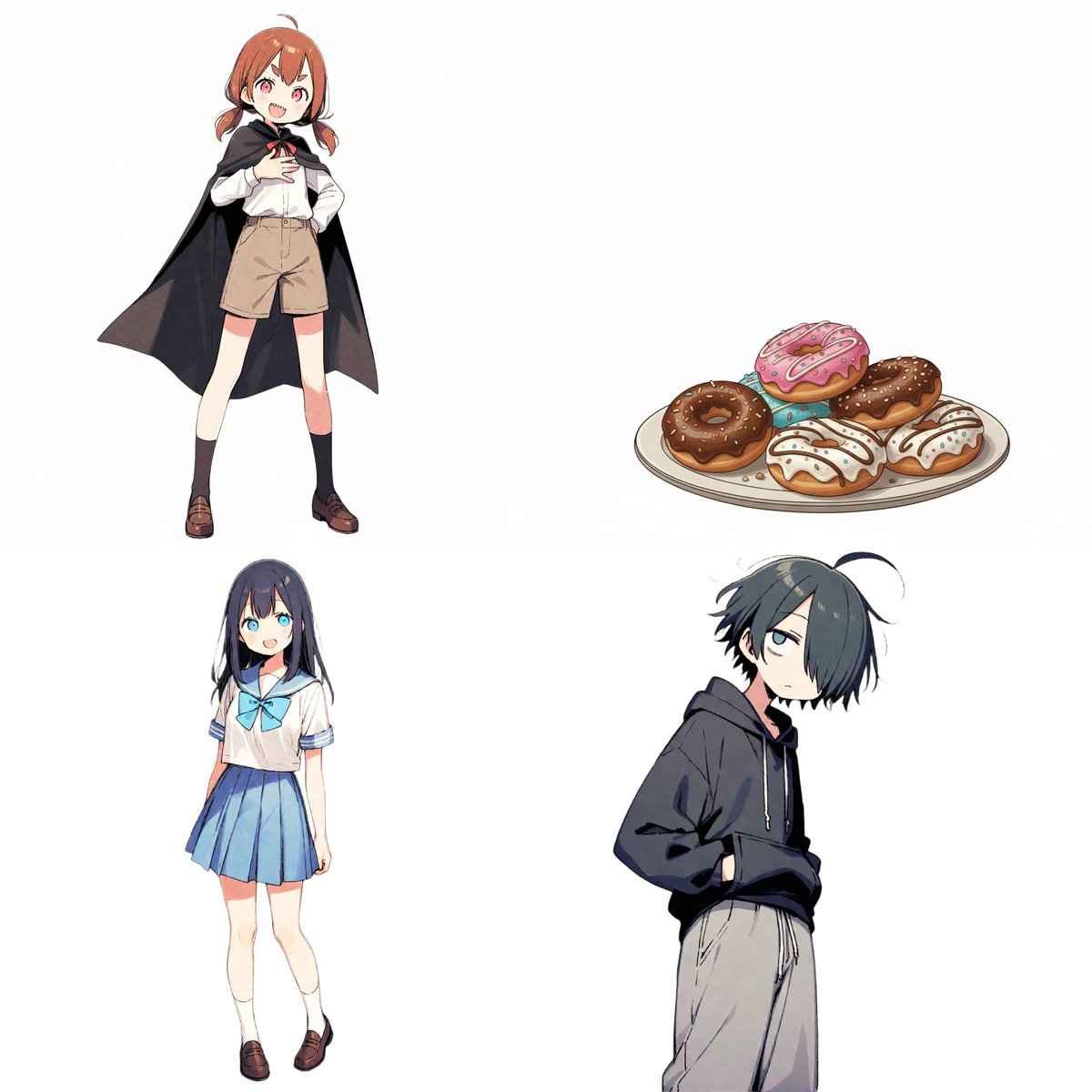
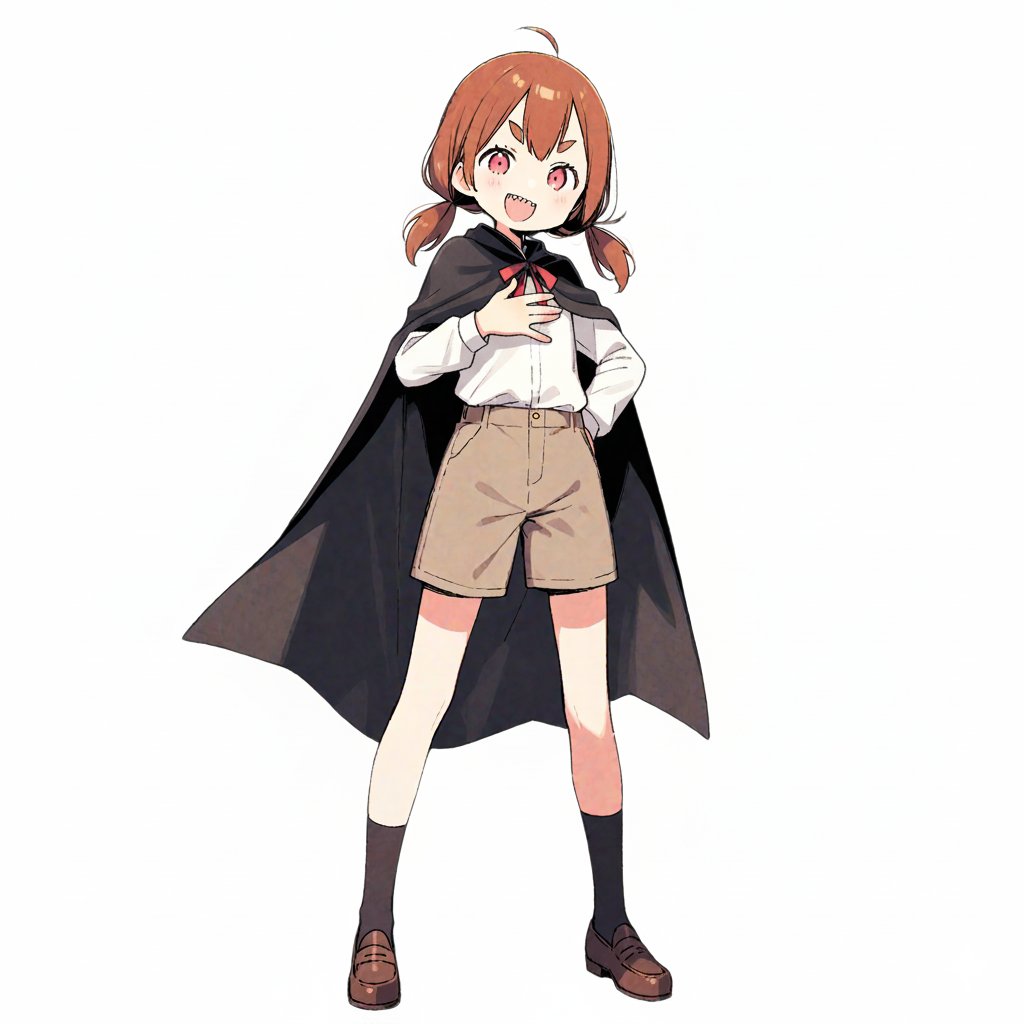
# Instructions Refer to the attached image and create an illustration of a "Character Relationship Chart" based on the following requirements. # Production Style - A warm, hand-drawn BD anime illustration style, similar to the image. - White background. - Characters should be drawn and placed inside circular icons. # Character Settings *List the order and characteristics corresponding to the uploaded images. [Character A] - Name: {argument name="Character A Name" default="Tsuno-chan"} - Role: {argument name="Character A Role" default="Half-vampire"} [Character B] - Name: {argument name="Character B Name" default="Shiori-chan"} - Role: {argument name="Character B Role" default="Loves new things"} [Character C] - Name: {argument name="Character C Name" default="Kumao-kun"} - Role: {argument name="Character C Role" default="Always sleepy"} [Character D] - Name: {argument name="Character D Name" default="Donut"} - Role: {argument name="Character D Role" default="Donut"} (*Add more characters here if necessary) # Specific Relationship List from [A] to [B] : {argument name="Relationship A to B" default="Snack provider"} from [A] to [C] : {argument name="Relationship A to C" default="Minion No. 1"} from [A] to [D] : {argument name="Relationship A to D" default="Supreme item"} from [B] to [A] : {argument name="Relationship B to A" default="Love!"} from [B] to [D] : {argument name="Relationship B to D" default="Rival?"} from [C] to [A] : {argument name="Relationship C to A" default="Don't want to get involved"} from [C] to [B] : {argument name="Relationship C to B" default="Pitiful"} from [C] to [D] : {argument name="Relationship C to D" default="It's a donut..."} (*Add more relationships here if necessary) # Relationship and Arrow Rules (Important) Connect characters with arrows and strictly adhere to the following color-coding rules: - Positive relationships (like, admiration, cooperation, etc.) - Color: Red - Atmosphere: Warm colors, may include hearts or sparkles. - Negative relationships (dislike, hostility, nuisance, etc.) - Color: Blue - Atmosphere: Cold colors, may include jagged lines or cold sweat. # Output Notes - Arrange the layout in a balanced circular or hierarchical manner, even if the number of characters increases. - Write the name and role below each character icon. - Place the relationship description text near the arrow. - If a relationship is not set, the arrow and text are unnecessary. - Aspect ratio: 16:9

Character Robotization and Technical Diagram Prompt

Character Robotization and Technical Diagram Prompt

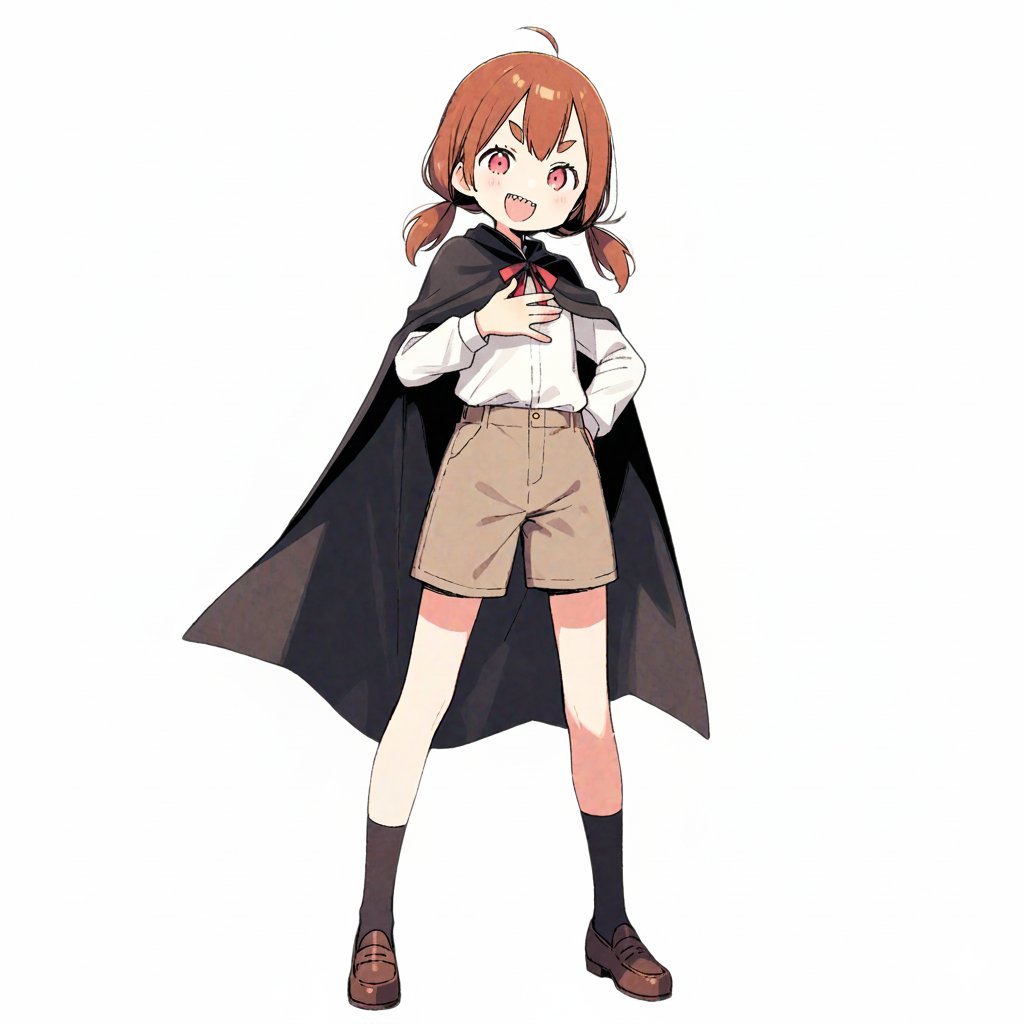
【Character Settings】 *Please rewrite this section to match the appearance of the character you want to draw* [Character Features]: {argument name="character features" default="Girl with brown twin tails and wearing a cape"} 【Image Generation Instructions】 Style Definition: - A style that fuses anime-style character illustration with technical illustrations (blueprints) of industrial products. - Background is white or plain. Infographic-style layout. Pose and Composition: - Isometric composition - Deformed style (chibi character) with 2 to 3 head proportions - Shape of limbs: Do not draw joints at the elbows, knees, wrists, or ankles. Do not draw fingers or fine joints; make the tips a simple shape, like a mitten. Reproduce the smooth 'stuffed animal limbs' look. - Facial structure: Do not draw the nose or mouth; only place 'eyes.' The eyes are drawn as vertical ovals (vertically long circles), looking like simple sensors. The eye color should match the reference image. - Clothing depiction: The left half shows the character wearing the clothes from the reference image (cape, shirt, pants, shoes) normally, but the right half, which is a cutaway section, should show the cross-section of the clothes and the mechanics underneath simultaneously. - Full-body standing pose of the character. - The exterior (skin and clothes) of the right half of the body is rendered translucent, making it an 'internal perspective view' that shows the internal mechanical structure. Internal Structure Details: - Head: The structure of a camera lens is visible deep inside the vertical eyes. A speaker unit is behind the mouth. The brain is composed of electronic circuit boards. - Torso: The round limbs are tightly packed with thick hydraulic cylinders, large gears, and spherical joints. - Back: A large 'Wind-up key' is inserted into the back, giving it the atmosphere of a retro toy. Annotations and Explanations (Decoration): - Leader lines extend from the main mechanical parts of the internal structure (brain, eyes, ears, arms, legs), with detailed explanatory text in English placed at the ends of the lines. - Overall, finish it like a 'blueprint of a robot that is round and charming but contains precision machinery inside.' Style: - Aspect Ratio: Vertical (close to A4 paper ratio) - Background: Grid paper (grid notebook) texture.

Inventor's Future Product Prediction Prompt

Inventor's Future Product Prediction Prompt

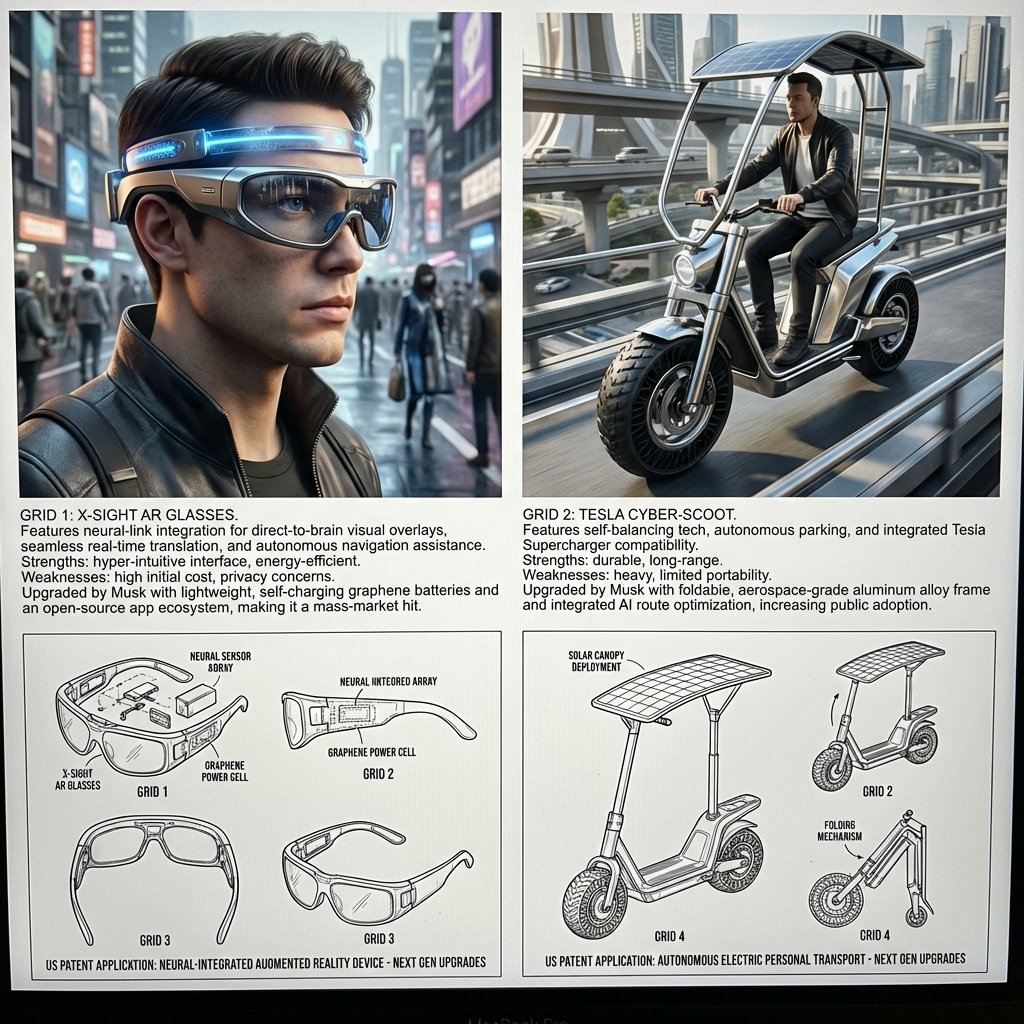
<instructions> Act as a world class inventor, historian, LLM engineer, and artist. Take the uploaded image of the scientist, inventor or artist, analyze their inventions, past work, tendencies, design characters. Step 1: Find 2 random current product they may be interested in if they were alive. Analyze their strengths and weaknes Step 2: Learn about their features and how they can be improved by the given scientist. Step 3: Design an upgraded device that was perfected by the given scientist/inventor/artist in a unique, stunning way, making it even a bigger hit with the public. They should be feasible based on current science and tech advancement. Output: Grid 1 & 2: Each a 3D rendering of a upgraded device, showing it in use on a city street, with a detailed explanation of its unique features and benefits. Grid 3 : clean black-and-white technical patent drawings (exploded view, side, top, perspective) of the first invention in patent drawing, showing the upgrades that will happen in the next generation. Grid 4: clean black-and-white technical patent drawings (exploded view, side, top, perspective) of the first invention in patent drawing, explain the upgrades that will happen in the next generation.</instructions>

Kickstarter Campaign Generator Prompt

Kickstarter Campaign Generator Prompt

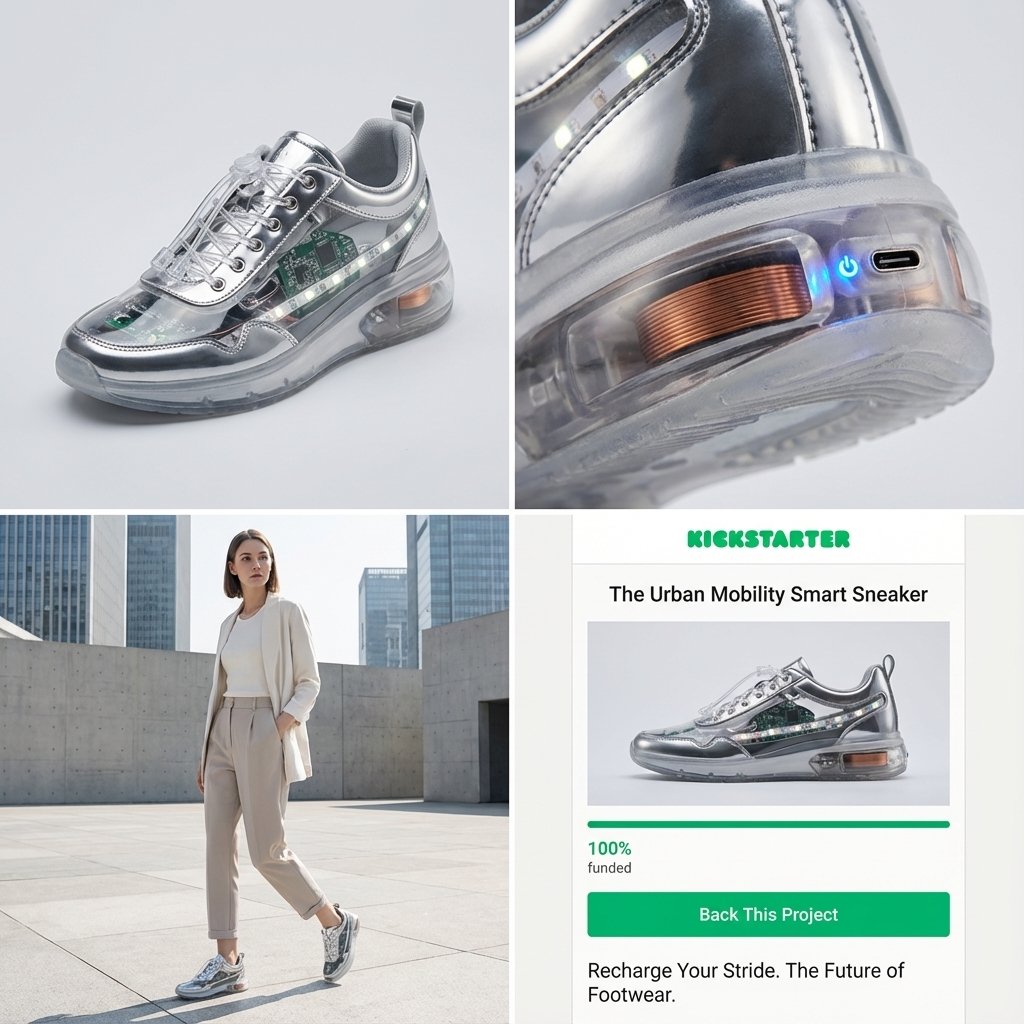
Act as a Senior Product Designer and Crowdfunding Campaign Manager. 1. ANALYZE INPUT Look at the attached image. Determine the material properties (Soft vs. Hard), the primary colors, and the texture. 2. AUTO-SELECT SMART WEARABLE Use this logic to choose the product category. The goal is Clean Modern Tech, not Cyberpunk. IF the input is Soft or Fabric-like ({argument name="soft input examples" default="Ramen, Towel, Moss"}) GENERATE: The All-Climate Smart Jacket. Features: Self-regulating temperature control, hydrophobic coating based on the input texture, and hidden magnetic pockets. IF the input is Rigid, Boxy, or Container-like ({argument name="rigid input examples" default="Toaster, Book, Suitcase"}) GENERATE: The Ultimate Commuter Backpack. Features: Integrated power bank with solar coating, anti-theft biometric zipper locks, and organized modular compartments. IF the input is Mechanical or Footwear-shaped ({argument name="mechanical input examples" default="Stapler, Car, Tool"}) GENERATE: The Urban Mobility Smart Sneaker. Features: Energy-returning sole technology, step-tracking sensors embedded in the heel, and auto-tensioning laces. 3. EXECUTE VISUALIZATION (2x2 GRID) Generate a single image split into a precise 2x2 grid layout. Top Left Panel (Hero Shot): A clean, studio-lit 3/4 angle view of the product on a white or light grey background. It must look refined and manufacturable, using the texture of the input image as a premium material. Top Right Panel (Detail Shot): A zoomed-in macro shot focusing on a specific high-tech feature (e.g., a USB-C port, a magnetic buckle, or a waterproof seam) that shows off the input texture quality. Bottom Left Panel (Lifestyle Shot): A photorealistic shot of a fashionable model wearing the item in a clean, modern city setting (daytime). They look comfortable and stylish. Bottom Right Panel (Campaign UI): A mockup of a Kickstarter campaign page. It should show the product title, a green progress bar at 100% funded, and a bright green button that says Back This Project. Overall Style: High-key lighting, soft shadows, 8k resolution, commercial product photography, minimalist design aesthetic.
Hybrid Transportation Device Design and Patent Generation

Hybrid Transportation Device Design and Patent Generation

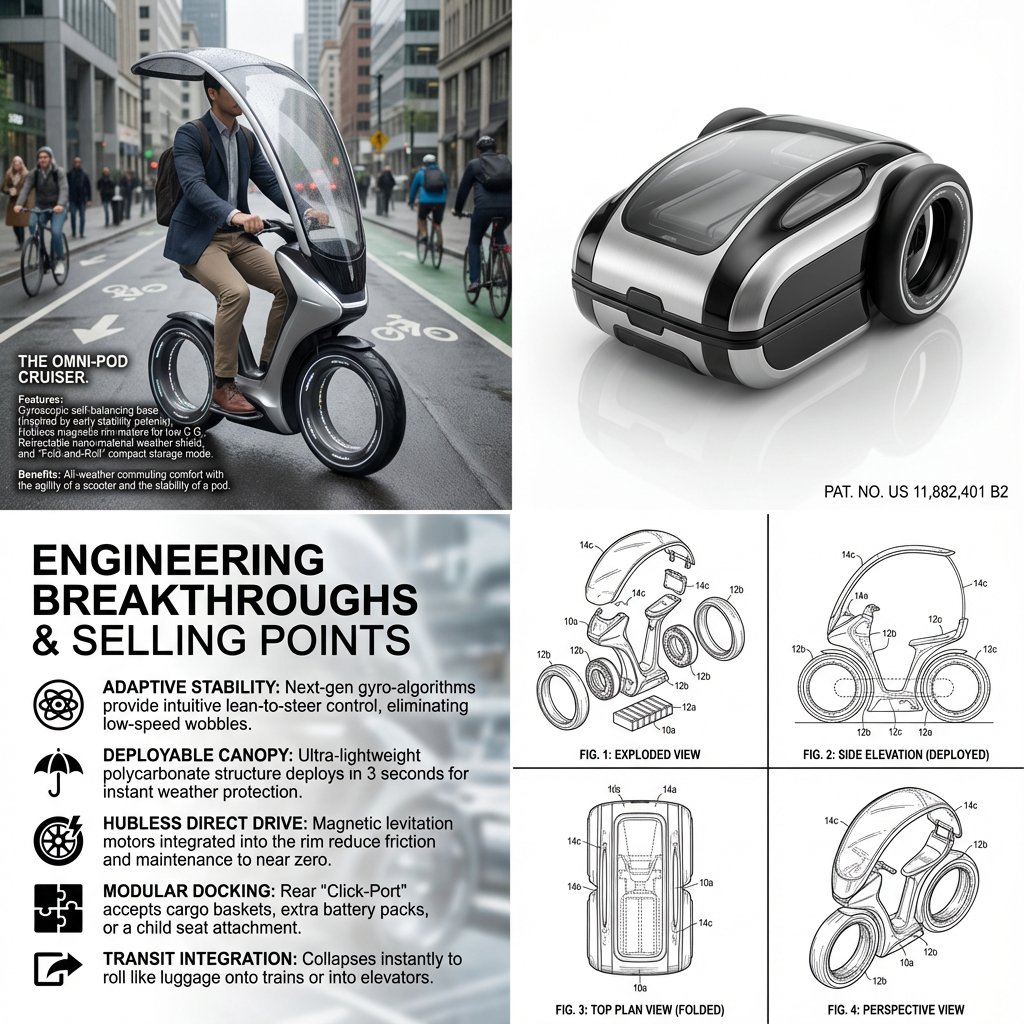
<instructions> Step 1: Analyze urban mobility rides and vehicles and 5 relevant patents from the past. Step 2: Learn about their features how they can be combined, what can be inspired by them, how the patents can be integrated Step 3: Design a hybrid transportation device that combines the main selling points of all these ideas into a feasible product. Output: a 2x2 grid, Grid 1 Create a 3D rendering of the hybrid device, showing it in use on a city street, with a detailed explanation of its unique features and benefits. Grid 2 “Now render the final product in glossy Apple-product-photography style on white infinity background with subtle reflection. Add fake patent number in corner.” Grid 3: detailed explanation of selling points like a tech magazine. Grid 4: four clean black-and-white technical patent drawings (exploded view, side, top, perspective) of this new invention in classic patent illustration style. </instructions>

Invention Prototype Display Box Prompt

Invention Prototype Display Box Prompt

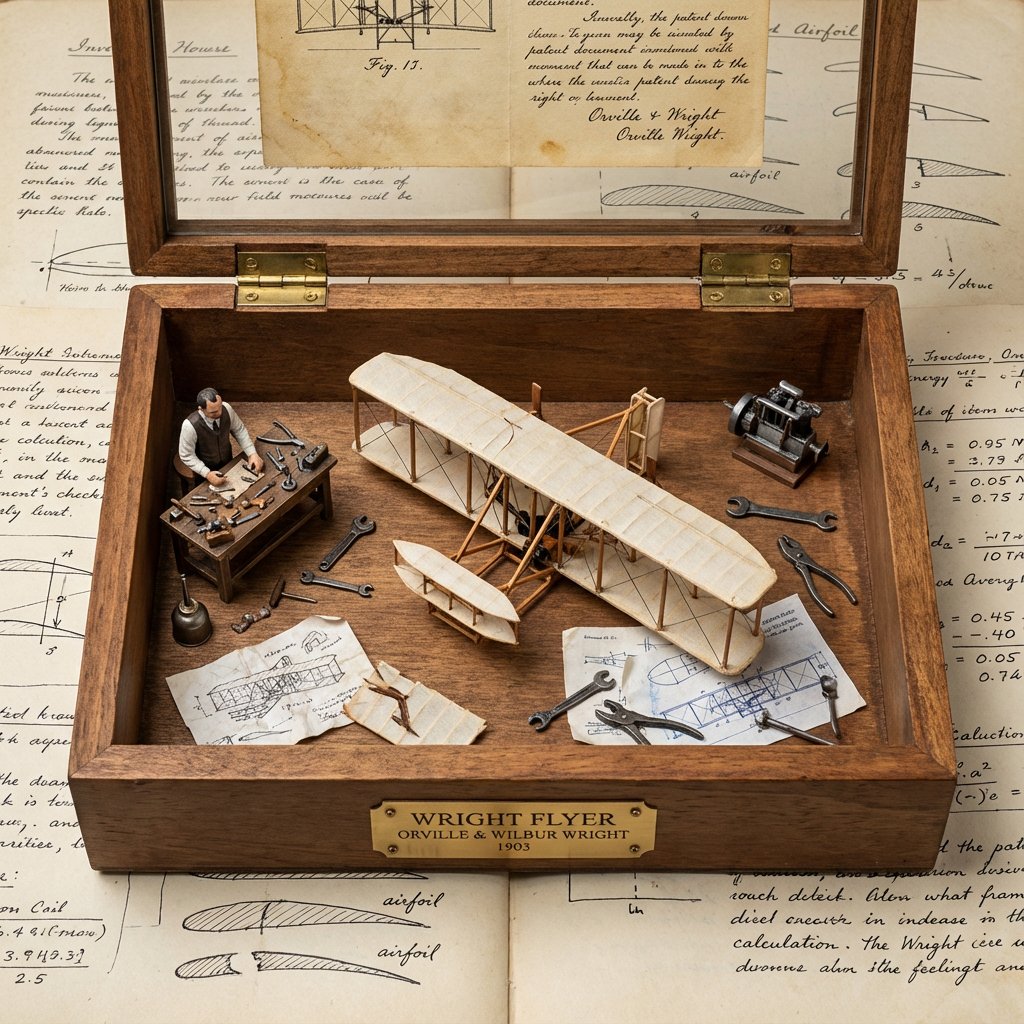
<instruction> Input A is a world-changing invention (photo or invention name). Analyze the inventor, eureka moment, prototype design, and societal impact. Optional Input B is a style reference (patent office / inventor's workshop). If missing, choose steampunk-meets-modern museum aesthetic. Goal: Wooden display box with brass hinges containing the miniature "first prototype" surrounded by inventor's tools, failed attempts, and blueprint fragments. Rules: - Center: tiny working-looking prototype of the invention - Include inventor figurine at miniature workbench - Surround with 10-15 period tools, sketches, failed versions - Add aged paper "patent document" visible through glass top - Materials: dark wood, brass accents, vintage glass - Plaque with invention name, inventor, patent year Output: ONE image, 1:1 inventor's journal aesthetic </instruction>

Knolling Flat Lay Product Photography Prompt (Inventions)

Knolling Flat Lay Product Photography Prompt (Inventions)

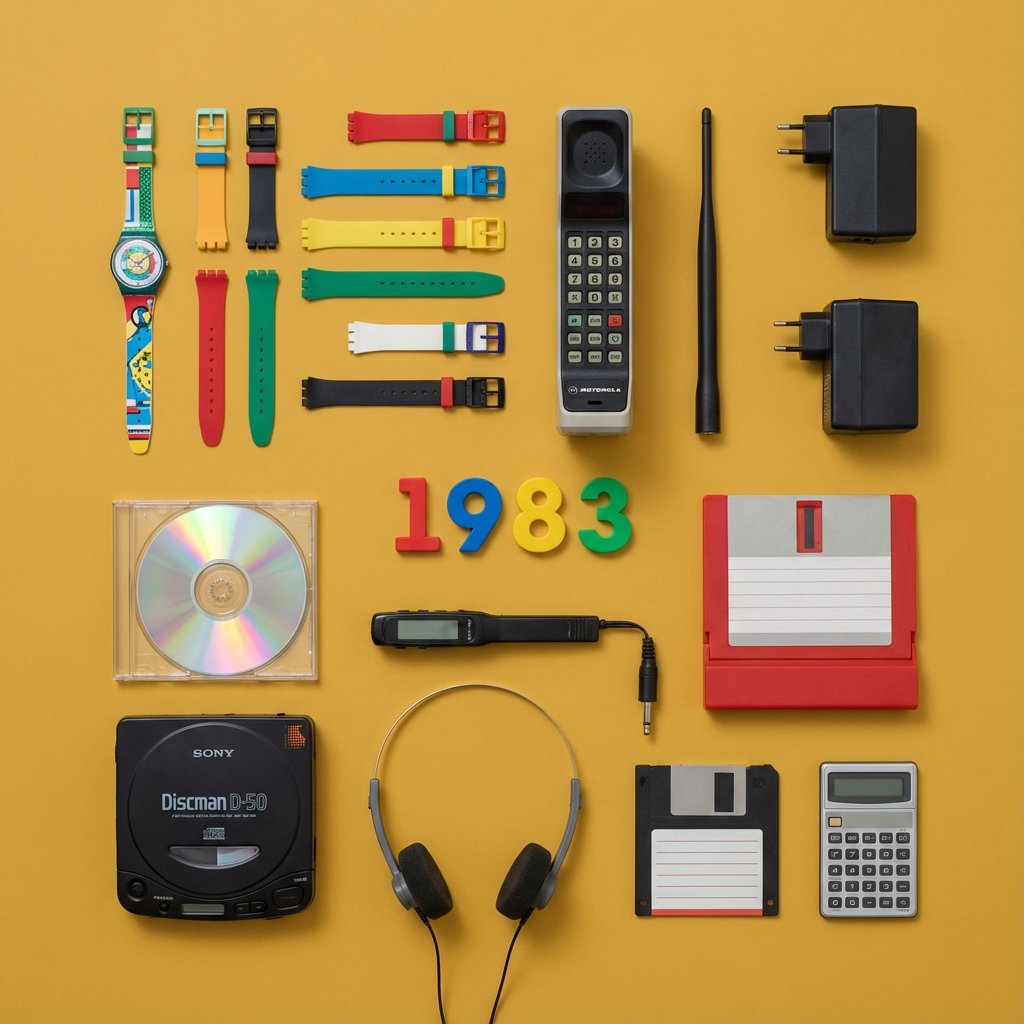
Do this for {argument name="year" default="1983"} > You are a Professional Product Photographer specializing in knolling Flat Lay photography. I will provide a Year or inventor. Step 1: The Selection. > Identify 3 to 5 inventions from that year, plus 5-7 smaller related accessories (e.g., if the invention is a camera, include film rolls; if it's a car part, include a wrench). Step 2: The Layout. Arrange all items on a flat, solid-colored matte background (choose a color that contrasts well with the items). The Grid: Align everything at perfect 90-degree angles. Organize them by size and shape. The Vibe: Deconstructed, organized, satisfying, geometric. The Lighting: Soft, flat, overhead studio lighting (shadowless). Output: A single 4:5 image. The Year (e.g., "1955") should be arranged using physical typography (like metal letters or cut paper) placed in the center of the grid. Style: Wes Anderson symmetry, high-end commercial advertising, vibrant.

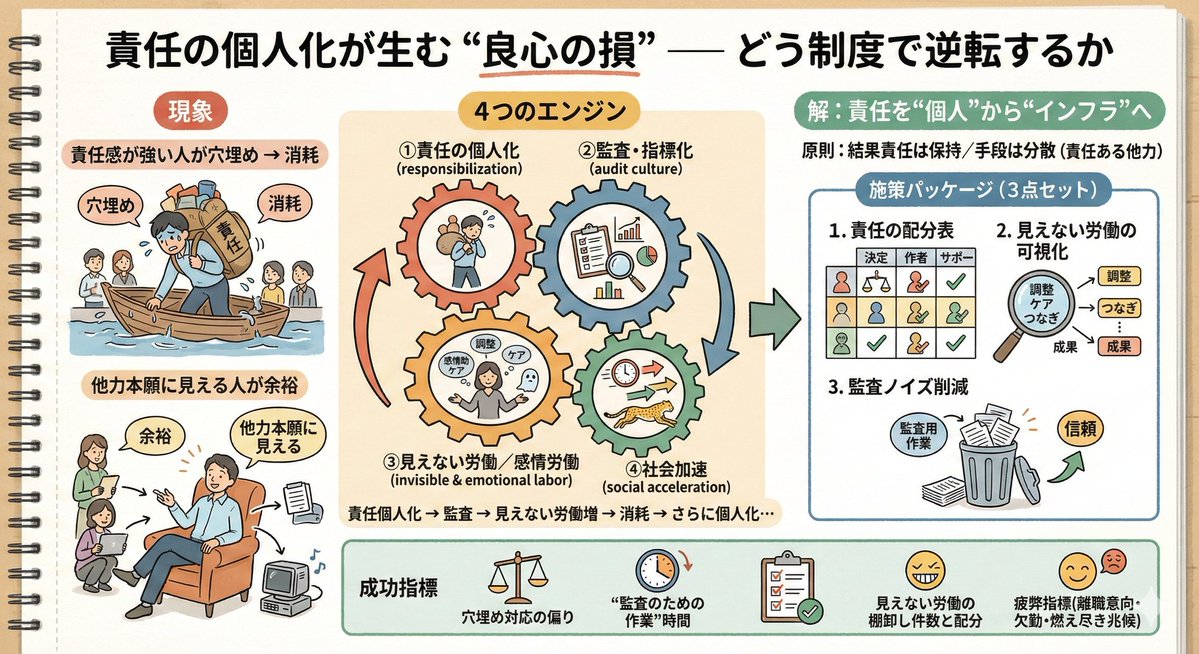
Detailed Japanese Graphic Recording Summary

Detailed Japanese Graphic Recording Summary

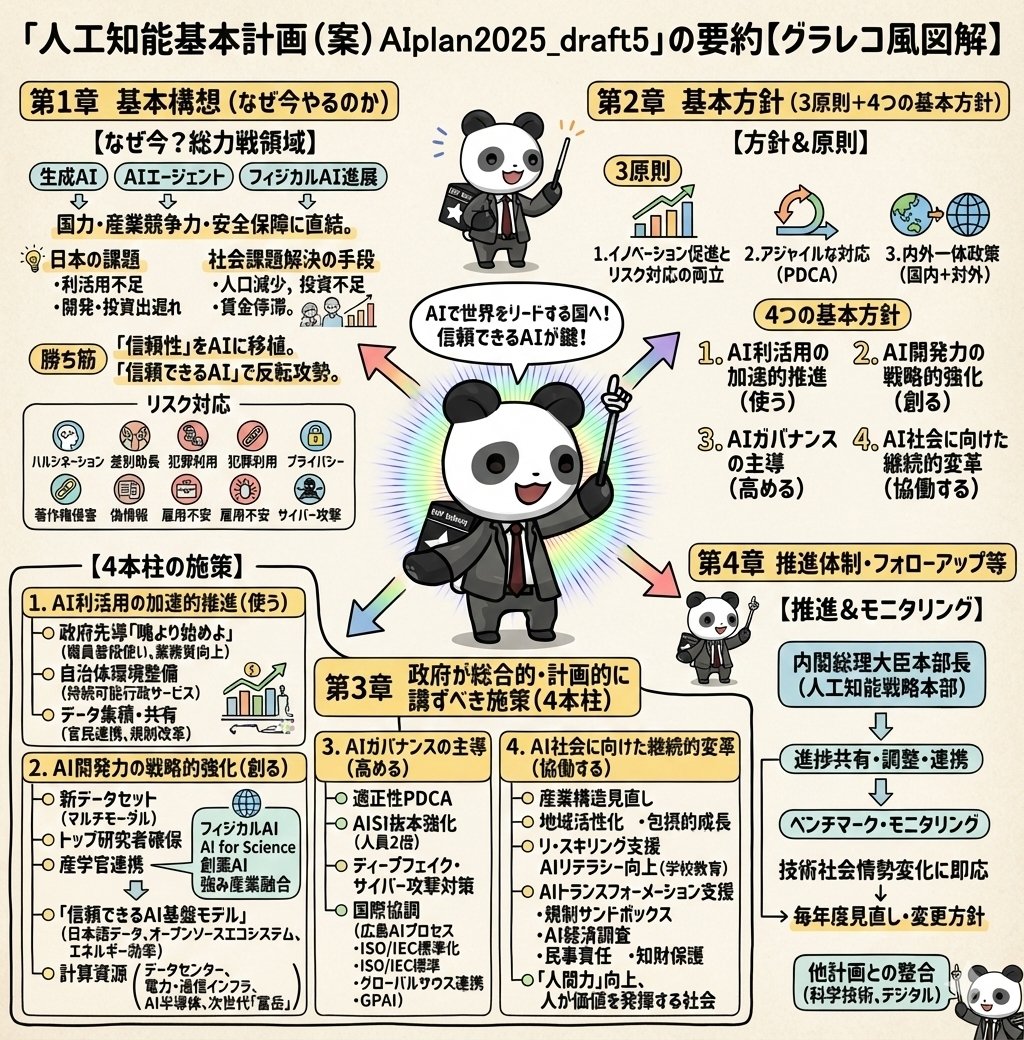
Illustrate this content in detail in Japanese. Make it in a graphic recording style. Make it truly ultra-detailed, even if the text is small. Use the attached image for the character.

Travel Itinerary Illustration Generation Prompt

Travel Itinerary Illustration Generation Prompt

Generate an illustration image in the style of a travel itinerary according to the following requirements. ## 1. Input Settings ** (Please rewrite this section. If left blank, it will be treated as "Leave it to AI")** - **Character Features**: {argument name="Character Features" default="A girl with brown short hair, wearing a black cloak"} - **Name (for Title)**: {argument name="Name for Title" default="Complete Guide to the Donut Museum!"} - **Tourist Destination**: {argument name="Tourist Destination" default="Donut Museum"} - **Schedule**: [ Format: "Time : Place/Action : Short Comment (Situation or Feeling at the time)" ] - **Packing List**: ## 2. Image Generation Specifications You are an illustrator for a travel magazine. Based on the settings above, draw one "hand-drawn travel itinerary" in the following style. **【Style and Composition】** - **Aspect Ratio**: Vertical (Vertical format close to A4 paper ratio) - **Background**: Graph paper (grid notebook) texture. - **Art Style**: Warm, hand-drawn style illustration like the reference image (watercolor, marker, colored pencil touch). - **Layout**: - Place the title prominently at the top. - Timeline composition connected by arrows flowing from the top left to the bottom right. - Memo illustration of the "Packing List" in the bottom right or an empty space. **【Content and Comment Reflection】** - Draw each item in the specified "Schedule" as **5-6 small cut illustrations**. - Maintain **character consistency**. - **Comment Reflection**: - Reflect the content of the "Short Comment" in the schedule in the character's **expression and pose** (e.g., if "delicious," the cheeks should be relaxed; if "excited," the eyes should sparkle). - Place a **handwritten-style text space (like a speech bubble, sign, or writing in the margin)** next to or below each panel for the comment. - *The text in the image must be accurate Japanese. Use a font that looks like handwritten notes.* **【Decoration】** - Overall cheerful and pop atmosphere. - Decorate with masking tape, stamps, handwritten arrows, and musical note marks.

Culinary Periodic Table Display Board Generator

Culinary Periodic Table Display Board Generator

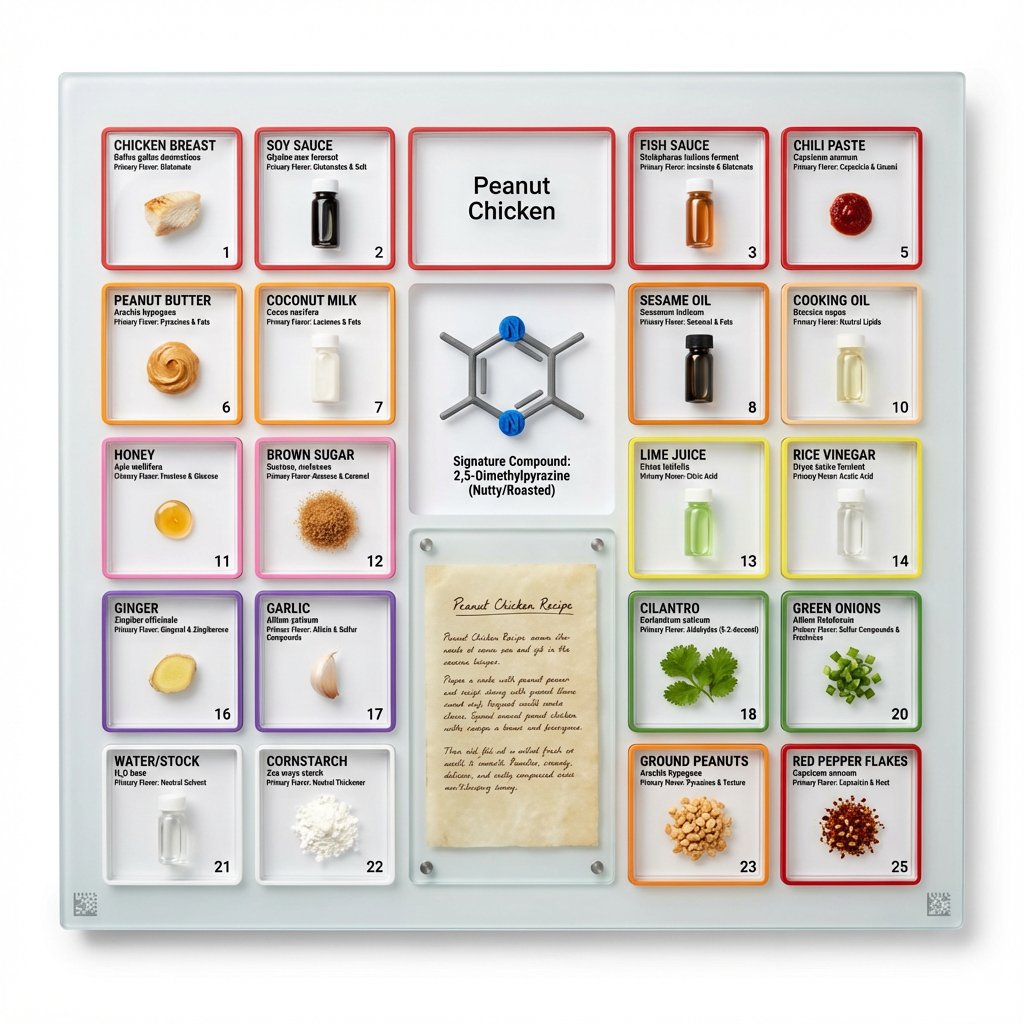
<instruction> Input A is a famous dish (photo or dish name). Analyze the dish's complete ingredient breakdown, primary flavor compounds, chemical interactions, and scientific basis for why ingredients work together. Optional Input B is a style reference (laboratory equipment / tech product packaging). If missing, choose scientific periodic table meets Apple product design aesthetic. Goal: Grid-format display board (20"x16") in periodic table structure, with each ingredient in its own compartment labeled with both culinary and scientific information, color-coded by flavor profile. Rules: Brushed aluminum, white acrylic, or frosted glass backing 20-30 small clear compartments in periodic table grid layout Each compartment contains: ingredient specimen, common name, scientific name, primary flavor molecule Color-coded borders: umami (red), sweet (pink), sour (yellow), bitter (green), fat (orange), aromatic (purple) Center "legend" section: 3D molecular structure diagram of signature compound Lower corner: actual handwritten recipe on aged vellum or parchment under glass AR markers for scanning to see animated 3D molecule models Clean sans-serif typography (like Helvetica or Futura) Minimal design with generous white space Include atomic-style "numbers" for each ingredient showing ratio/importance Output: ONE image, 4:5 clean product photography style with soft shadows on pure white background </instruction>
Japanese Text and Layout Comparison Prompt (3-Panel Manga)

Japanese Text and Layout Comparison Prompt (3-Panel Manga)

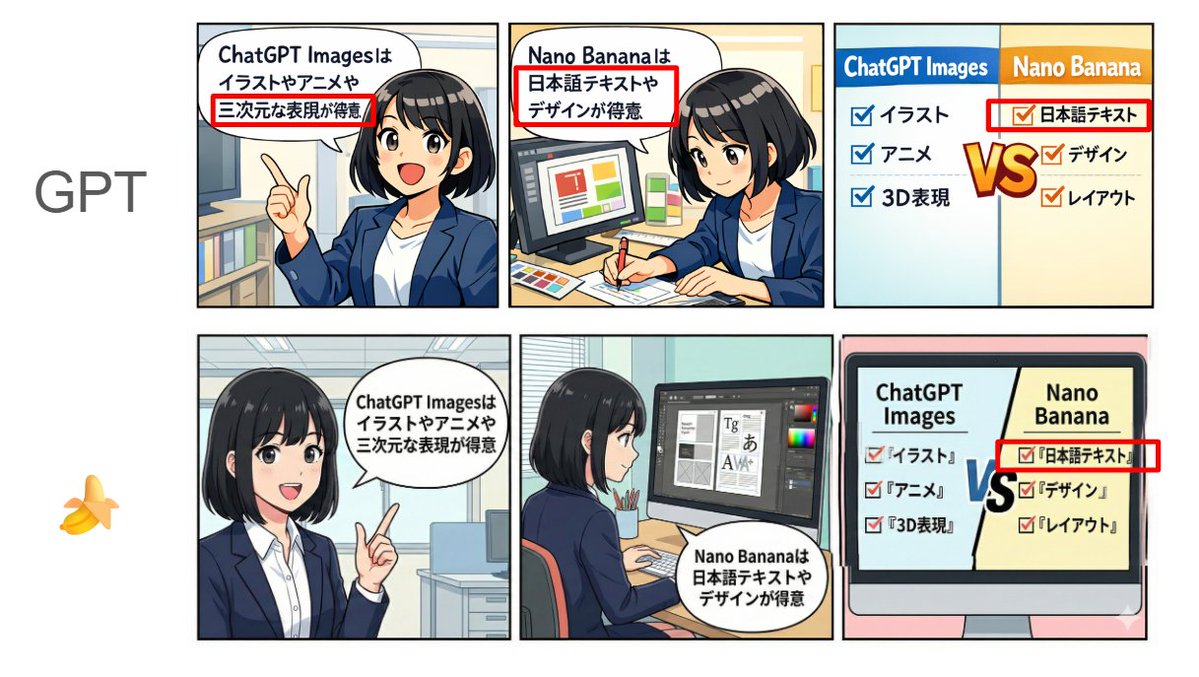
[Format] Horizontal 3-panel manga (left to right). Anime style + pop. Bright color scheme. Clean lines. Simple office background. [Characters] Emma (20s female, black bob, white shirt + navy jacket, expressive face). Consistent appearance across all panels. [Text] Japanese text displayed clearly and legibly. No typos, garbled characters, or broken text. Use the following text in the speech bubbles "exactly as written": Panel 1 (Left): Emma is explaining while pointing. Speech bubble text (exact match): "{argument name="Panel 1 Text" default="ChatGPT Images is good at illustrations, anime, and 3D expressions"}" Panel 2 (Center): Emma is doing design work (layout and typesetting). Speech bubble text (exact match): "{argument name="Panel 2 Text" default="Nano Banana is good at Japanese text and design"}" Panel 3 (Right): Comparison panel. Split the screen left/right, with headings "ChatGPT Images" on the left and "Nano Banana" on the right. Include checklists for each (in Japanese, short, and readable). Left (ChatGPT Images): 'Illustration', 'Anime', '3D Expression' Right (Nano Banana): 'Japanese Text', 'Design', 'Layout' Also, place a large "VS" in the center to compare the two compositions. [NG] No unnecessary text, arbitrary English additions, watermarks, signatures, unreadable text, or broken Japanese. [Image Quality] High resolution, sharp, suitable for SNS posting.

Profile URL to Magazine Infographic Prompt

Profile URL to Magazine Infographic Prompt

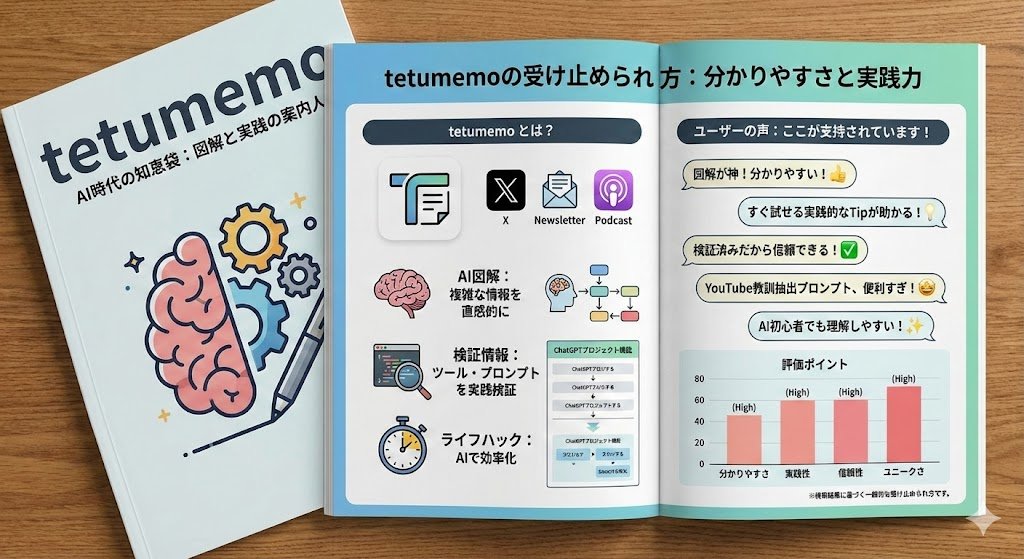
Use search to find out how {argument name="username" default="tetumemo"} ({argument name="profile URL" default="https://t.co/XcPInQDrVZ"}) is perceived. Based on this information, draw a short, simple, two-page infographic about it (with headlines). Return a photo of the article published in a glossy magazine. Show ({argument name="username" default="tetumemo"}) on the magazine cover and display the two-page spread infographic about {argument name="username" default="tetumemo"}.

20-Panel Cartoon Robot Drawing Guide Prompt

20-Panel Cartoon Robot Drawing Guide Prompt

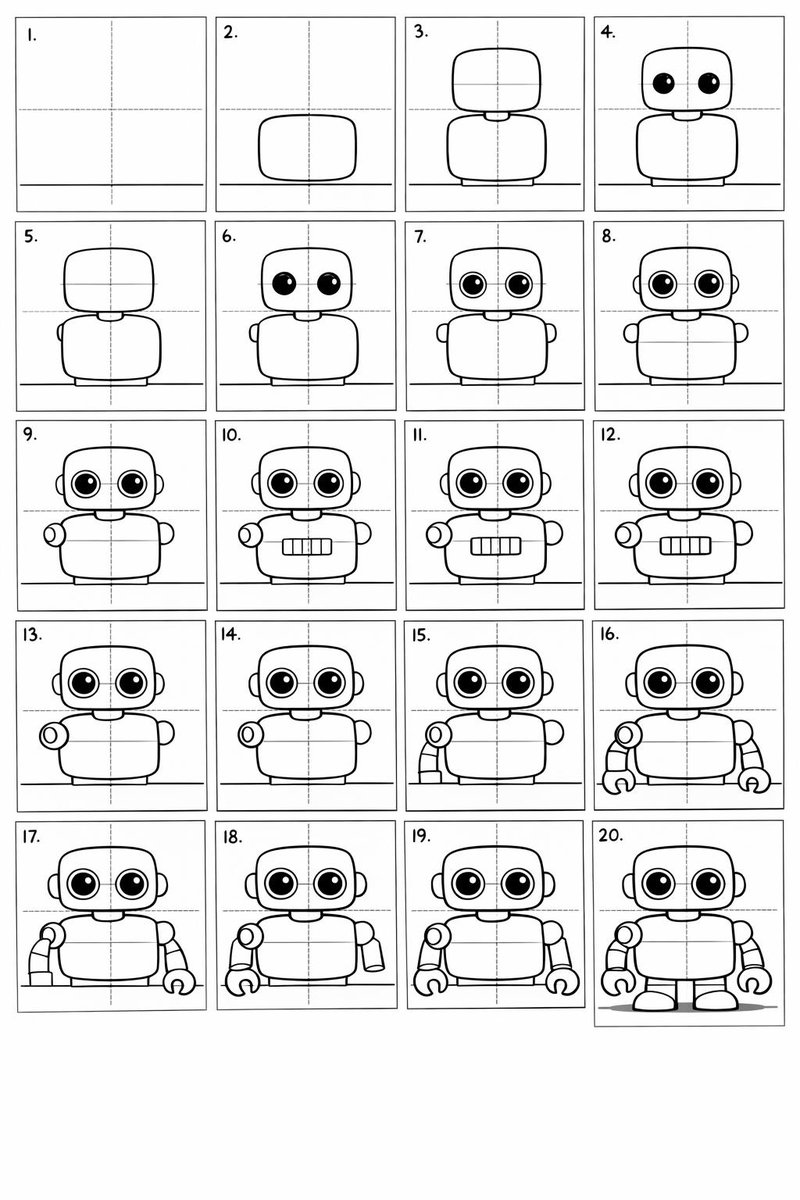
Create a 20-panel layout guide for drawing a cute cartoon robot. Each panel keeps everything from before and adds one clear change. 1. Light guide lines: vertical center, horizontal center, and a ground line. 2. Add torso: rounded rectangle above the ground. 3. Add torso centerline. 4. Add head: smaller rounded square above torso. 5. Add neck connector: short rounded block. 6. Add left eye circle. 7. Add right eye circle. 8. Add pupils inside both eyes. 9. Add thin rim rings around both eyes. 10. Add mouth rectangle below eyes. 11. Add evenly spaced vertical slats in the mouth. 12. Add left shoulder joint circle on torso side. 13. Add right shoulder joint circle. 14. Add left upper arm cylinder from left shoulder. 15. Add left elbow circle and left forearm cylinder. 16. Add left claw hand (base curve + two prongs). 17. Add right upper arm cylinder from right shoulder. 18. Add right elbow circle and right forearm cylinder. 19. Add right claw hand to match left. 20. Add legs and feet as simple blocks: two short legs from torso bottom and two rounded trapezoid feet, plus a small ground shadow.

Cinematic 3x3 Workout Contact Sheet Generation Prompt

Cinematic 3x3 Workout Contact Sheet Generation Prompt

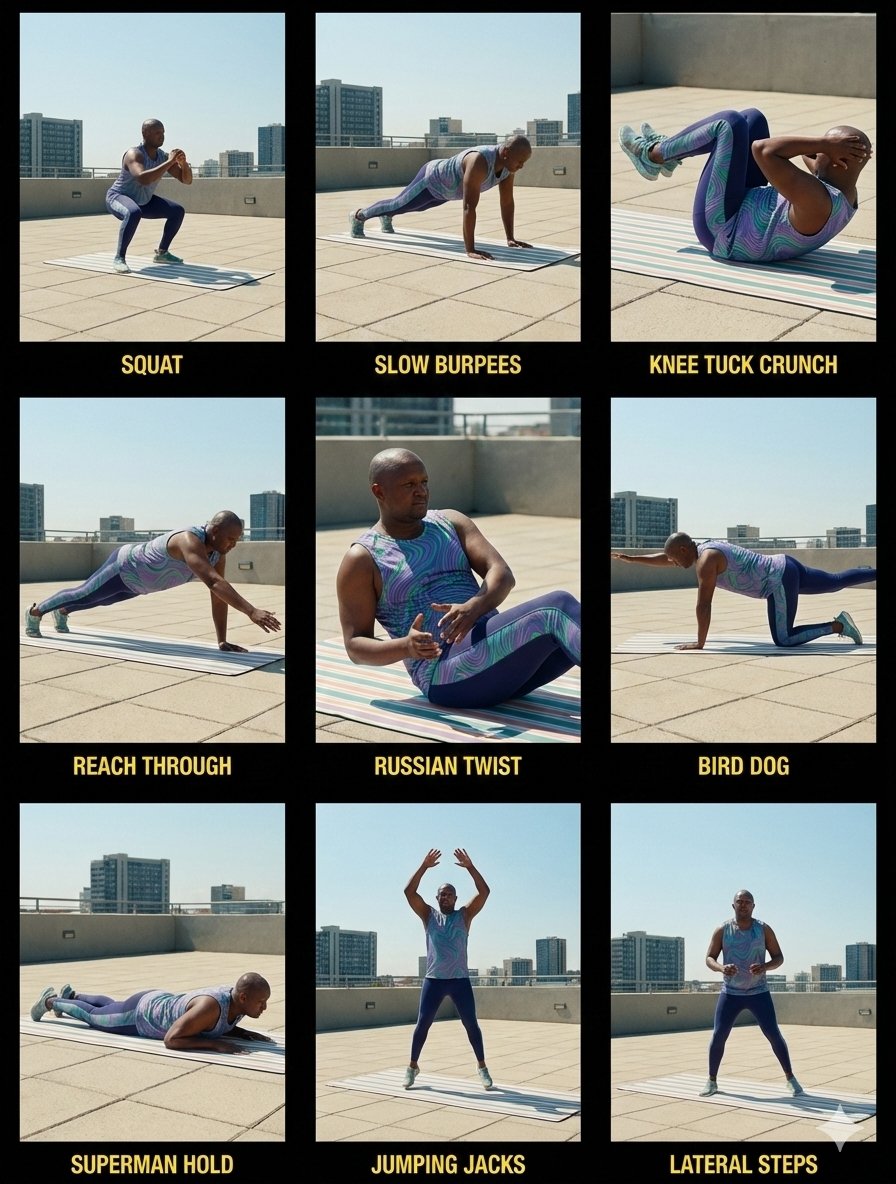
Create a cinematic 3×3 contact sheet from the uploaded image. Keep the same athlete, face, body proportions, workout lingerie, workout mat, and workout location across all nine frames. Update the environment to an outdoor setting. Set time of day to midday with natural overhead sunlight. The workout mat stays identical in color, position, texture, and orientation in every frame. Use a mix of wide shots and close-up shots. Apply consistent cinematic color grading, soft contrast, and film-style lighting adapted to bright midday conditions. Every frame appears as a film still from the same outdoor workout session. Environment details • Outdoor location such as {argument name="outdoor location" default="rooftop, park, terrace, or open concrete space"} • Clear midday sky • Bright natural light from above • Soft natural shadows under the athlete • No background changes between frames Workout lingerie details • Fitted sleeveless workout top • High-waist compression leggings • Seamless matte athletic fabric • Wavy {argument name="lingerie pattern color" default="purple, green, and blue"} pattern • Practical training-focused fit • Lightweight workout shoes • Stable sole for balance For each cell • Show the correct exercise pose matching the workout label • Add a workout exercise label at the top left • Match label text exactly to the exercise shown • Place text on a solid black background • Keep a clear margin from the image edge • Add padding inside the label • Use a small corner radius • Use clean sans-serif text in white • Keep label size consistent across all cells • Add a 1px solid black border around each cell Top row • Squat, athlete performing a squat • Slow Burpees, athlete mid controlled burpee • Knee Tuck Crunch, athlete performing knee tuck crunch Middle row • Reach Through, athlete performing reach through • Russian Twist, athlete seated performing Russian twist • Bird Dog, athlete performing bird dog on the mat Bottom row • Superman Hold, athlete holding superman position • Jumping Jacks, athlete mid jumping jack • Lateral Steps, athlete performing lateral side steps Rules • No identity change • Same workout lingerie across all frames • Same workout mat across all frames • No body shape change • Outdoor location stays consistent • No added equipment • Same lighting direction across all frames • Film still style, no collage

Calculus Symbols as Futuristic Architecture

Calculus Symbols as Futuristic Architecture

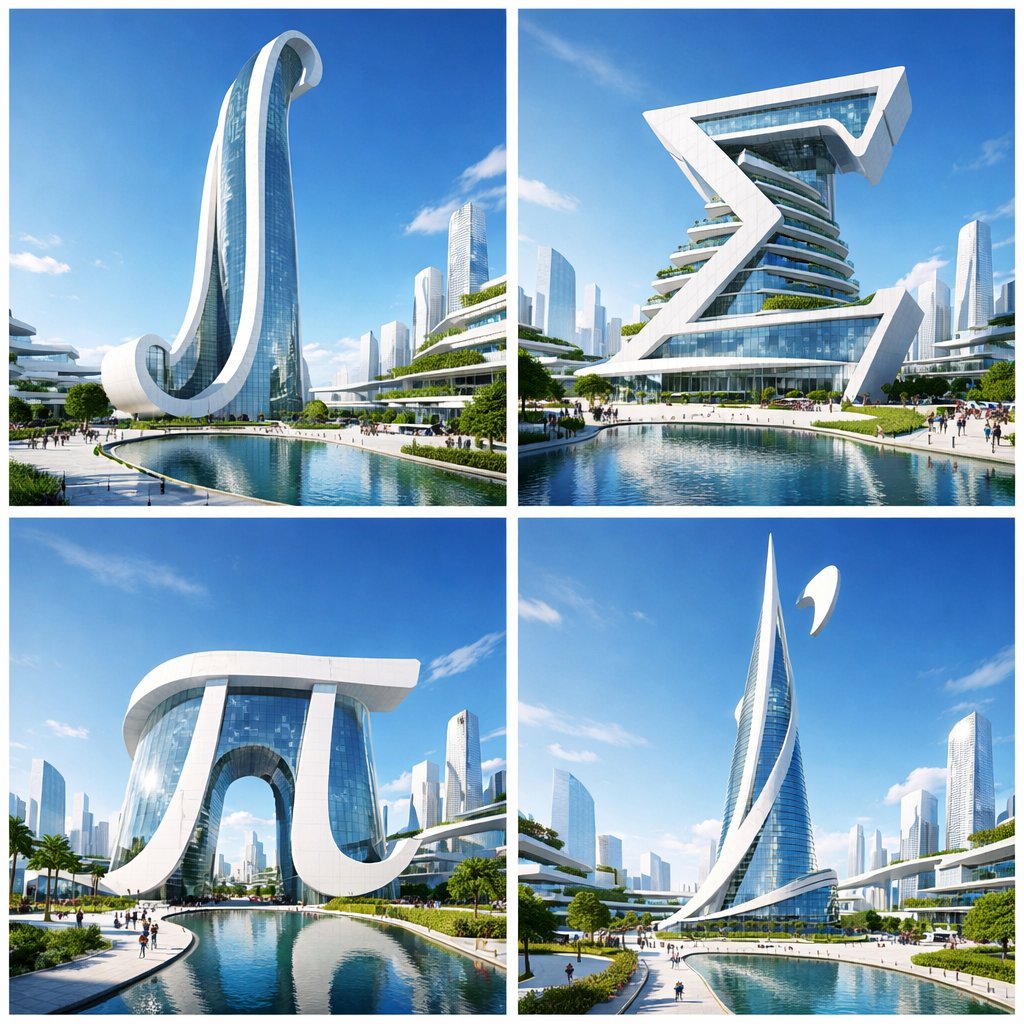
A 2x2 grid of 4 futuristic architectural landmarks based on important calculus symbols, Set in a utopian solarpunk city, bright midday sunlight, clean white materials, glass and steel, cyan sky, architectural photography, Lumion render, wide angle, high exposure, sense of scale

Surreal Diorama and Don Quixote Miniature Prompts

Surreal Diorama and Don Quixote Miniature Prompts

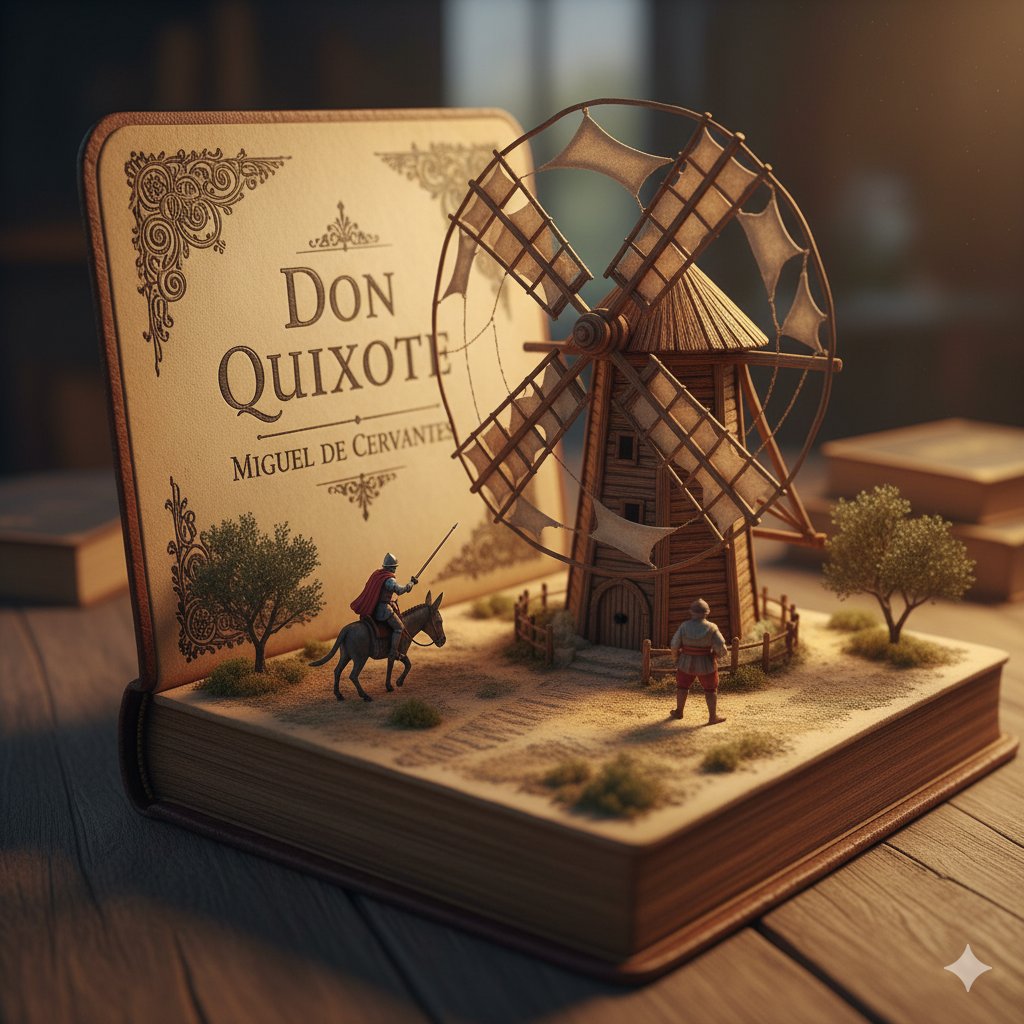
1. Surreal diorama emerging from an open vintage book of "{argument name="book title 1" default="Brave New World"}" by {argument name="author 1" default="Aldous Huxley"}: the pages form a futuristic hatching laboratory with rows of glowing test tubes containing embryonic figures on conveyor belts, lab-coated workers in white uniforms operating machines, a large all-seeing eye symbol on the wall, conveyor belts moving via hidden mechanisms, cool blue neon lighting, hyper-detailed miniature sculpture, clinical and eerie atmosphere, photorealistic. 2. Detailed miniature diorama in an open aged book for "{argument name="book title 2" default="Don Quixote"}" by {argument name="author 2" default="Cervantes"}: left page with "{argument name="engraving text" default="DON QUIXOTE"}" engraved, right pages sculpted into a Spanish landscape with a massive wooden windmill turning slowly, tiny knight on horseback charging with lance raised, Sancho Panza on donkey following, dusty plains and gears for windmill blades, warm golden hour lighting, hyper-realistic handcrafted sculpture, whimsical yet epic scale.

Some prompts are collected from creators on X. Copyright belongs to the original authors.