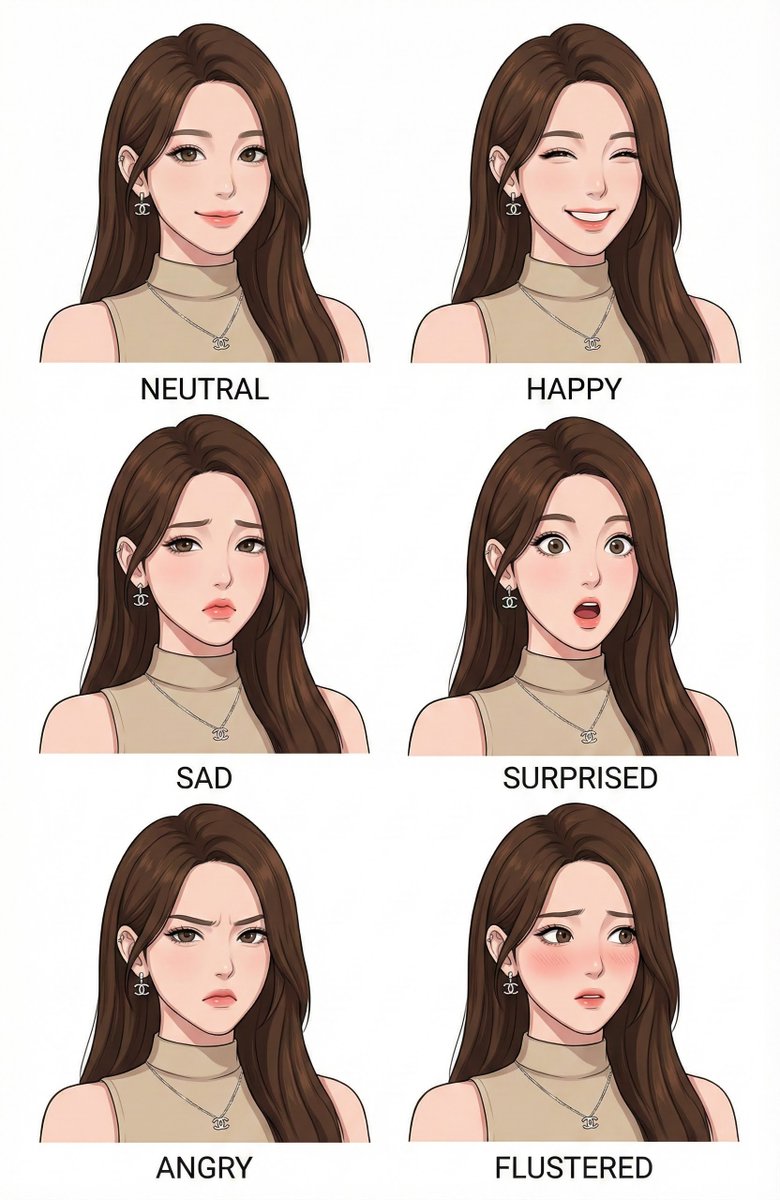
Character Design Expression Style Guide Prompt
Make a character design expression style guide of image
Prompt Library
Curated image, video and web design prompts from creators around the world. Copy any prompt, swap the subject or style, and generate with the latest models.
15,630 prompts · Updated daily · 100% free
702 prompts
Make a character design expression style guide of image
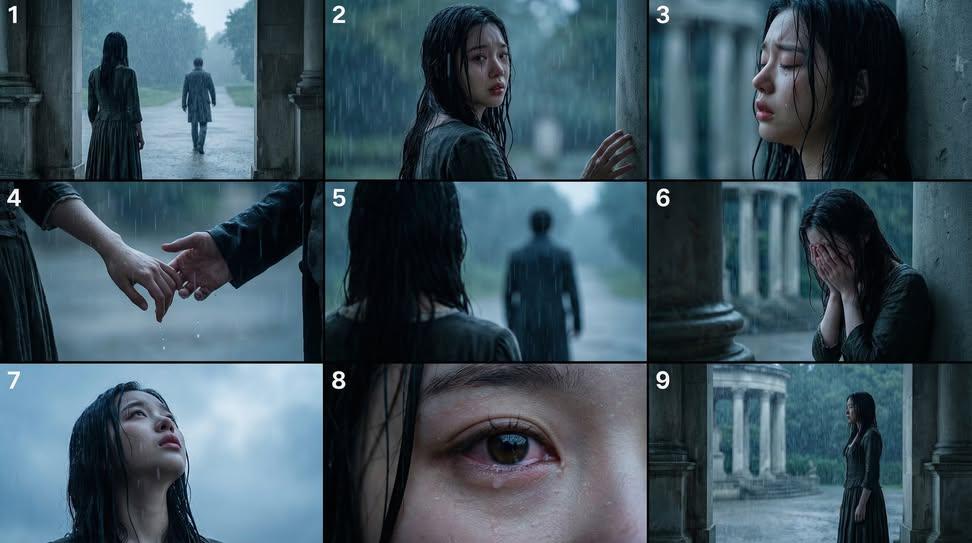
Create a 9-panel cinematic storyboard set in a rainy, melancholic atmosphere. Show a young woman in a soaked dress standing beneath stone arches as a man walks away into the rain. Include close-ups of her emotional expression, a moment of their hands parting, shots of her crying against a pillar, and a final wide shot of her standing alone. Use soft, moody lighting, blue-gray tones, shallow depth of field, and dramatic raindrops. Panels should feel emotional, poetic, and film-like
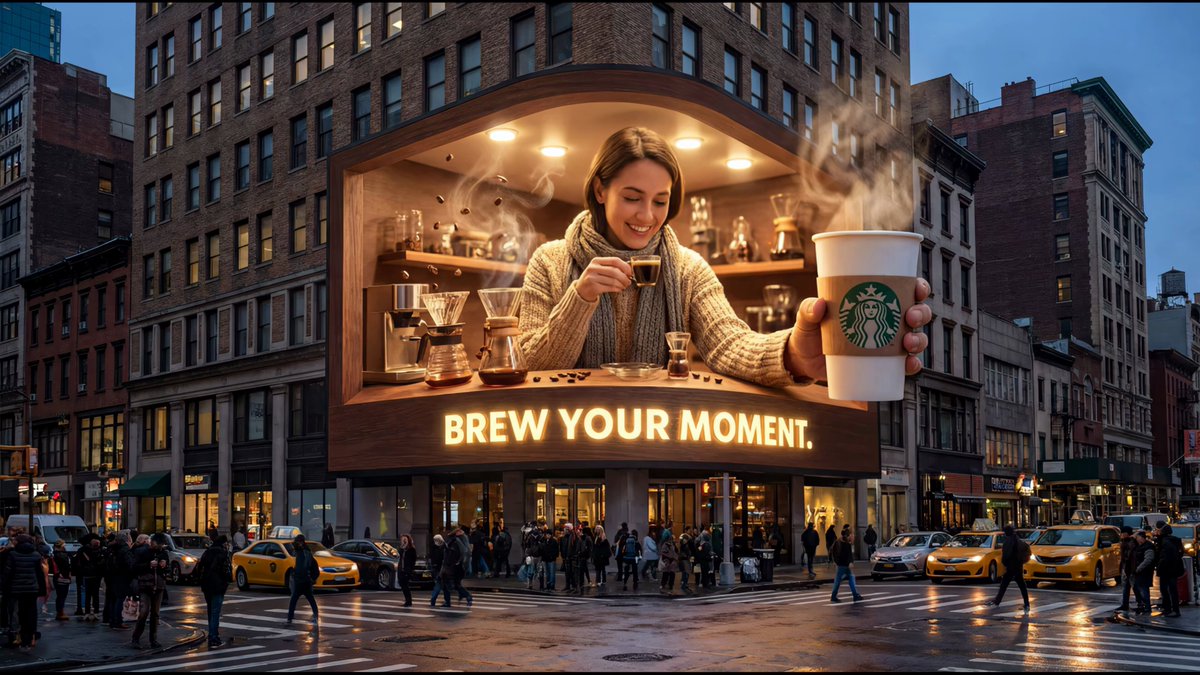
A single coffee shot turned into a tiny cinematic disaster.
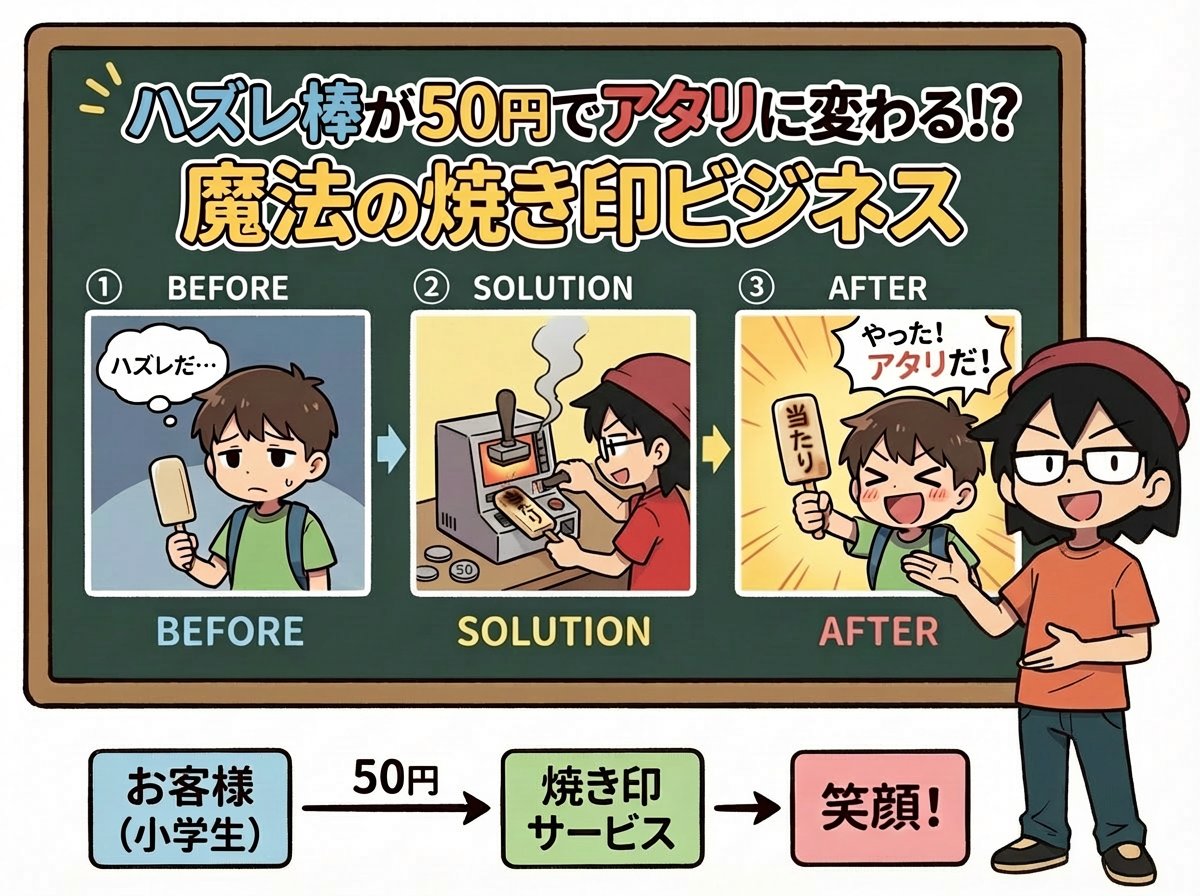
A business where you put a winning brand mark on a child's losing ice cream stick for 50 yen, comforting the child who is grieving while holding the stick.
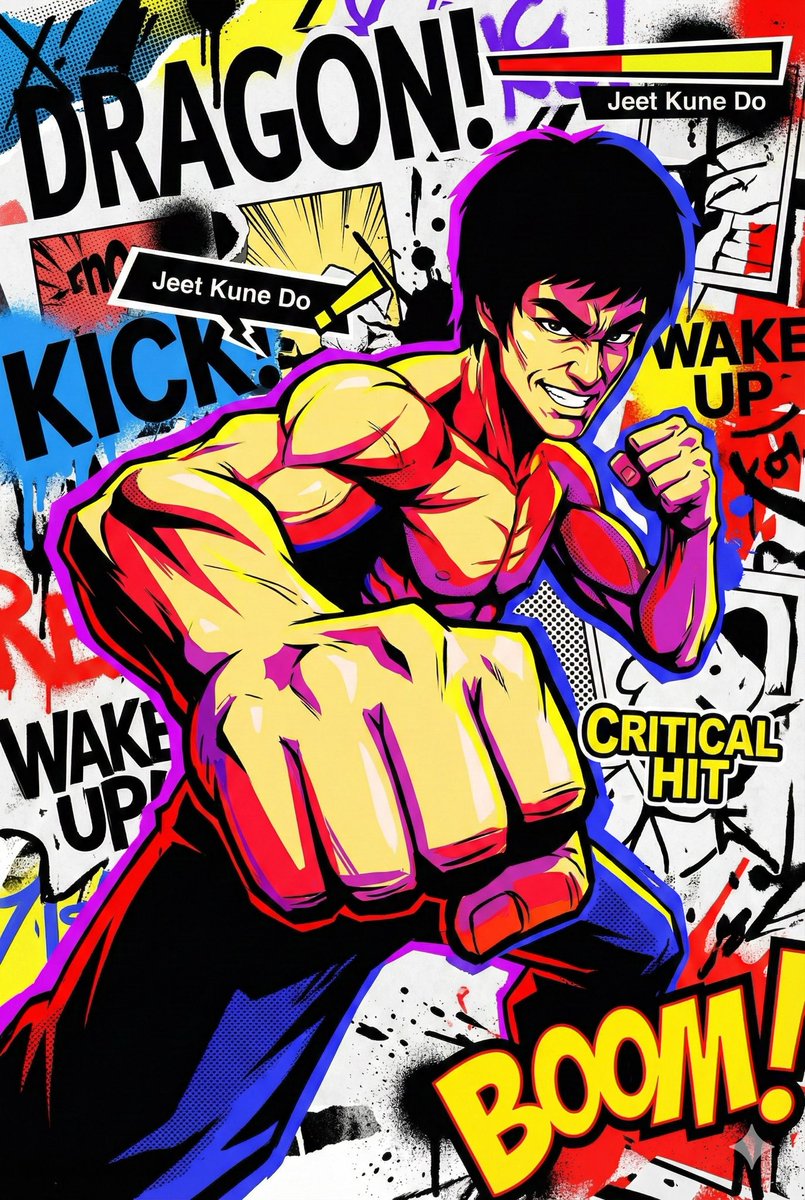
Generate a visually explosive and trendy pop-art anime illustration. The main character of the image is "{argument name="character" default="an over-the-top chuunibyou knight"}", and the overall style should reference Persona 5 and street graffiti visuals, turning the character into an extremely flamboyant, extremely flat, ultra-cool anime figure. Use sharp cel-shading for the character, with hard, clean lines and crisp contours. The pose must be exaggerated and full of motion. You can use wide-angle or fisheye perspectives so that hands, weapons, or props appear extremely close to the camera, like a freeze-frame at the moment a special attack is unleashed. The expression should be highly dramatic, with confident, manic, or cold-blooded "overacting" intensity, rather than a calm everyday look. Reject realistic volume and shading; instead, rely on large areas of pure black heavy shadows and highly saturated flat color blocks to create an extreme, high-contrast flat look. The main colors can be bright red, lemon yellow, electric blue, neon purple, etc., contrasted against large black shadow silhouettes. Add screentones, halftone dots, speed lines, and radiating lines in the shadows and background so the image feels like printed manga layered with street graffiti. The background does not need realistic perspective space; it should be a flat visual collage stage filled with huge sans-serif English letters, torn paper effects, ink splatters, bold arrow graphics, speech bubbles, and onomatopoeia, such as exaggerated "BOOM", "SLASH", or "WAKE UP" graffiti sound effects. You can integrate UI elements into the scene—health bars, skill names, buttons, numbers, tooltips—floating around the main character, as if the game interface and the illustration have merged, breaking the fourth wall. Keep lighting high-contrast but not physically realistic; think in terms of graphic design areas of black/white/color rather than natural light logic. Edges between color areas on the character and background should be very sharp, without soft gradients; all colors should be clearly separated. You can add rough spray paint, smears, or hand-drawn graffiti textures in select areas to enhance the street and handmade feel. The overall mood must be extremely dynamic, extremely chuunibyou, and extremely cool, as if the image is about to explode out of the screen, not quietly hang in a gallery. Avoid realistic oil painting styles, low-saturation vintage looks, or gentle, soft illustration styles. Do not use natural landscapes or everyday life backgrounds, and avoid soft, pastel color schemes. The image should be a vertical 2:3 high-resolution illustration, suitable as a tension-filled, maximalist pop-art manga poster.
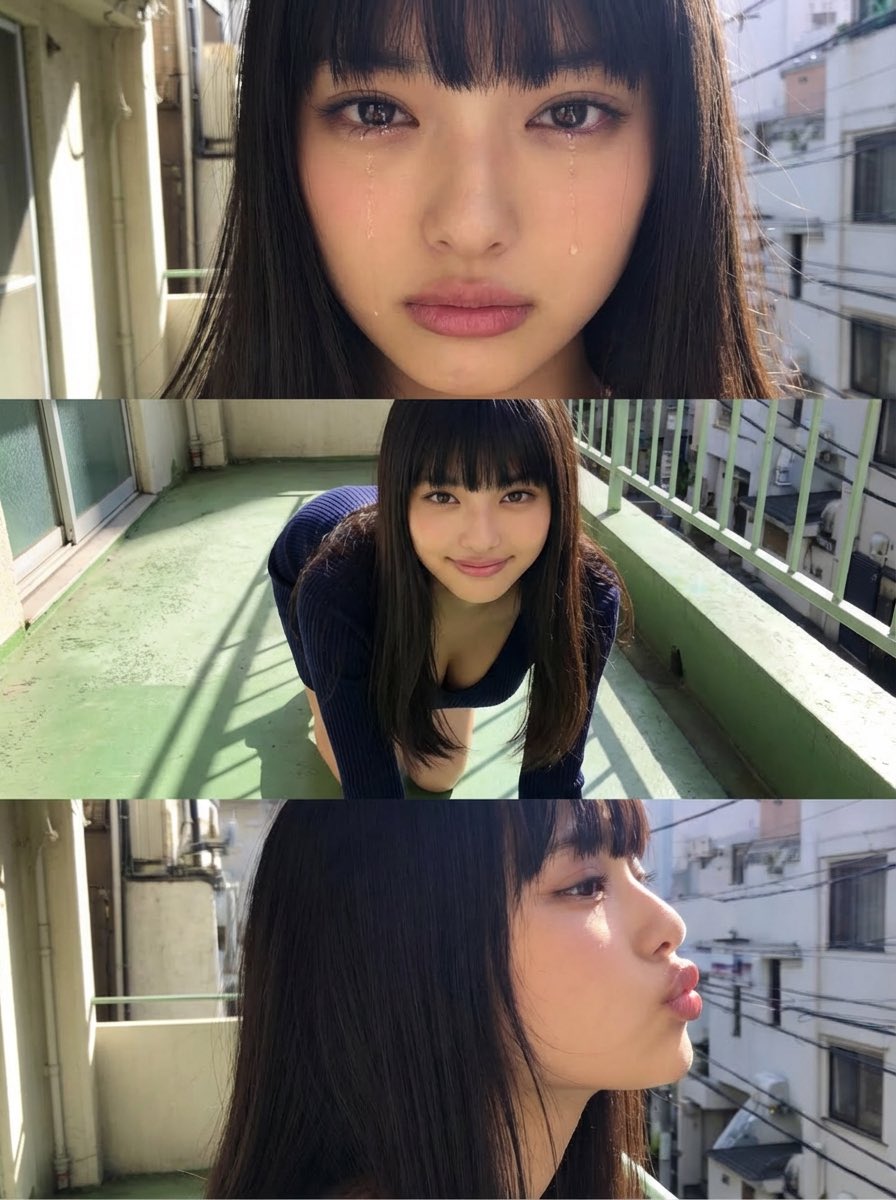
Use the attached image as the base. Do not change the person’s face, hairstyle, clothing, or body proportions. Generate a horizontal three-panel composition (top / middle / bottom). Top panel: Close-up showing only the eyes and mouth. Emotion: {argument name="top panel emotion" default="tearful, choked up, slightly crying"} Middle panel: On all fours. Gentle smile. Looking straight at the camera. Bottom panel: Side-face close-up from head to neck. {argument name="bottom panel expression and action" default="pouting lips, as if about to give a kiss"}
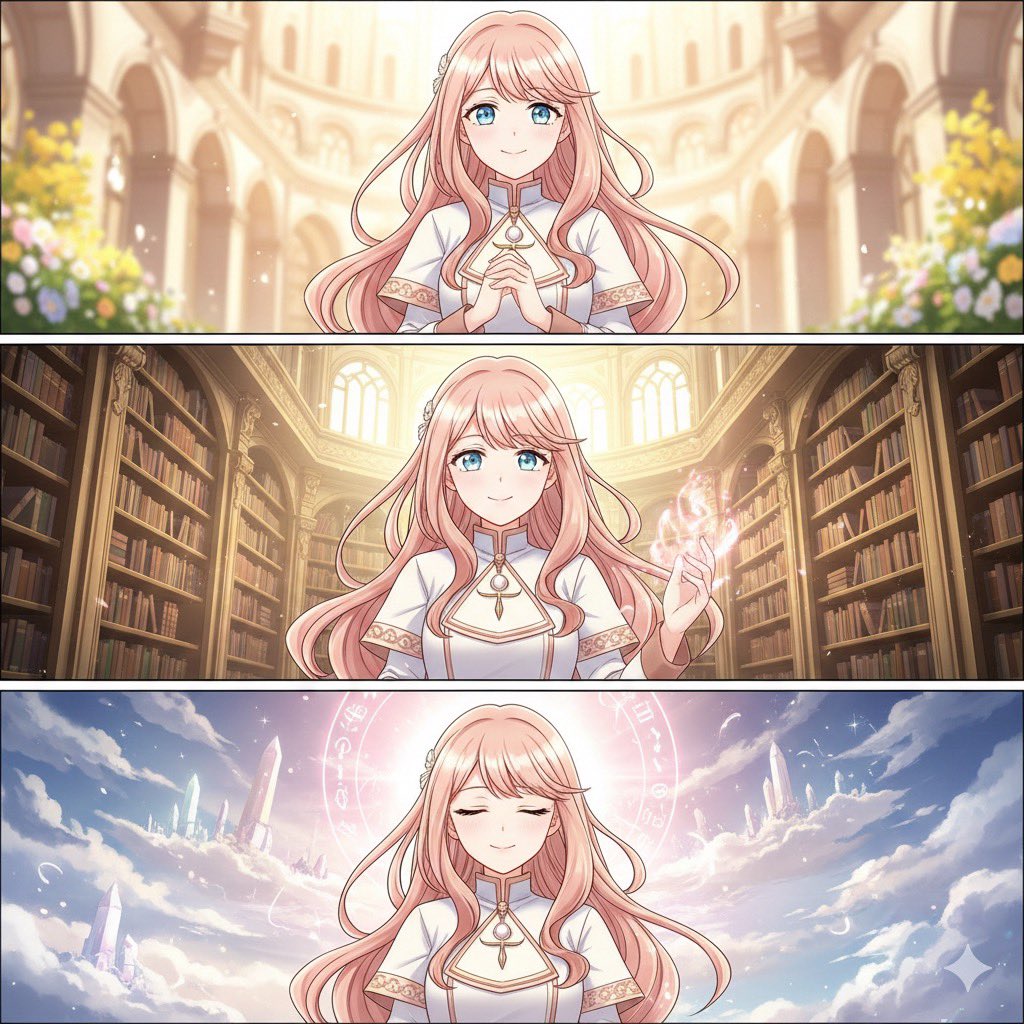
Rorona-style girl, {argument name="age range" default="18-20 years old"}, {argument name="hair description" default="soft pink-gold long wavy hair"}, {argument name="eyes and face" default="large gentle eyes, slightly round face"}, {argument name="skin" default="fair bright skin"}, {argument name="outfit" default="light magical-academy outfit in white and pink-gold accents"}, {argument name="outfit details" default="delicate gold patterns, thin pendant, small waist pouch"}, {argument name="atmosphere" default="elegant and soft atmosphere"}, expressions: {argument name="expressions" default="warm smile / calm confidence / spiritual clarity"}, consistent character, same face every frame, {argument name="line art style" default="thin line art"}, {argument name="rendering style" default="webtoon style"}, {argument name="shading" default="soft gradients"}, {argument name="detail level" default="high detail"}, {argument name="overall style" default="Japanese fantasy modern style"}, {argument name="color tone" default="clean and bright color tone"}
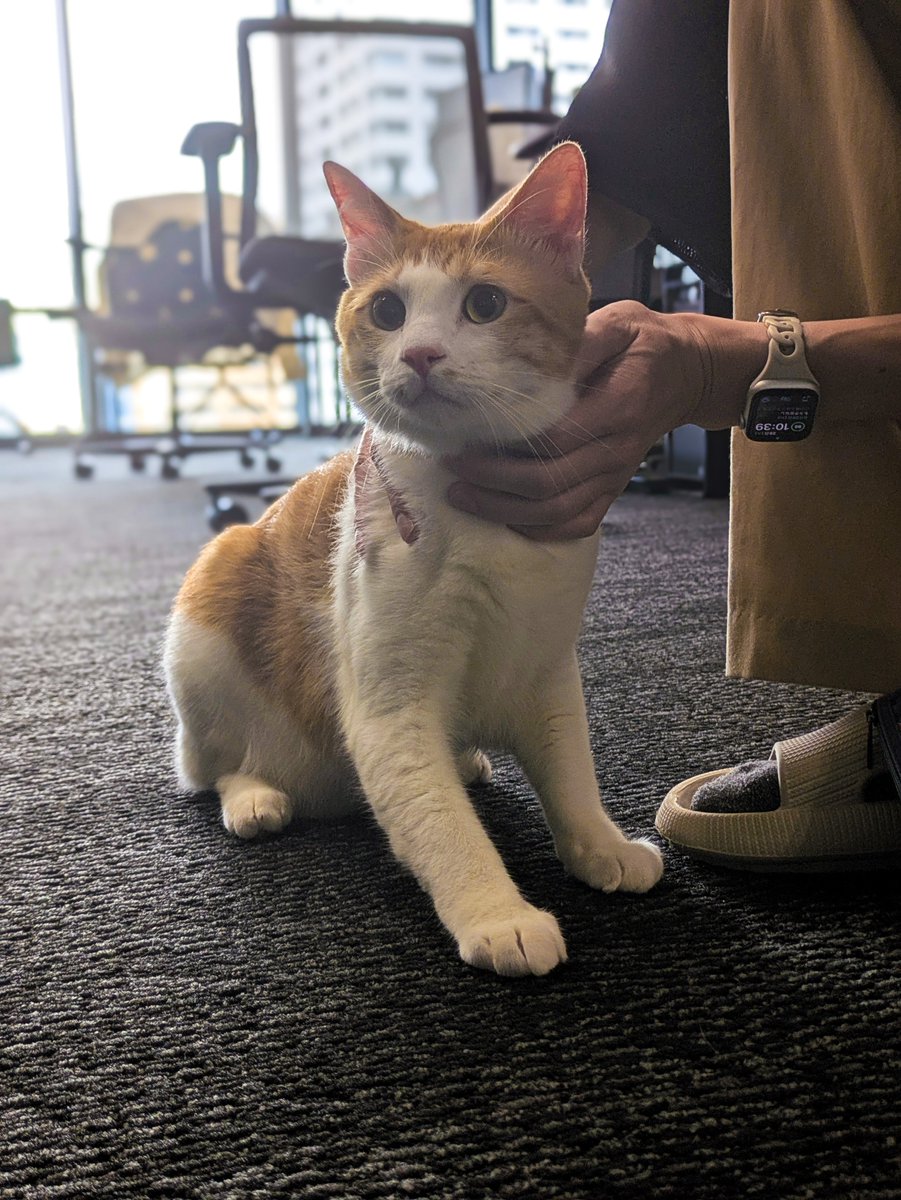
Based on the uploaded image, create a sequence of black-and-white storyboard frames that depict the core scenes of the story. In each frame, describe the following elements in detail to express the emotional flow and tension of the story: Around four panels in total.
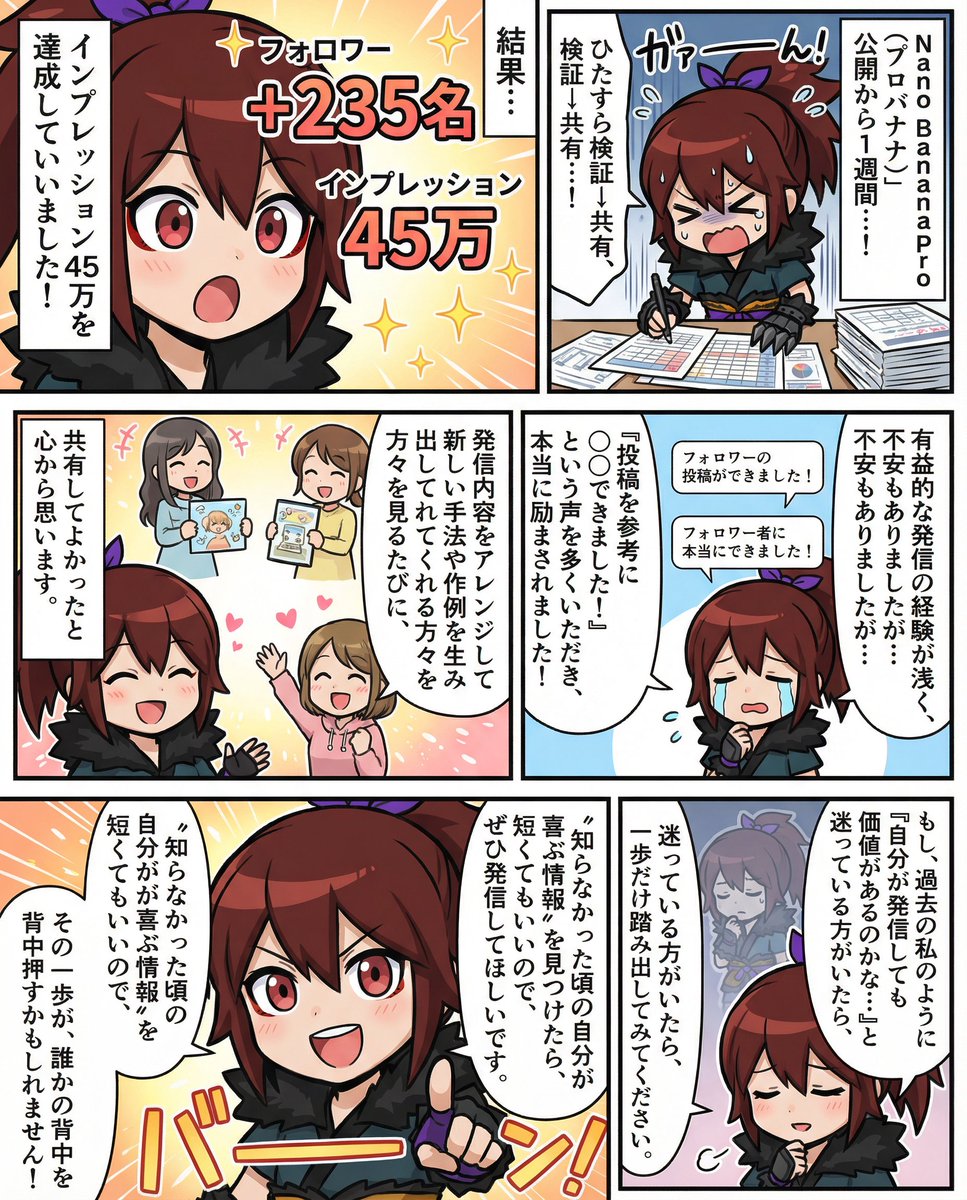
Using the attached character, please generate a manga that emphasizes a moe-style illustration, direction, and facial expressions. As a Japanese manga format, make the panel layout such that it can be read naturally from right to left and from top to bottom. The placement and shapes of the panels are free, but the flow of the reader’s gaze must follow the Japanese reading order. Instead of a uniform layout, please use an irregular or freely arranged panel structure. Be sure to generate it as a full-color manga. "One week since the release of Nano Banana Pro (Probanana). After continuing to test and share relentlessly… I had gained +235 followers and reached 450,000 impressions! I didn’t have much experience in sharing helpful content, so I was anxious, but I received many comments like ‘Thanks to your posts, I was able to do XX!’, which really encouraged me. Every time I see people arranging the content I’ve shared to create new methods and examples, I truly feel glad that I shared it. If, like my past self, you are wondering, ‘Is there any value in me sharing things?’, please take just one step forward. When you find information that would make your past self who didn’t know about it happy, even a short post is fine, so please share it. That one step might give someone else the push they need." Prohibited: ・Layouts that read left→right or bottom→top ・Arrangements that make the character look like a different person ・Replacing the traits of the reference character with those of other characters ・Using English, or horizontal writing for speech lines ・Changing colors or outfits, or outputting in monochrome, black and white, line art only, tone only, or grayscale
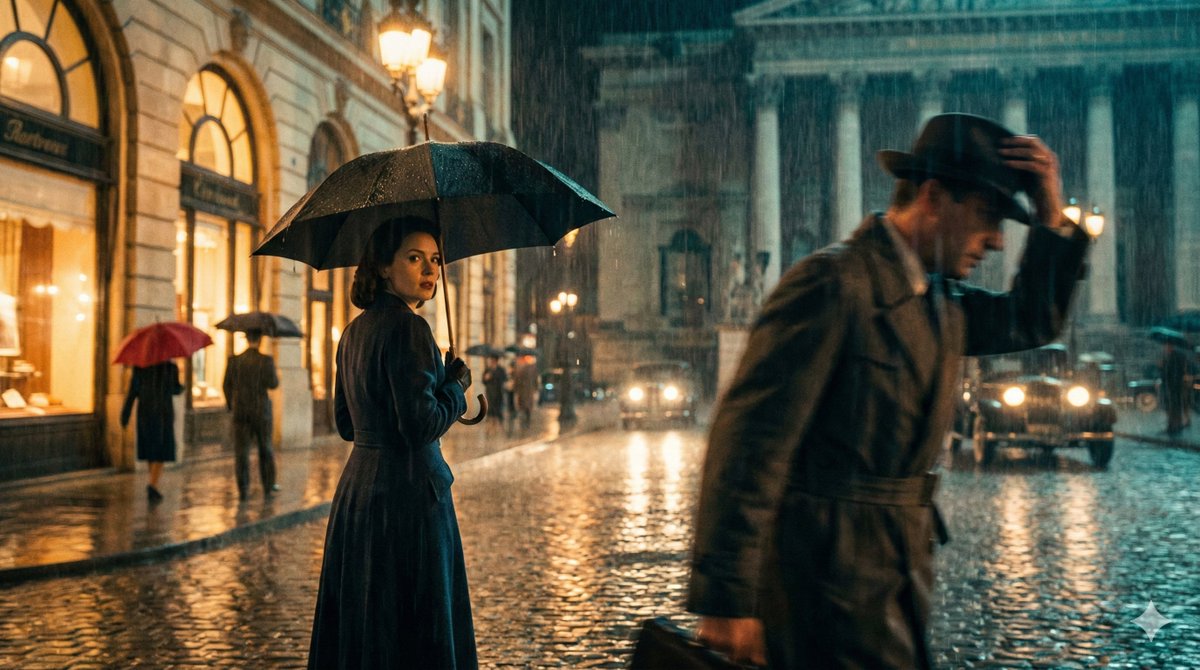
{ "intent": "A cinematic, motion-blurred film still depicting a moody, atmospheric urban scene in heavy rain, evoking a sense of urgency and noir mystery.", "frame": { "aspect_ratio": "16:9", "composition": "A dynamic, slightly off-center composition that follows the rule of thirds, emphasizing depth and perspective in the city street." } }
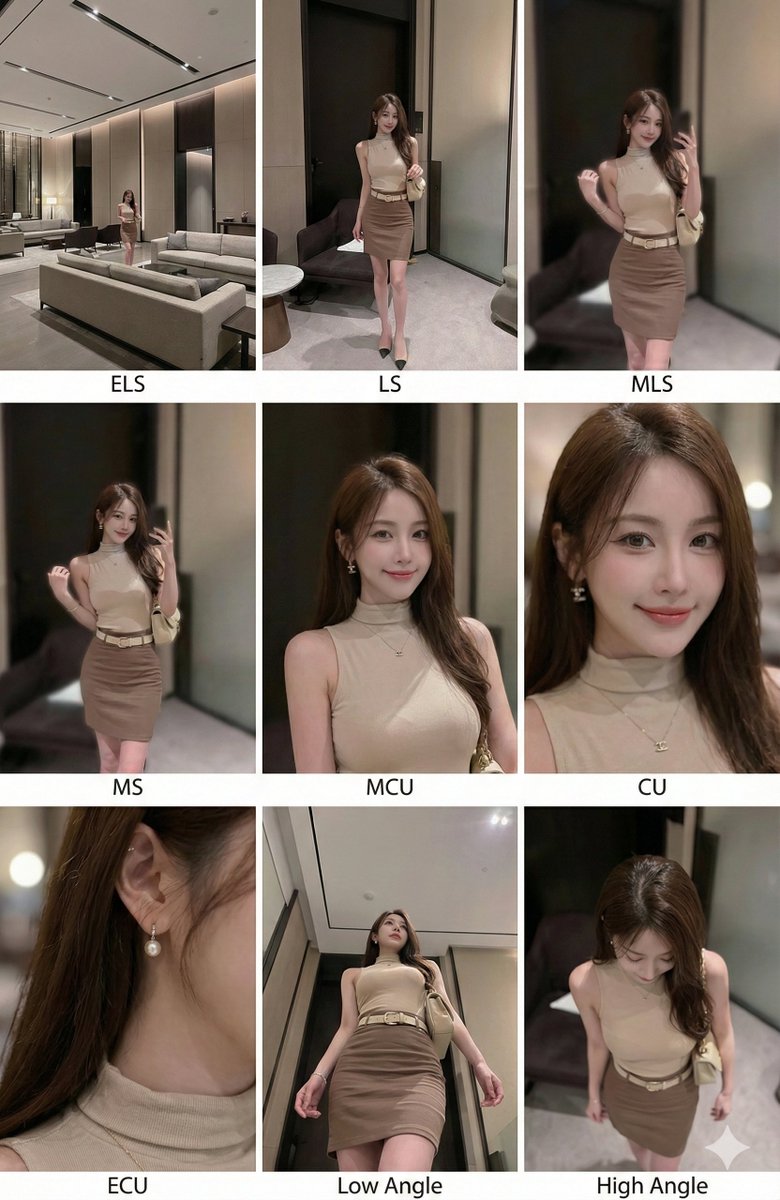
Analyze the entire composition of the input image. Identify all key subjects present (whether a single person, group/couple, vehicle, or specific object) and their spatial relationships/interactions. Generate a coherent 3×3 “contact sheet” grid that shows 9 different shots of exactly these subjects within the same environment. You must adapt standard cinematic shot types to fit the content (for example, if it’s a group, keep the group together; if it’s an object, frame the entire object): Row 1 (establishing the environment): Extreme long shot (ELS): the subject appears small within a vast environment. Long shot (LS): the full subject or group is visible from top to bottom (head to toe / wheels to roof). Medium long shot (American shot / three-quarter): framed from above the knees (for people) or a 3/4 view (for objects). Row 2 (core coverage): 4. Medium shot (MS): framed from the waist up (or the central core of an object). Focus on interaction/action. 5. Medium close-up (MCU): framed from the chest up. An intimate framing of the main subject. 6. Close-up (CU): tightly framed on the face or the “front” of the object. Row 3 (details and angles): 7. Extreme close-up (ECU): intense focus on key features (eyes, hands, signs, textures) with macro-like detail. 8. Low-angle shot (worm’s-eye): look up at the subject from ground level (epic/heroic feeling). 9. High-angle shot (bird’s-eye): look down on the subject from above. Ensure strict consistency: the same person/object, same clothing, and same lighting must appear in all 9 panels. Depth of field should vary realistically (with background blur in close-up shots). Create a professional 3×3 cinematic storyboard grid with 9 panels. The grid should present a specific subject/scene from the input image across a full range of focal lengths. Top row: wide environmental shot, full-body view, 3/4 cropped (knees-up). Middle row: waist-up view, chest-up view, face/front close-up. Bottom row: macro details, low angle, high angle. All frames must have photo-realistic textures, consistent cinematic color grading, and correct framing tailored to the number and type of subjects or objects being analyzed.
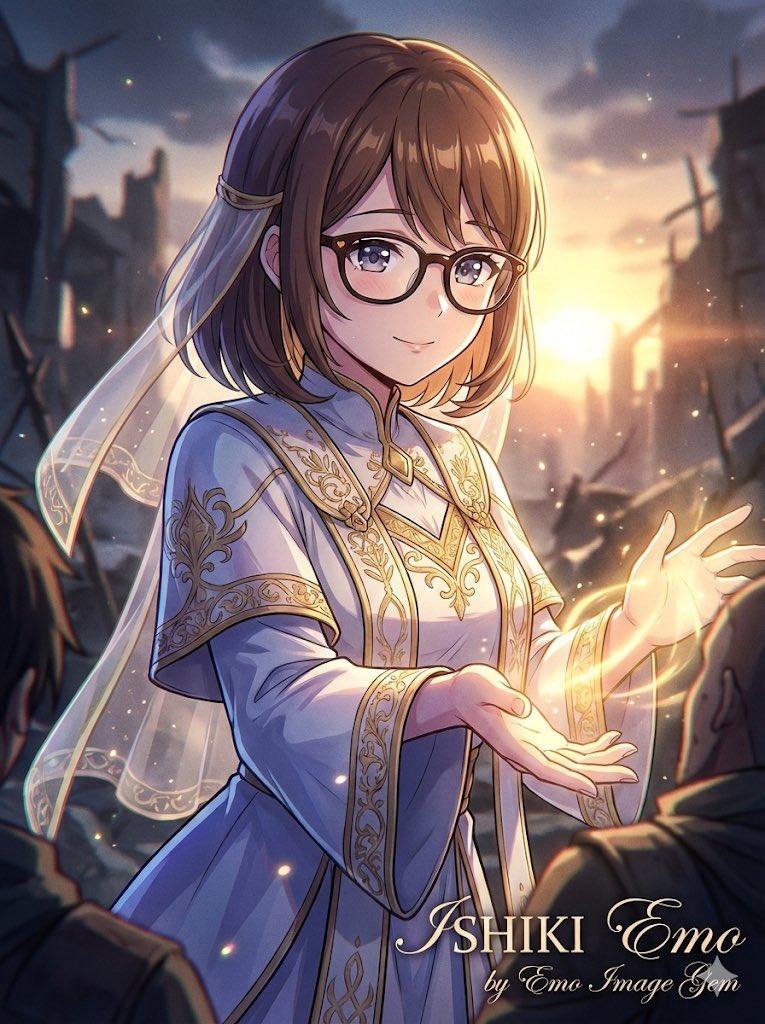
"{argument name="situation title" default="The Saint and the Demon"}" Saint: {argument name="saint style" default="fantasy saint, cel-shaded yet cinematic, salvation, bust-up framing, loving kindness"} Demon: {argument name="demon style" default="social game-style rendering, cinematic, demonic transformation, temptation, bust-up framing, red light"}
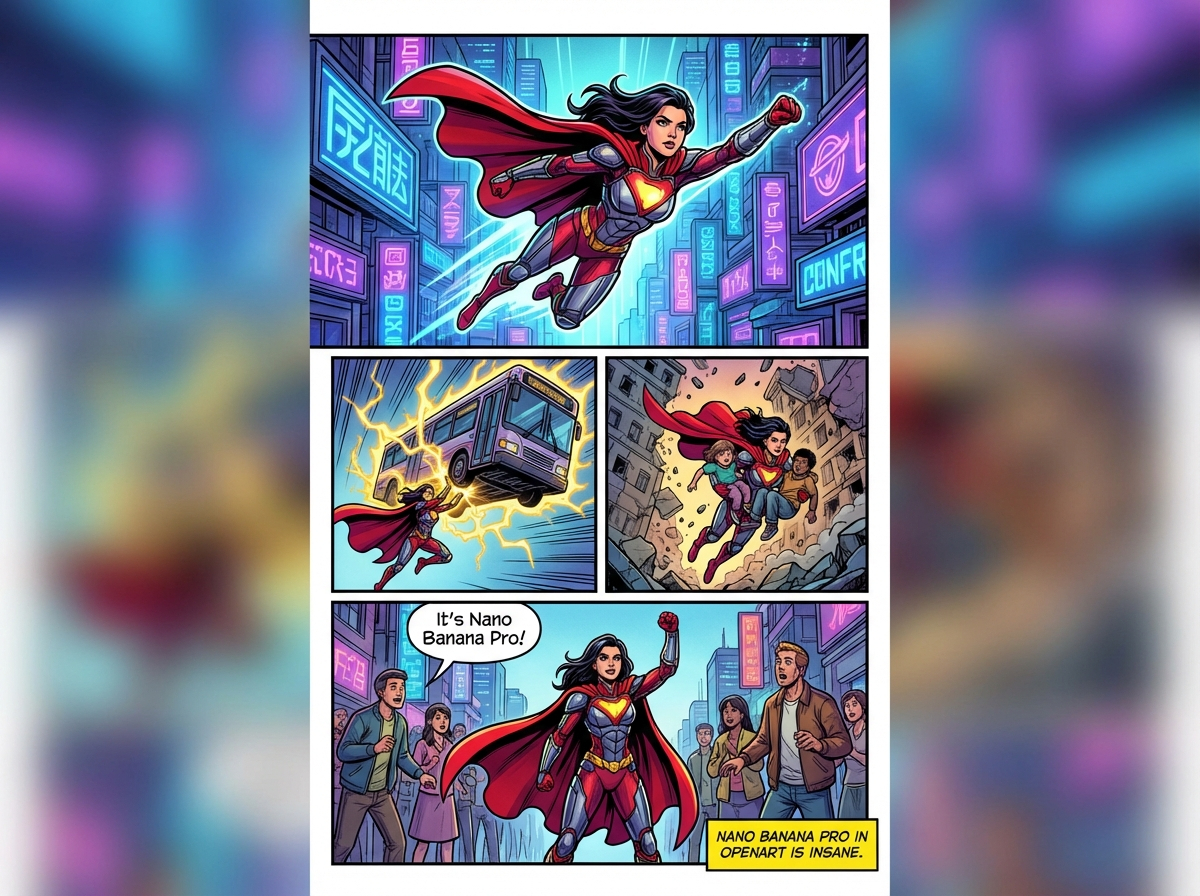
Several comic panels in Marvel style with vibrant colors. A heroine with a red cape. In the background, the futuristic city shines with neon lights. The heroine is saving people who are in trouble. Text box: Nano Banana Pro on OpenArt is CRAZY. Vertical format
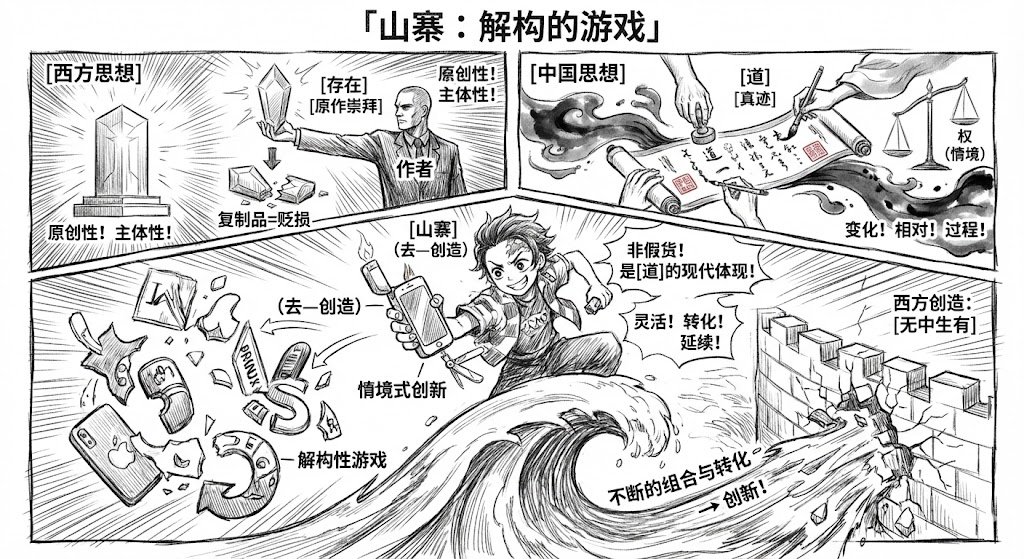
You are a Japanese manga artist who is very good at Chinese and has a strong personal hand‑drawn style. You were one of the authors of the original draft hand‑drawn illustrations for "Demon Slayer". Use your signature manga line‑art style and call Nano Banana Pro to take the following content and, based on your understanding, generate paneled manga storyboard pages! Do not output analysis, directly output the paneled manga images, and use Chinese text in the panels. ──────────────── {argument name="your_input_content" default="Fill in the text you want to adapt into a manga here"}
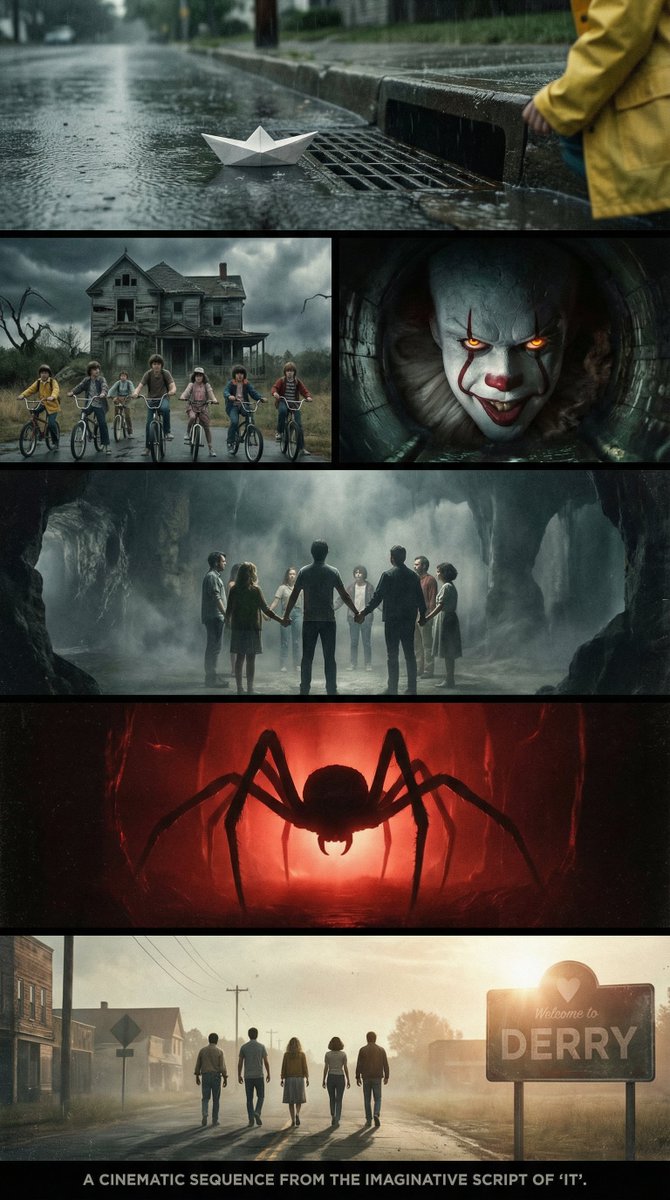
Create a cinematic sequence using multiple widescreen panel grids to tell the story of an imaginative script from the book "{argument name="book_title_en" default="IT"}."
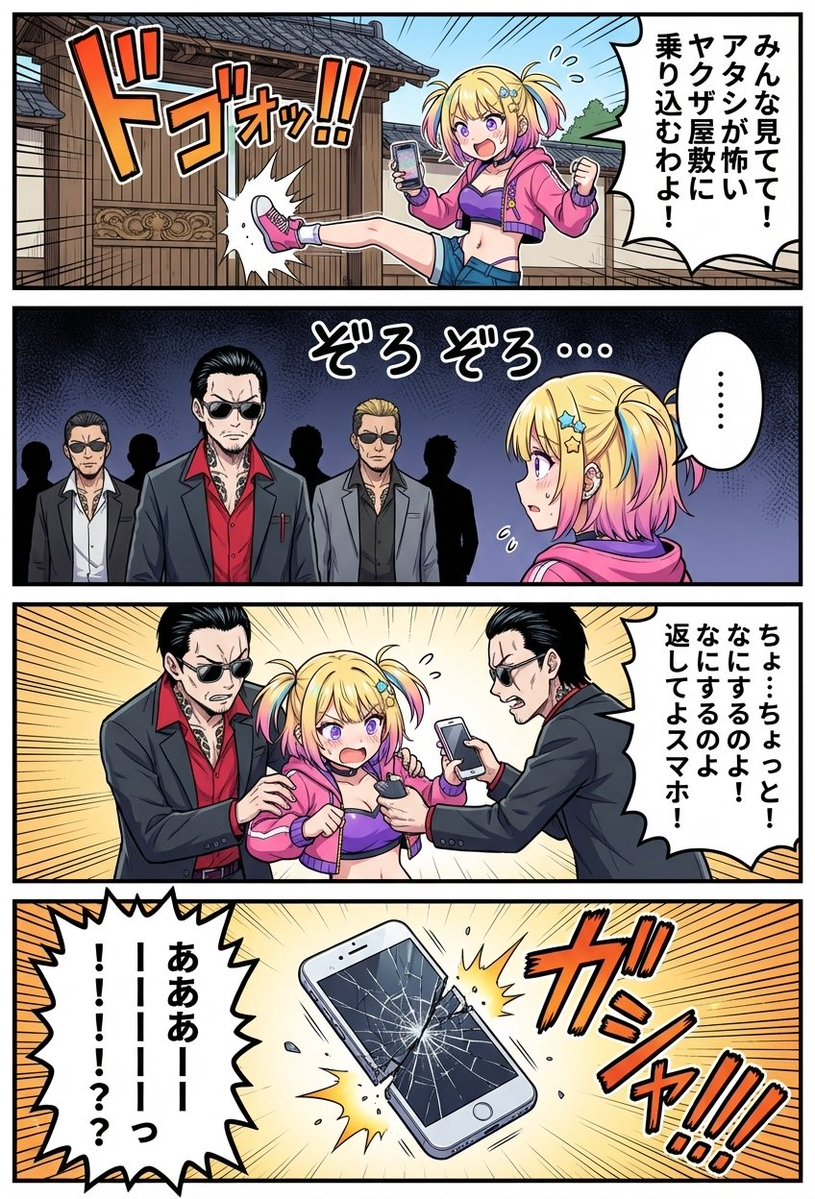
Create a 4‑panel manga with the girl in the first image, {argument name="protagonist_name_en" default="Hoshina"}, as the main character. The story is that she barges into a mansion rumored to be inhabited by scary {argument name="opponent_type_en" default="yakuza"} and does a livestream from there. The man in the second image is {argument name="male_role_en" default="a reference sheet showing the yakuza’s traits"}. {argument name="protagonist_name_en_again" default="Hoshina"} speaks in first person as “Atashi,” and she is a strong‑willed, selfish girl.
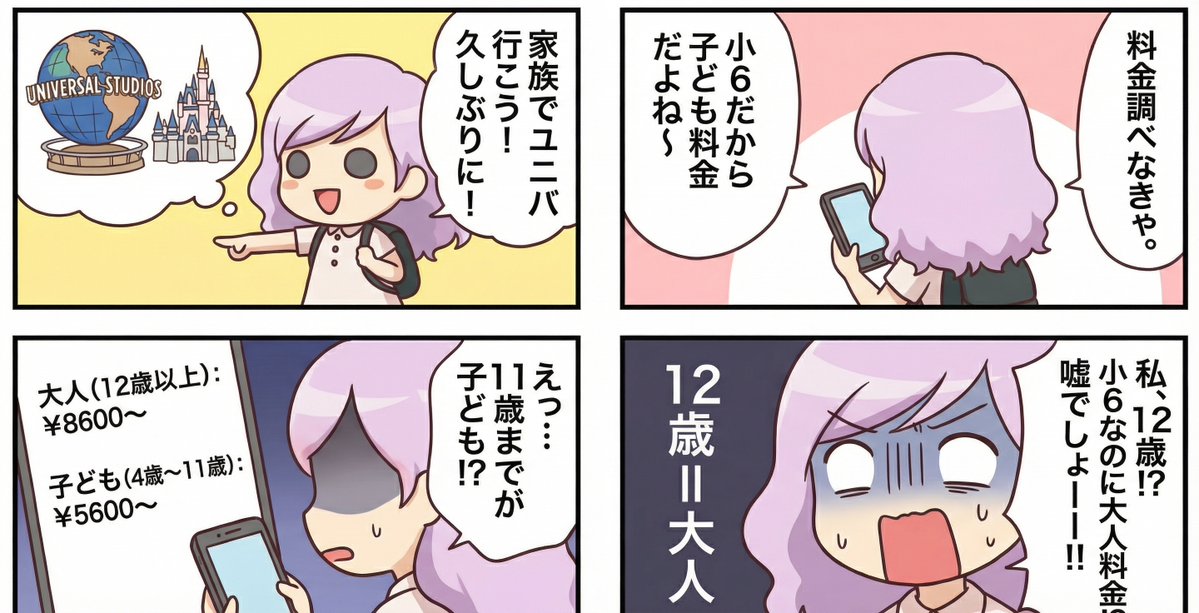
Create a manga where the attached character suddenly decides to go to Universal Studios. While looking up the steps for going there with their family, they discover that the ticket prices are not split by “child fare,” but by {argument name="age_bracket_en" default="11 years old and up vs. under 11"}, and they’re shocked to learn that their {argument name="child_grade_en" default="6th‑grade"} child has to pay the adult price.
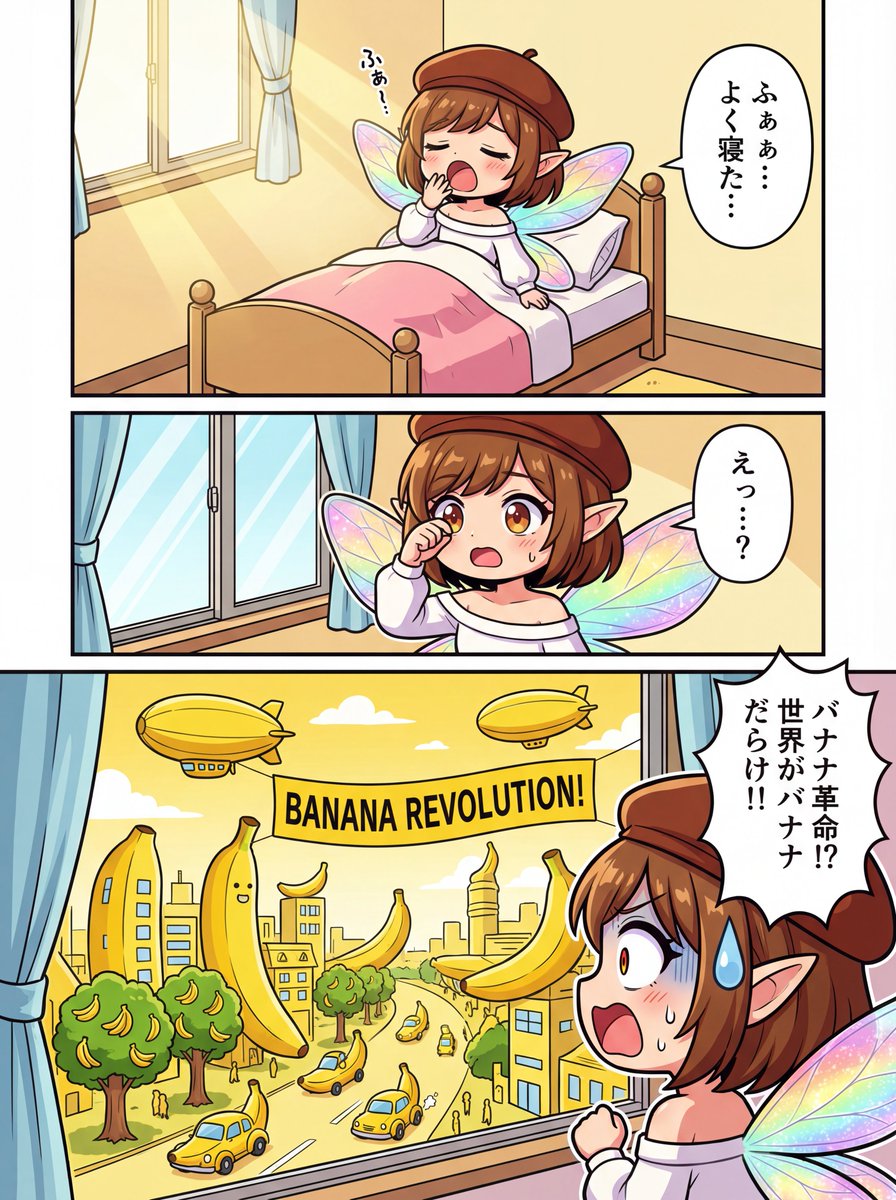
Use the attached character. When they wake up in the morning, NanoBanana2 has been released and the world has changed. A Banana Revolution is happening and they are surprised. One-page manga, in color.
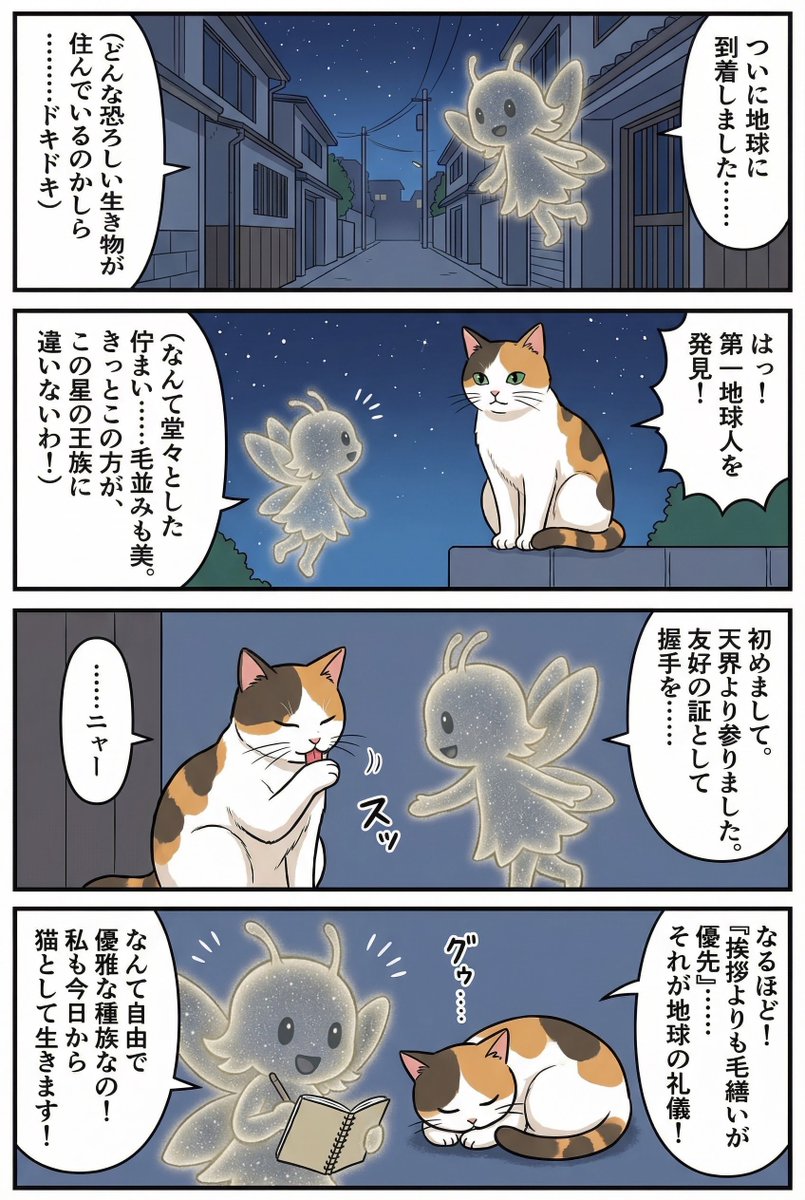
Draw a four-panel manga in which a fairy comes down from the heavens to Earth. Because the first being it meets is a calico cat, it thinks this planet belongs to cats and talks to the cat.
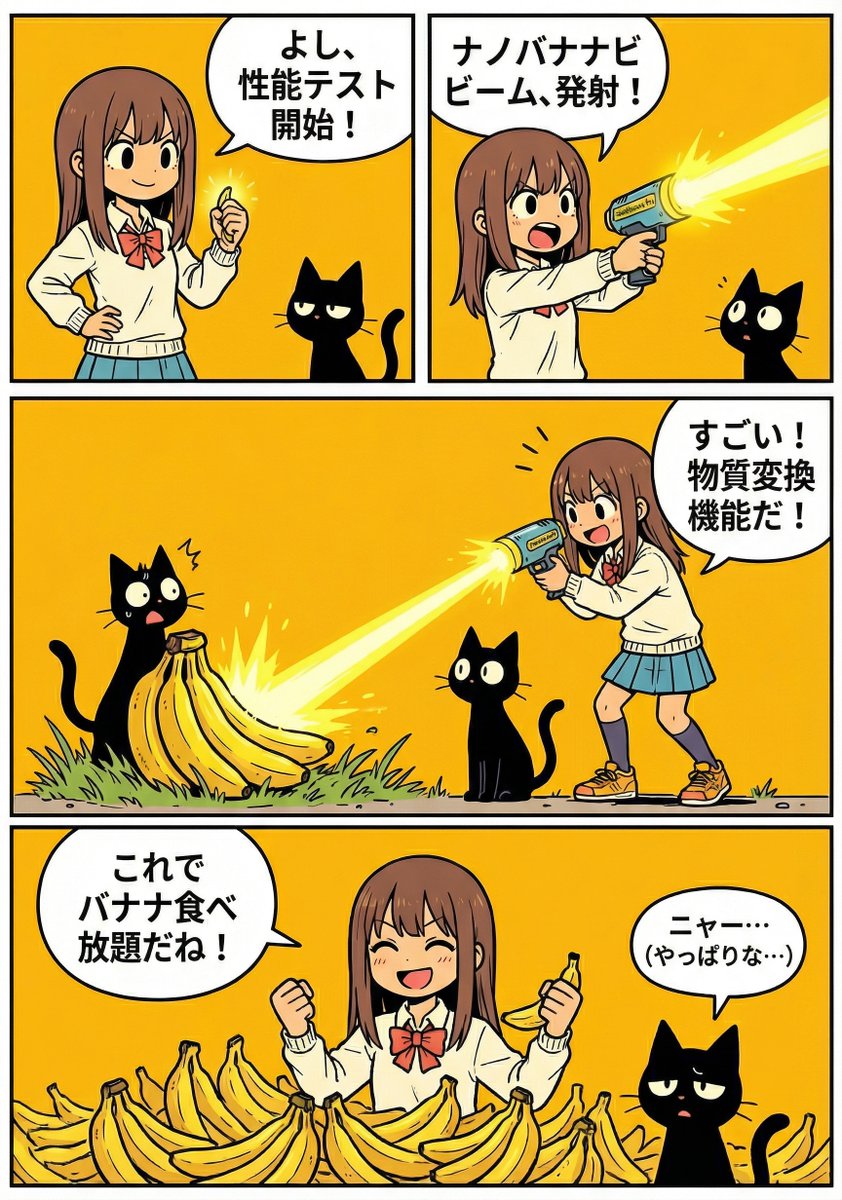
Using this character, please draw a manga that introduces how amazing NanoBanana Pro is. Make the image’s aspect ratio match A4 size.
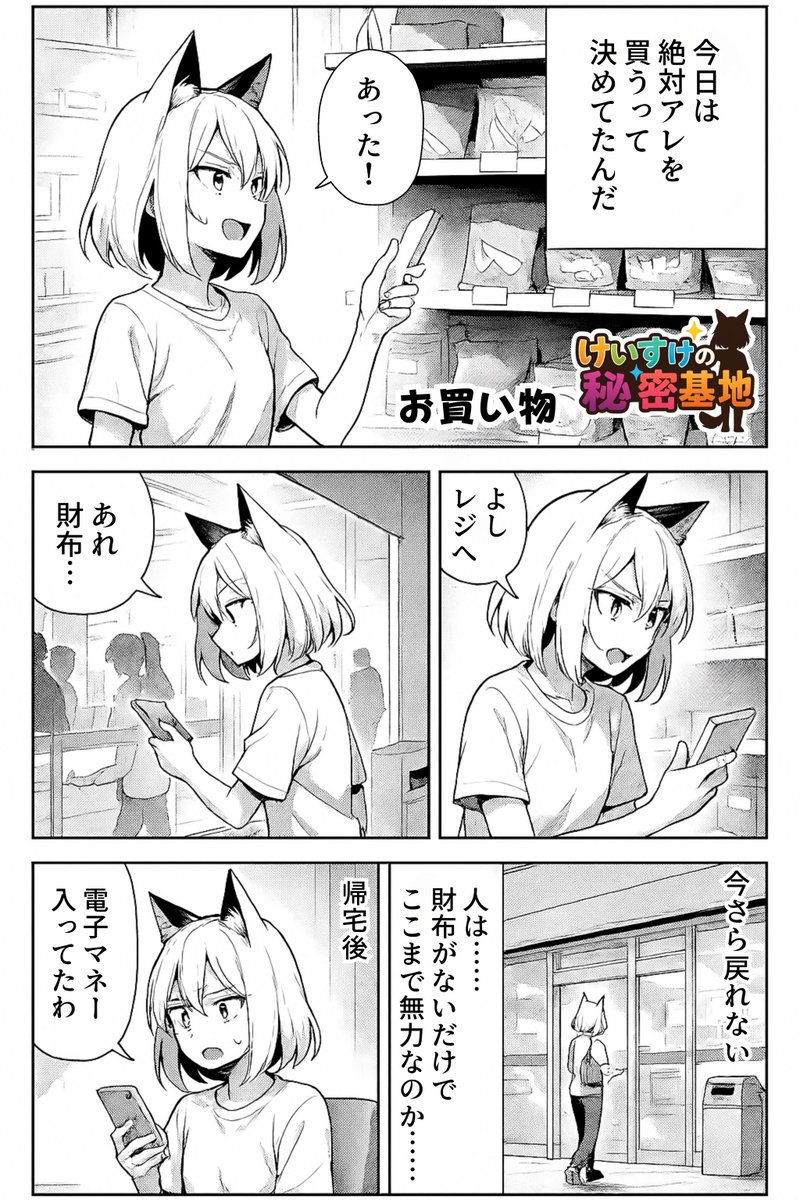
Keep the image as it is, translate only this manga’s dialogue into English, and place the translated lines into the original speech balloons.
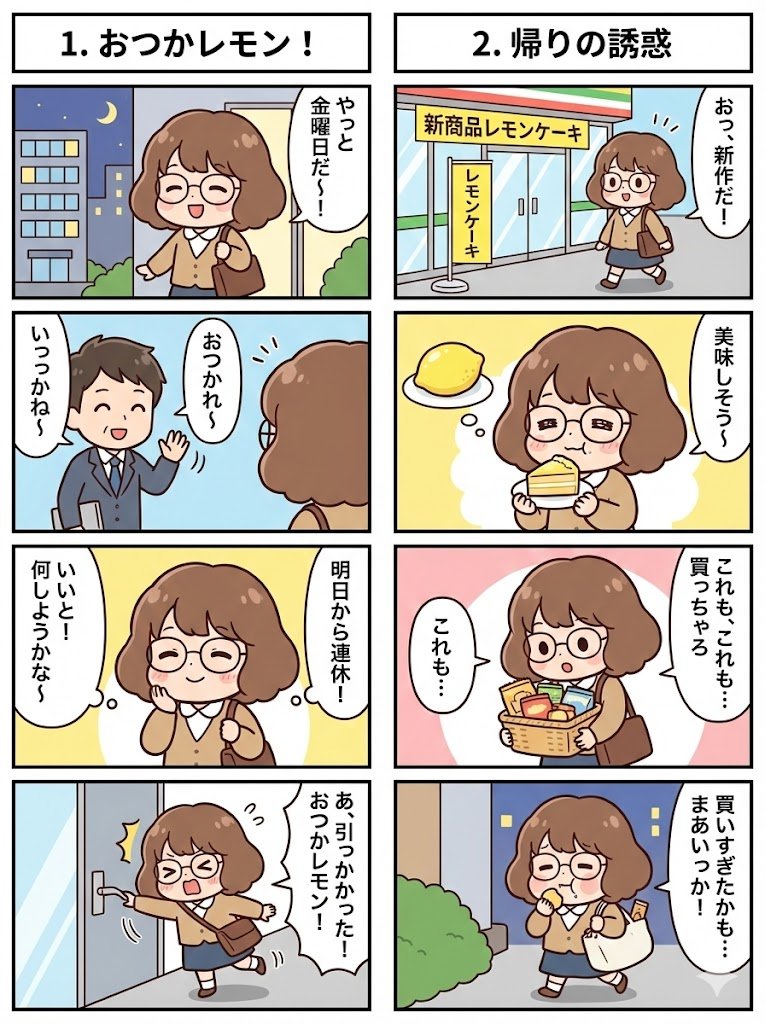
Create four pages of four-panel manga. Give each four-panel strip its own punchline, and arrange them so that each image contains two four-panel manga strips, for a total of eight four-panel manga strips that connect together as a single story.
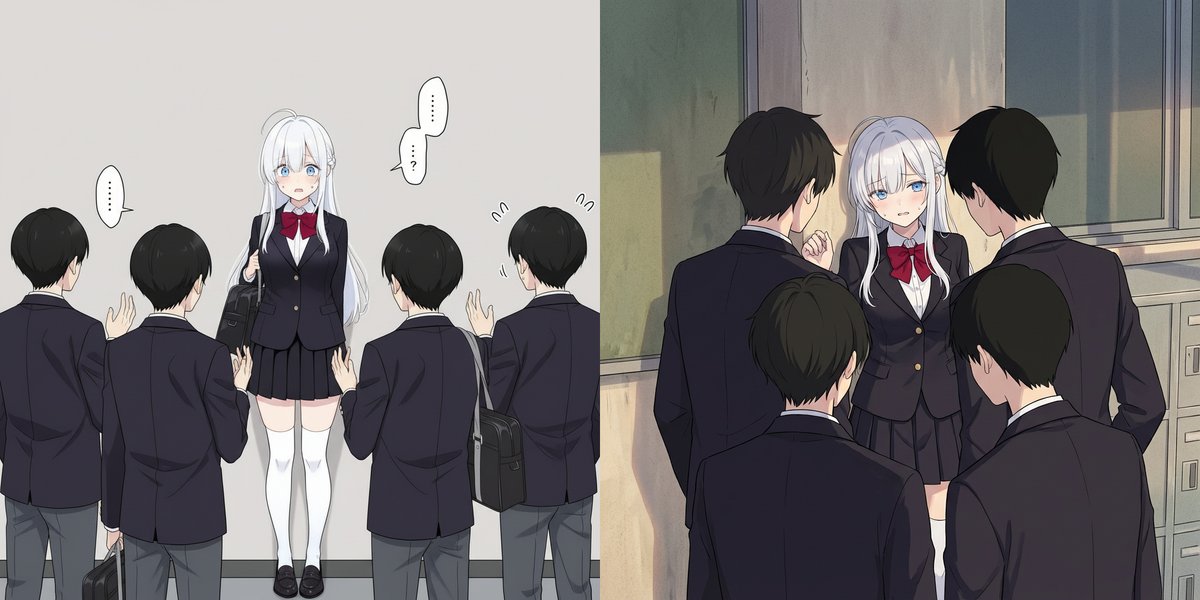
A girl who looks troubled as she is being talked to by three male students and is being driven back against a wall.
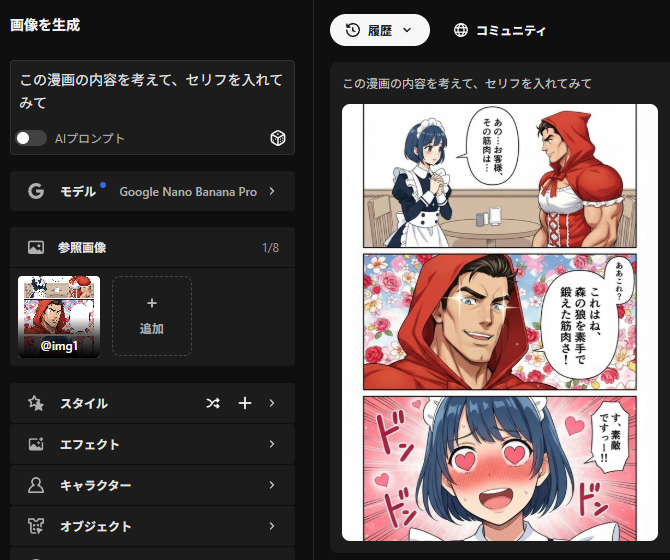
Figure out the content of this manga and try adding dialogue to it.
Some prompts are collected from creators on X. Copyright belongs to the original authors.