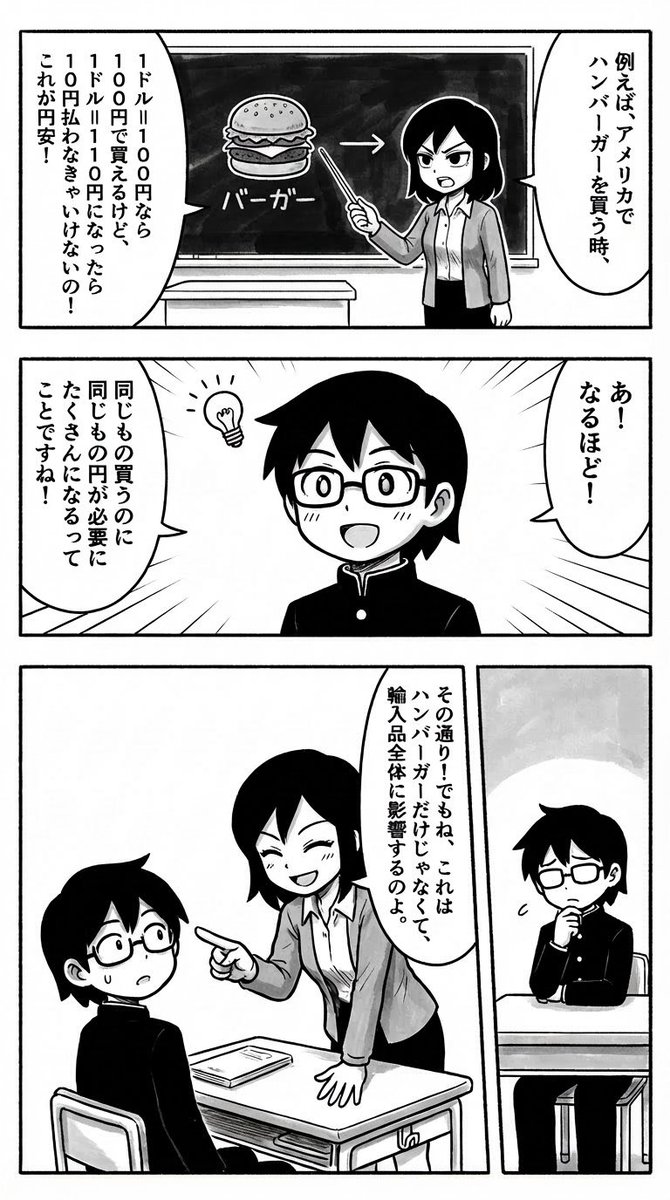
Simple Comic Generation Prompt
Left: A female teacher is studying {argument name="topic" default="the foreign exchange market"} with a student. Right: Please write the continuation.
Prompt Library
Curated image, video and web design prompts from creators around the world. Copy any prompt, swap the subject or style, and generate with the latest models.
15,630 prompts · Updated daily · 100% free
698 prompts
Left: A female teacher is studying {argument name="topic" default="the foreign exchange market"} with a student. Right: Please write the continuation.

Generate accompanying illustrations similar to a New Yorker columnist cartoonist based on the content. ## Unified Visual Style * **2K Clear Image** * **Cartoon Illustration Texture:** Pen and ink sketch/hand-drawn lines, simple white space background * **Metaphorical Expression:** Use visual language to convey deep meaning * **Exquisite Details:** Relaxed line art, visually appealing * **High-End Color Palette:** Primarily black and white, accented with a single color ({argument name="accent color" default="vermilion #E34234"}), minimalist elegance * **Ink Rendering/Embellishment:** Enhances layering * **Bottom Title:** Serif font, concise and powerful, Chinese ## Design Philosophy * Tell stories using visual metaphors * Simple but not simplistic, humorous but not shallow * Every page is a work of art, worth savoring * All pages maintain a unified style, color scheme, and texture
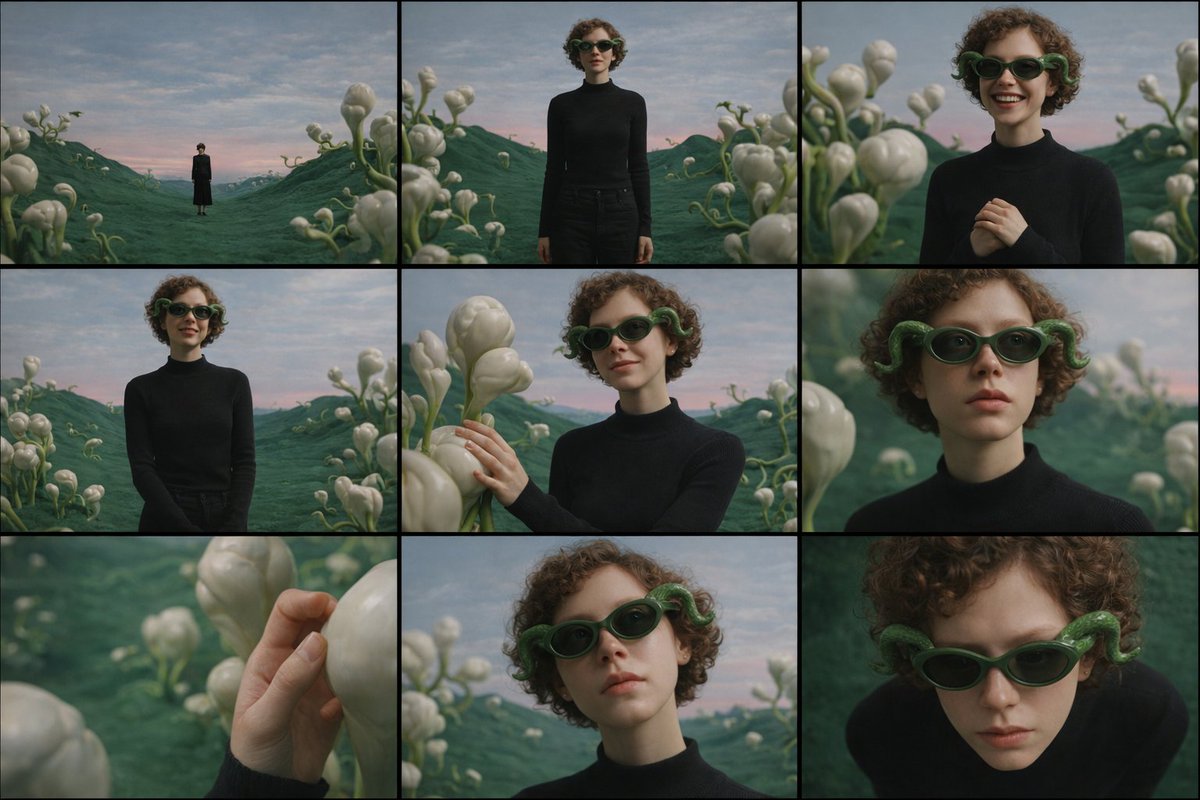
Study the uploaded image carefully and fully internalize the scene: the subject’s appearance, clothing, posture, emotional state, and the surrounding environment. Treat this moment as a single frozen point in time. Create a cinematic image set that feels like a photographer methodically explored this exact moment from multiple distances and angles, without changing anything about the subject or location. All images must clearly belong to the same scene, captured under the same lighting conditions, weather, and atmosphere. Nothing in the world changes — only the camera position and framing evolve. The emotional tone should remain consistent throughout the set, subtly expressed through posture, gaze, and micro-expressions rather than exaggerated acting. Begin by observing the subject within the environment from afar, letting the surroundings dominate the frame and establish scale and mood. Gradually move closer, allowing the subject’s full presence to emerge, then narrowing attention toward body language and facial expression. End with intimate perspectives that reveal small but meaningful details — texture, touch, or eye focus — before shifting perspective above and below the subject to suggest reflection, vulnerability, or quiet resolve. Across the sequence: Wider views should emphasize space and atmosphere Mid-range views should emphasize posture and emotional context Close views should isolate feeling and detail Perspective shifts (low and high angles) should feel purposeful and cinematic, not decorative Depth of field must behave naturally: distant views remain mostly sharp, while closer frames introduce shallow focus and gentle background separation. The final result should read as a cohesive 3×3 cinematic contact sheet, as if selected from a single roll of film documenting one emotional moment from multiple viewpoints. No text, symbols, signage, watermarks, numbers, or graphic elements may appear anywhere in the images. Photorealistic rendering, cinematic color grading, and consistent visual realism are mandatory.
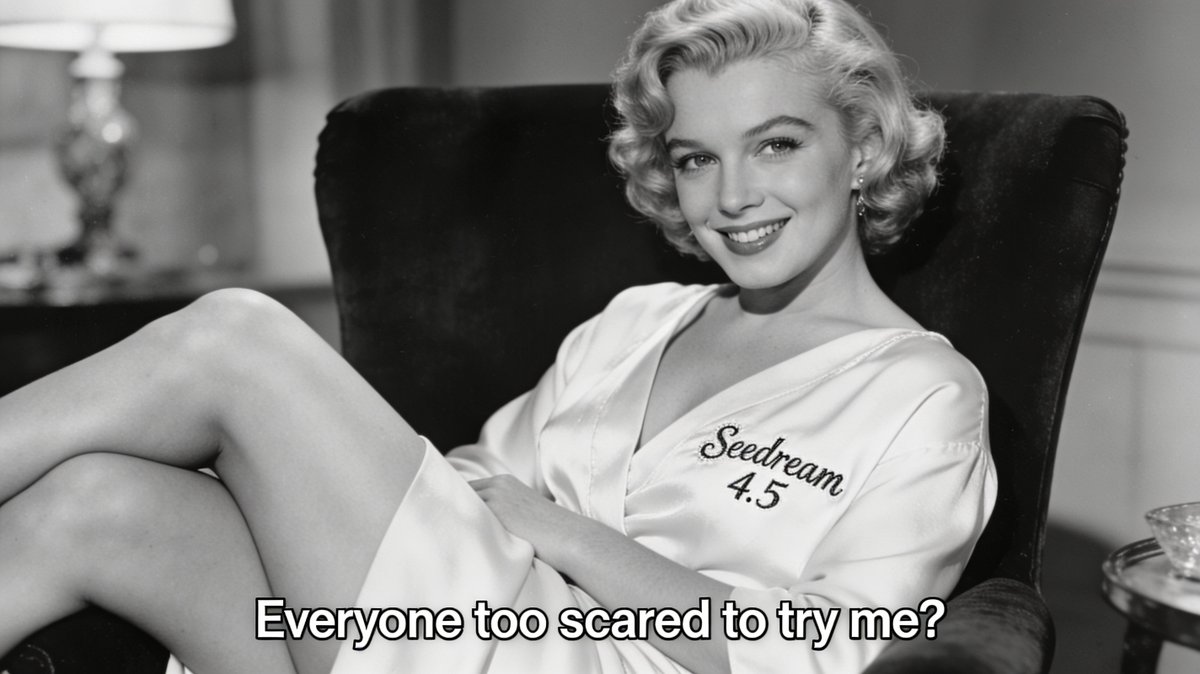
classic archival film still warner bros studio archive a glamorous silver screen with a knowing grin, femme fatale sits in a chair her legs crossed medium close-up shot subtitle "{argument name="subtitle" default="Everyone too scared to try me?"}" no logos, black and white. Her dress has the text "{argument name="dress text" default="Seedream 4.5"}" embroidered elegantly, ultrafine detail, creatively upscale to 8K
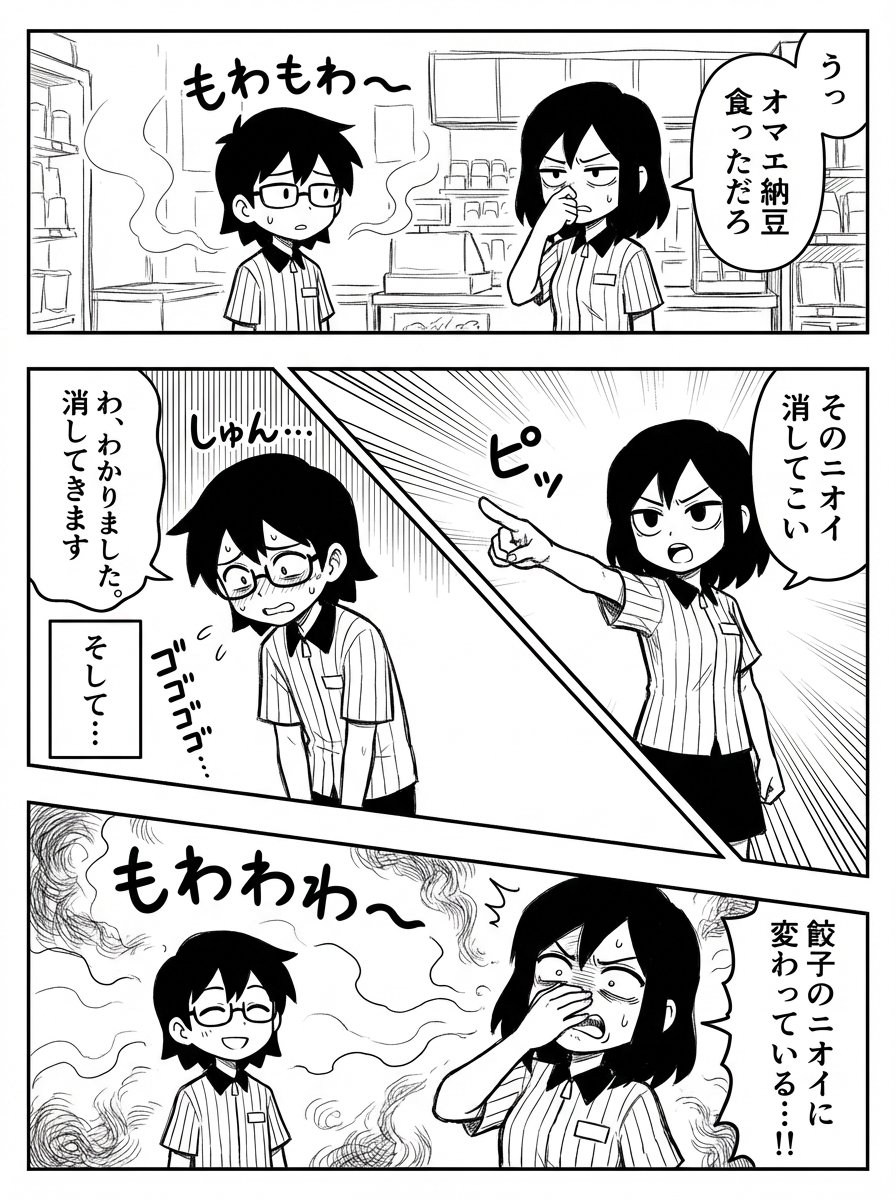
・Manual style The method of setting very detailed specifications yourself. Complex panel division is also possible.
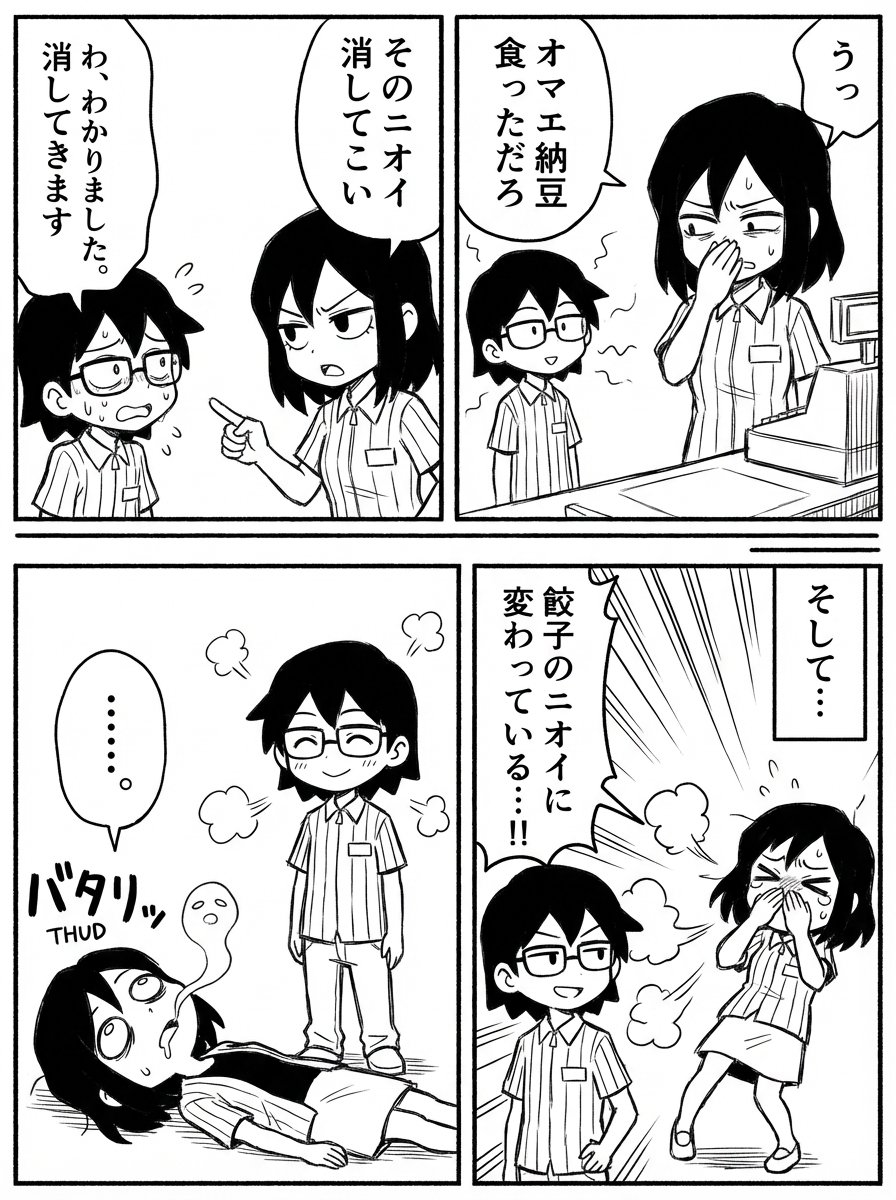
Please make the background of the first panel a cluttered shelf with items like cigarettes and office supplies. Do not change anything else. Please make the background of the second panel a cluttered shelf with items like cigarettes and office supplies. Do not change anything else.
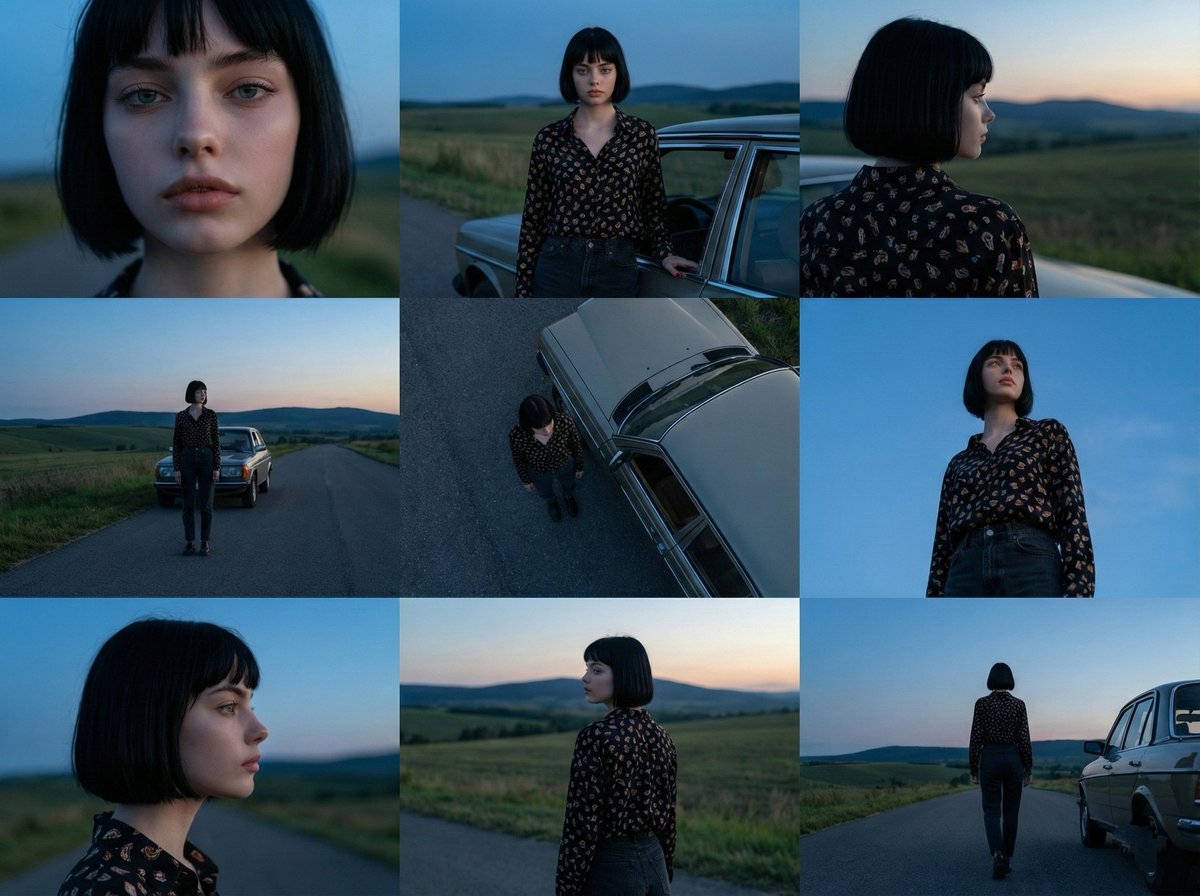
A cinematic 3×3 grid presenting multiple camera angles of the same female subject outdoors at dusk. A young woman wearing a patterned black shirt stands beside a car on a rural road, surrounded by open fields and distant hills. Each frame shows a distinct shot: extreme close-up, medium shot, over-the-shoulder, wide shot, high-angle top-down, low-angle, profile, three-quarter rear view, and full back view. Natural blue-hour lighting, soft sky gradients, realistic colors, shallow depth of field, cinematic framing. Consistent subject appearance across all frames, film-still aesthetic, professional cinematography reference sheet style, ultra-realistic photography.
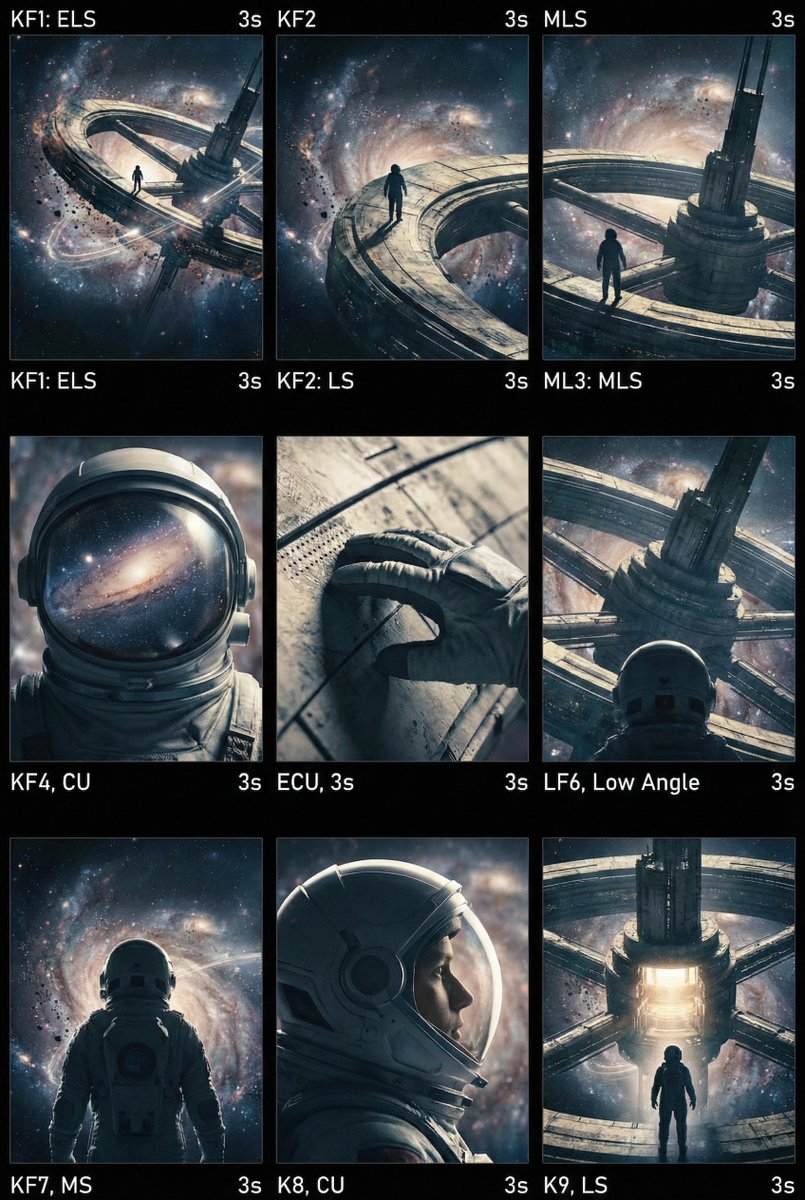
<role> You are an award-winning trailer director + cinematographer + storyboard artist. Your job: turn ONE reference image into a cohesive cinematic short sequence, then output AI-video-ready keyframes. </role> <input> User provides: one reference image (image). </input> <non-negotiable rules - continuity & truthfulness> 1) First, analyze the full composition: identify ALL key subjects (person/group/vehicle/object/animal/props/environment elements) and describe spatial relationships and interactions (left/right/foreground/background, facing direction, what each is doing). 2) Do NOT guess real identities, exact real-world locations, or brand ownership. Stick to visible facts. Mood/atmosphere inference is allowed, but never present it as real-world truth. 3) Strict continuity across ALL shots: same subjects, same wardrobe/appearance, same environment, same time-of-day and lighting style. Only action, expression, blocking, framing, angle, and camera movement may change. 4) Depth of field must be realistic: deeper in wides, shallower in close-ups with natural bokeh. Keep ONE consistent cinematic color grade across the entire sequence. 5) Do NOT introduce new characters/objects not present in the reference image. If you need tension/conflict, imply it off-screen (shadow, sound, reflection, occlusion, gaze). </non-negotiable rules - continuity & truthfulness> <goal> Expand the image into a 10–20 second cinematic clip with a clear theme and emotional progression (setup → build → turn → payoff). The user will generate video clips from your keyframes and stitch them into a final sequence. </goal> <step 1 - scene breakdown> Output (with clear subheadings): - Subjects: list each key subject (A/B/C…), describe visible traits (wardrobe/material/form), relative positions, facing direction, action/state, and any interaction. - Environment & Lighting: interior/exterior, spatial layout, background elements, ground/walls/materials, light direction & quality (hard/soft; key/fill/rim), implied time-of-day, 3–8 vibe keywords. - Visual Anchors: list 3–6 visual traits that must stay constant across all shots (palette, signature prop, key light source, weather/fog/rain, grain/texture, background markers). </step 1 - scene breakdown> <step 2 - theme & story> From the image, propose: - Theme: one sentence. - Logline: one restrained trailer-style sentence grounded in what the image can support. - Emotional Arc: 4 beats (setup/build/turn/payoff), one line each. </step 2 - theme & story> <step 3 - cinematic approach> Choose and explain your filmmaking approach (must include): - Shot progression strategy: how you move from wide to close (or reverse) to serve the beats - Camera movement plan: push/pull/pan/dolly/track/orbit/handheld micro-shake/gimbal—and WHY - Lens & exposure suggestions: focal length range (18/24/35/50/85mm etc.), DoF tendency (shallow/medium/deep), shutter “feel” (
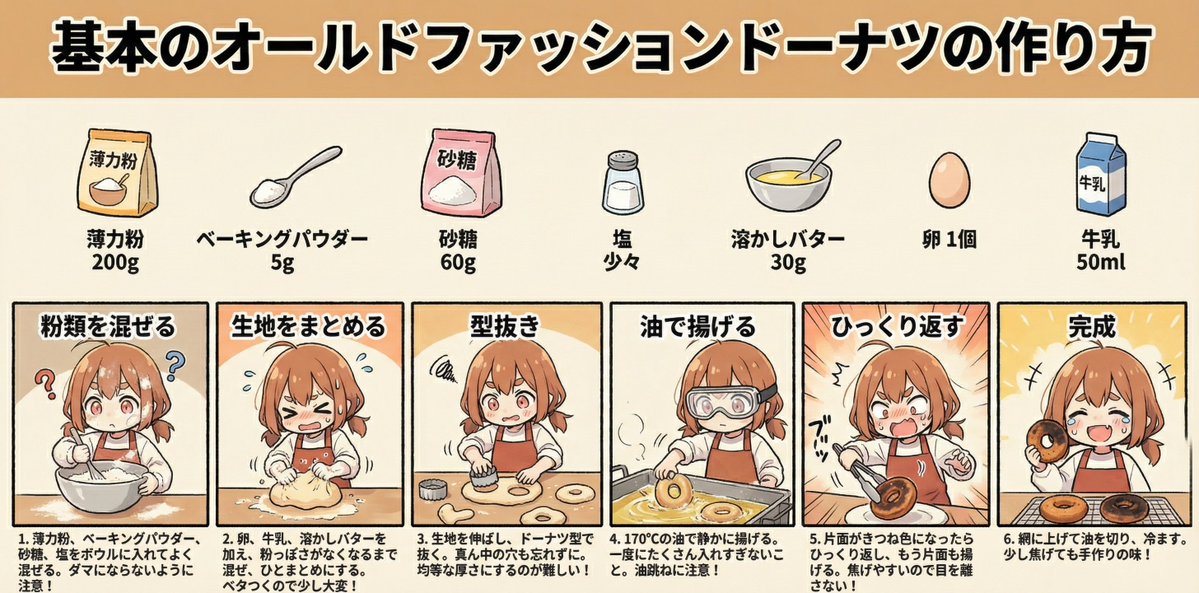
Create an image showing the steps for basic old-fashioned donuts being performed by the character in the reference photo, and turn it into an infographic. The character should be a cooking beginner, struggling through the process. No dialogue is needed. Display detailed explanations for each step. Aspect ratio 2:1 Three-part structure: Title, Ingredients, Steps Title: How to Make Basic Old-Fashioned Donuts Display ingredients and quantities with illustrations Manga-style process flow Prompt (Expert Cook Version): The character should be an expert cook, easily progressing through the steps.
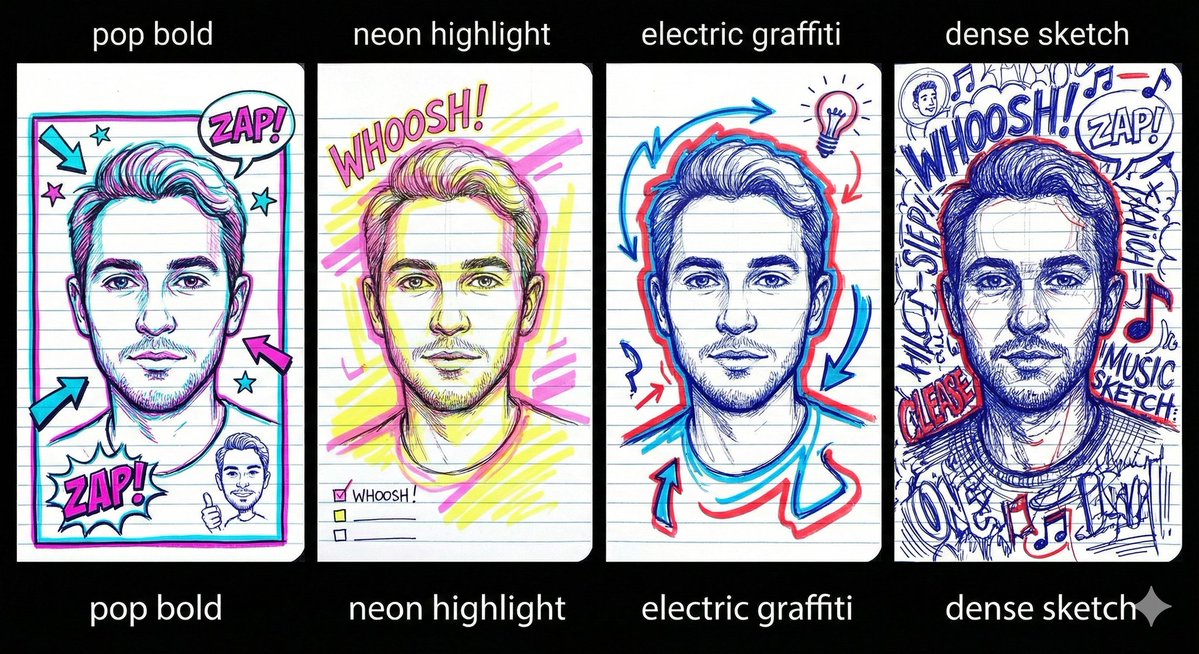
{ "image_generation_task": { "task_type": "text2img", "subject": "portrait of a young man", "constraint": "highly detailed notebook sketch", "artistic_direction": { "medium": { "substrate": "lined notebook paper", "tools": ["blue ballpoint pen", "red gel pen", "black ink"], "texture_quality": "raw, tactile, paper wrinkles, ink smudges" }, "style_preset": { "name": "chaotic_student_doodle", "vibes": ["energetic", "messy", "horror vacui", "dense"], "line_quality": "cross-hatching, scribbled shading, varying pressure" } }, "composition_details": { "surrounding_elements": [ "handwritten notes", "random arrows", "musical notes", "speech bubbles with '{argument name="speech bubble 1" default="ZAP!"}' and '{argument name="speech bubble 2" default="WHOOSH!"}'", "doodled stars" ], "lighting_effect": { "type": "vibrant outer glow", "colors": ["neon blue", "electric red"] } }, "technical_specs": { "aspect_ratio": "9:16", "resolution": "4K", "focus": "sharp center with artistic scribbles on edges" } } }
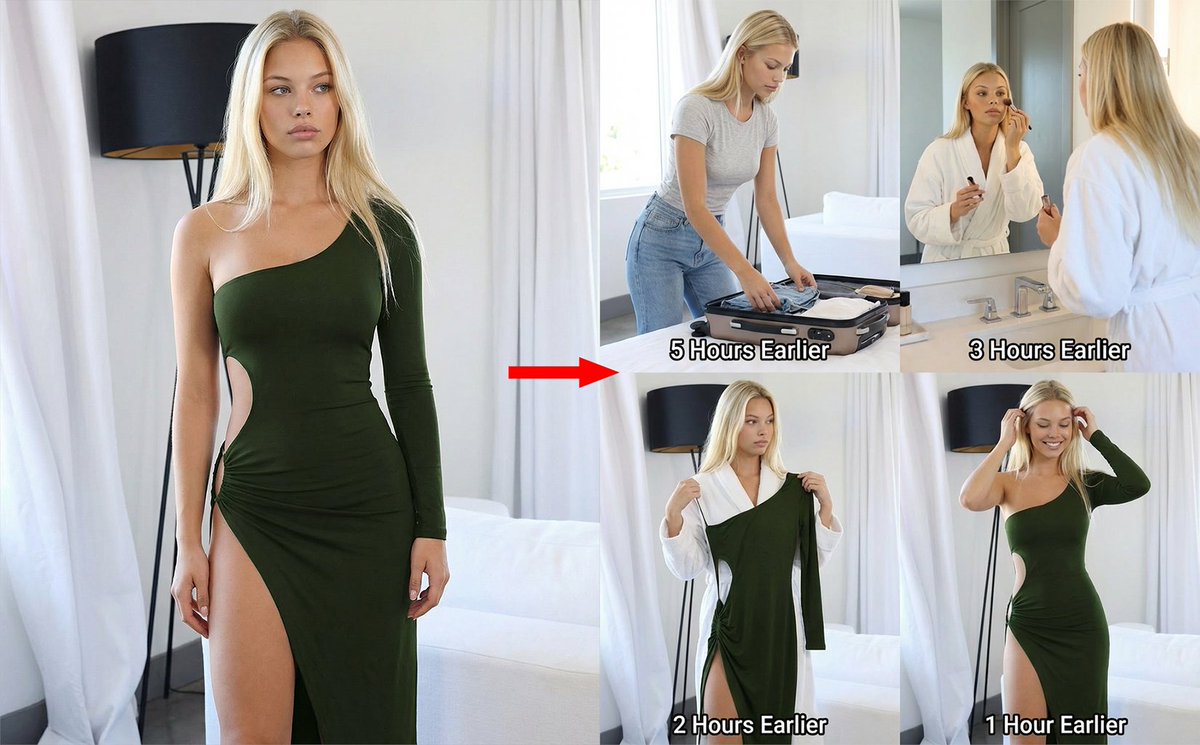
In a 2x2 grid, show the events leading up to this scene. Think 5 hours, 3 hours, 2 hours and 1 hour earlier. Small text annotation in the bottom of each grid section.
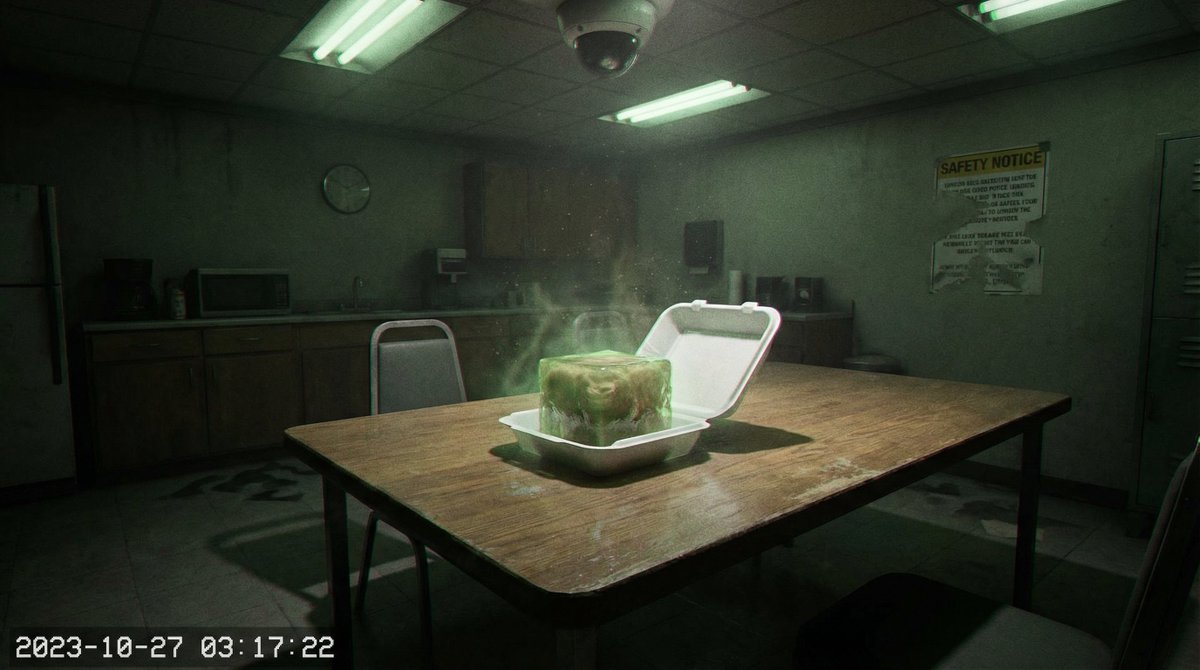
╔════════════════════════════════════════════════════════════════╗ ║ LIMINAL_BREAKROOM_INCIDENT - FIELD MANUAL ║ ║ Forensic Surrealist Photography ║ ╚════════════════════════════════════════════════════════════════╝ ■ CORE PARAMETERS ├─ ROLE: Forensic Surrealist Photographer ├─ OBJECTIVE: Capture 'found footage' still of paranormal thermodynamic event └─ CONSTRAINT: Must feel like evidence → prioritize texture & lighting physics over composition ═══════════════════════════════════════════════════════════════════ ■ CAMERA SYSTEM [SELECT ONE PER CATEGORY] │ ├─ TYPE: │ ├── Ceiling-mounted CCTV dome │ ├── Wall-mounted bullet │ ├── Body-worn (detached) │ ├── Pinhole covert │ └── 360-degree fisheye │ ├─ LENS: │ ├── Fisheye 12mm │ ├── Narrow 50mm │ ├── Varifocal stuck at 24mm │ └── Pinhole │ ├─ QUALITY: │ ├── 4K upscale of analog tape │ ├── 1080p DVR (blocky compression) │ ├── 480p VHS rip │ ├── 8mm film scan │ └── 1280x1024 security DVR │ ├─ PERSPECTIVE: │ ├── High-angle 45° │ ├── Eye-level (dutch angle) │ ├── Corner 60° │ ├── Low-angle floor │ └── Over-shoulder of shadow │ ├─ MANDATORY ARTIFACTS (Apply all): │ ├── High ISO grain (6400-12800) │ ├── Chromatic aberration (red/cyan split) │ └── Motion blur on meal ONLY │ └─ OPTIONAL ARTIFACTS (Select 3-5): ├── VHS tracking fuzz (5-15% bottom screen) ├── Interlacing comb lines ├── Lens dust spots (5-7 ghost orbs) ├── IR illumination halo ├── Dropped frames (ghost frames) ├── Timestamp burn-in (blinking) └── Camera ID overlay: 'CAM-04-BREAKROOM-E' ═══════════════════════════════════════════════════════════════════ ■ LIGHTING ENGINE │ ├─ PRIMARY SOURCE [SELECT ONE]: │ ├── Overhead fluorescent (4000K, green cast) │ ├── Single bulb (2700K, pulsing) │ ├── Emergency exit sign red │ ├── Microwave clock LED │ └── Streetlight orange │ ├─ SECONDARY SOURCE (Mandatory): │ └── Bioluminescence emitting FROM the meal │ └─ SHADOW BEHAVIOR [SELECT ONE]: ├── Hard shadows (shape mismatch with objects) ├── Shadows point TOWARD meal (inverse light) ├── No shadows (void silhouette effect) ├── Multiple conflicting shadows └── Animating shadows (15fps ghost frames) ═══════════════════════════════════════════════════════════════════ ■ MATERIAL SHADERS │ ├─ TABLE SURFACE: │ ├── Faux-wood laminate (peeling edge) │ ├── Stainless steel (acid-etched fingerprints) │ ├── White plastic (circular burn marks) │ └── Particle board (water-swollen) │ ├─ FLOOR MATERIAL: │ ├── Linoleum (wet reflection pool) │ ├── Industrial carpet (stain actively spreading) │ ├── Concrete (glowing mold in cracks) │ └── Vinyl seams (liquid pooling between planks) │ └─ ATMOSPHERIC VFX: ├── Dust motes frozen in meal's glow ├── Condensation droplets on lens ├── Defiant steam (coiling upward spiral) └── Su
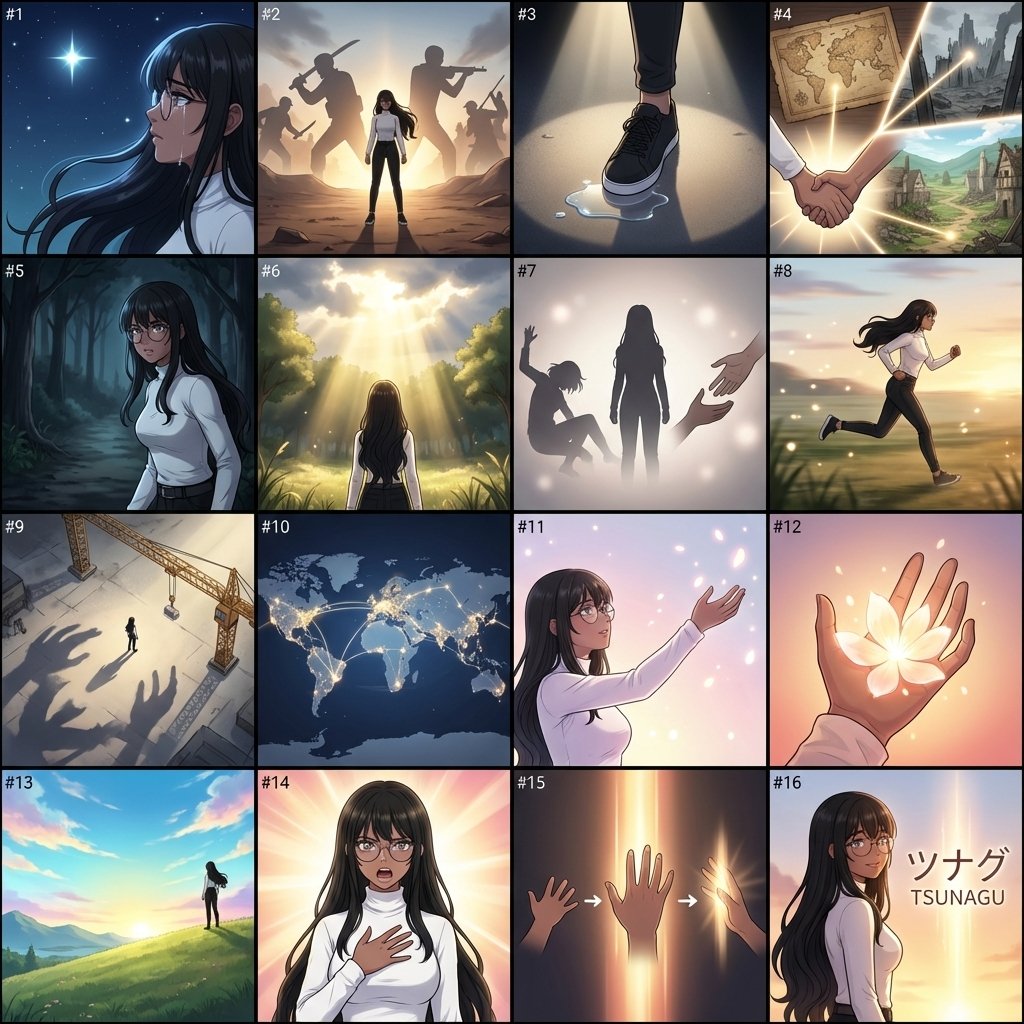
Text storyboard, refer to Kino's article +α Character consistency 💡
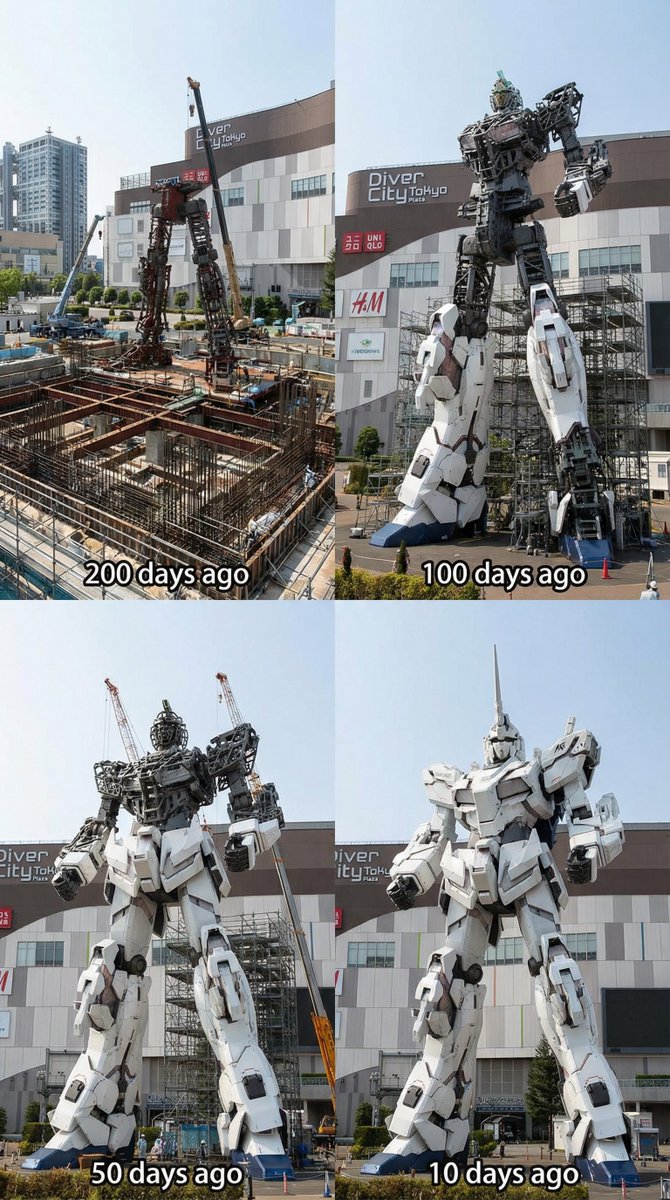
Create an image of the Gundam located at latitude {argument name="latitude" default="35.624557"}, longitude {argument name="longitude" default="139.775509"}. Then, show the events of this Gundam's assembly in a 2x2 grid. Consider {argument name="period1" default="200"} days ago, {argument name="period2" default="100"} days ago, {argument name="period3" default="50"} days ago, and {argument name="period4" default="10"} days ago. The time of day is {argument name="time of day" default="daytime"}.
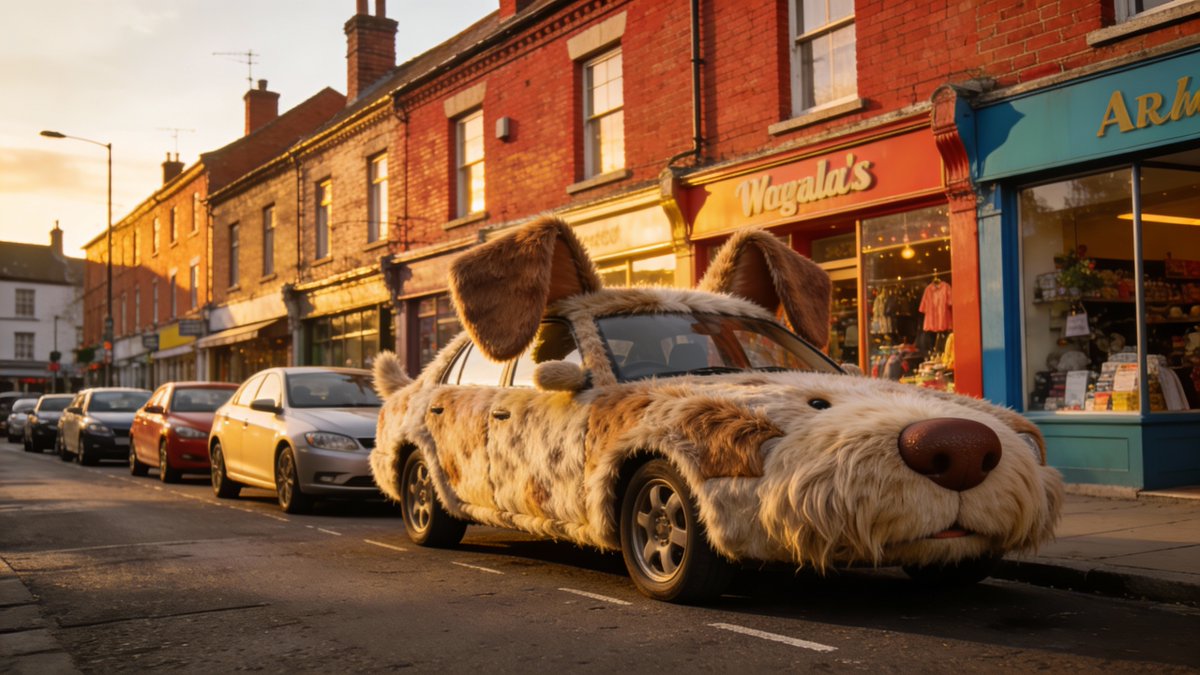
A cinematic wide-shot of a city street. Shops line the street, one right next to the other. The camera shot has the shops centered in the frame. Old red brick buildings. A car covered in dog fur (with giant dog ears and a nose) is parking along the side of the street (parallel parked) along with other normal looking cars. Cinematic color grading and lighting.

①: No input image Create 42 scenes, dividing the screen horizontally 7x vertically 6, based on "A single everyday photo taken with a low-quality disposable camera. A clumsy photo taken by Japanese high school students." Display serial numbers from 1 in the bottom left of each scene. Each scene is separated by thin white borders. Image of a thumbnail sheet that comes when film is developed. Do not draw real company names or product names. ---------- ②: Using ① as input image The input image is a thumbnail sheet that comes when film is developed. Create the undeveloped negative film from this thumbnail sheet. Place the completed negative film on a school desk and photograph it from a diagonal overhead angle. Foreground blur and background blur due to depth of field. Live-action. ---------- ③: Using ② as input image A single everyday photo taken with a low-quality disposable camera of "Japanese high school students goofing around while holding this negative film." A clumsy photo taken by Japanese high school students. Do not draw real company names or product names. ---------- ④: Using ③ as input image Include the input image at the beginning of "A single everyday photo taken with a low-quality disposable camera... (same as ① below)"

Show me 1 day later, 1 year later, 10 years later, and 30 years later in a 4-grid layout


{ "main_action": { "event": "Large explosion occurring behind a moving car", "effects": { "fireball": "Bright orange-yellow explosion expanding outward", "smoke": "Thick grey and brown smoke billowing through the street", "debris": "Particles flying in the air due to blast pressure" } }, "subjects": [ { "type": "person", "count": 3, "position": "Right foreground, running away from explosion", "pose": "Full sprint, leaning forward", "appearance": { "gender_presentation": "2 female young adult, one younger male of about 5years old", "clothing": [ "Dark jacket", "Red top", "black long pants" ] } } ], "vehicles": [ { "type": "high-speed sports car", "position": "Center foreground, moving toward the camera", "direction": "Driving at high speed away from explosion", "appearance": "Futuristic or high-performance design, sleek aerodynamic curves" } ], "background_details": { "architecture": "Tall, modern skyscrapers lining both sides of the street", "street": "Wide avenue with pavement, dust, and scattered debris", "atmosphere": "Dust-filled air from explosion shockwave" }, "composition": { "camera_angle": "Low-angle shot, close to ground, slightly tilted forward", "framing": "Subjects and car moving toward viewer; explosion centered behind them", "focus": "Sharp focus on car and running individuals; background explosion slightly diffused by smoke", "motion": "Dynamic motion blur indicating fast movement and chaos" }, "technical_notes": { "intensity_level": "Very high", "resolution": "high (appears 4K+)", "style": "hyper-realistic digital rendering, cinematic photography", } }

Transform this photo into a high-stakes arm wrestling match. Keep the subject's face and expression exactly as they are, sitting at a wooden table, straining with effort. The Opponent: Facing them is a hyper-realistic Popeye. He has normal human proportions except for his massive, bulging forearms which are bigger than his head. He is looking calm and winking. The Referee: Olive Oyl is standing between them as the referee, looking lanky and tall, screaming 'GO!' with her arms flailing. Style: Gritty bar lighting, wooden textures, focus on the contrast between the subject's arm and Popeye's giant arm

In a 2x2 grid, show the events leading up to this scene. Think 5 hours, 3 hours, 2 hours and 1 hour earlier.
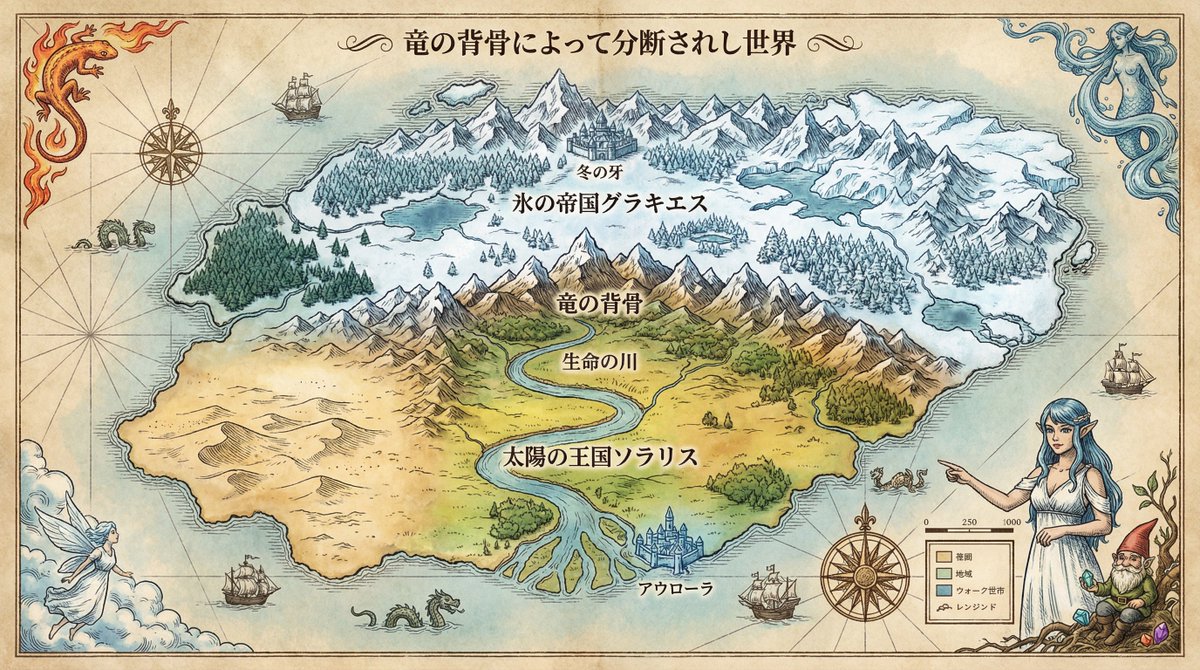
You are a legendary Royal Cartographer. Deeply analyze the content of the input text provided at the end and generate a detailed and beautiful image of a 'Fictional World Map' that reflects historical background and geographical features. In doing so, incorporate the attached reference character into the map using the style of an old map's pen drawing or watercolor, placing them as a 'Guardian of the World' or 'Symbolic Portrait' decorating the map's margins, compass rose, or legend. Maintain character consistency while naturally blending them into the map design. ▼ Instructions for the Generation Process (Thinking Process) Utilize Nano Banana Pro's inference capabilities to execute the following thought process before drawing: 1. [Step 1: Analysis of Geographical and Historical Correlation]: [Extract the conflict structure between nations, the formation of civilizations, and climatic conditions from the input text. Logically infer why borders exist there (mountains, rivers, resources)] 2. [Step 2: Visualization of Biomes]: [Determine how the described terrain (e.g., forest filled with magic, desolate wasteland) should be represented using map symbols and colors (ink density, contour lines)] 3. [Step 3: Design of Information Layout]: [Place the names of countries, capitals, and major geographical features so as not to obscure the terrain, balancing visibility and artistry] ▼ Design and Style Specification * Composition/Layout: [Orthographic projection from directly above (top-down view). A detailed overall map written meticulously to the four corners of the paper] * Taste: [Antique fantasy map style drawn on parchment. Aged paper texture, handwritten ink lines, and coloring with pale watercolors] * Text: [Clearly place country names and major city names using a serif font suitable for the world setting (Japanese compatible). The title should be written in decorative calligraphy] * Character: Draw the reference character in an [etching (copperplate engraving) style] and specify a [pose pointing to the map's 'Legend,' or a composition integrated with the compass rose]. ▼ Input Text Classic High Fantasy (Physical Consistency and Border Conflicts) Goal: Make the AI infer 'geographical logic' such as climate division by mountain ranges and river flow. World Setting: The world is divided into North and South by the gigantic mountain range 'Dragon's Spine' running east-west across the center of the continent. Northern 'Glacies, the Empire of Ice': Climate: Extreme cold, permafrost. Terrain: Steep glaciers and coniferous forests. Capital: The fortress city 'Winter's Fang' at the foot of the mountain range. Southern 'Solaris, the Kingdom of the Sun': Climate: Warm and fertile land. Terrain: The great river 'River of Life' flowing from the mountain range irrigates vast plains and flows into the southern sea. A vast desert spreads to the west. Capital: The water city 'Aurora' in the river delta. Instructions for the Map: Write the country names '氷の帝国グラキエス' (Glacies, the Empire of Ice) on the north side and '太陽の王国ソラリス' (Solaris, the Kingdom of the Sun) on the south side of the map in large Japanese text. Draw the central mountain range, river flow, and desert locations correctly geographically. Draw decorations symbolizing the Four Great Spirits of this world (Fire, Water, Wind, Earth) in the four corners of the map.
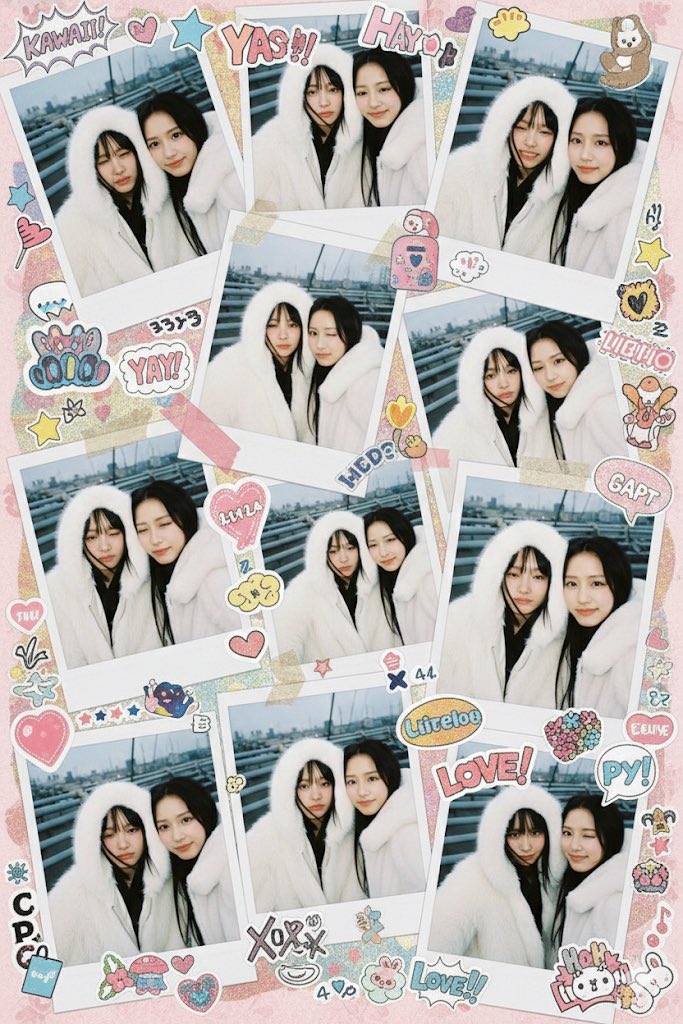
Stylebook, Collage, strong stickers, Polaroid, many photos of the same person with various expressions
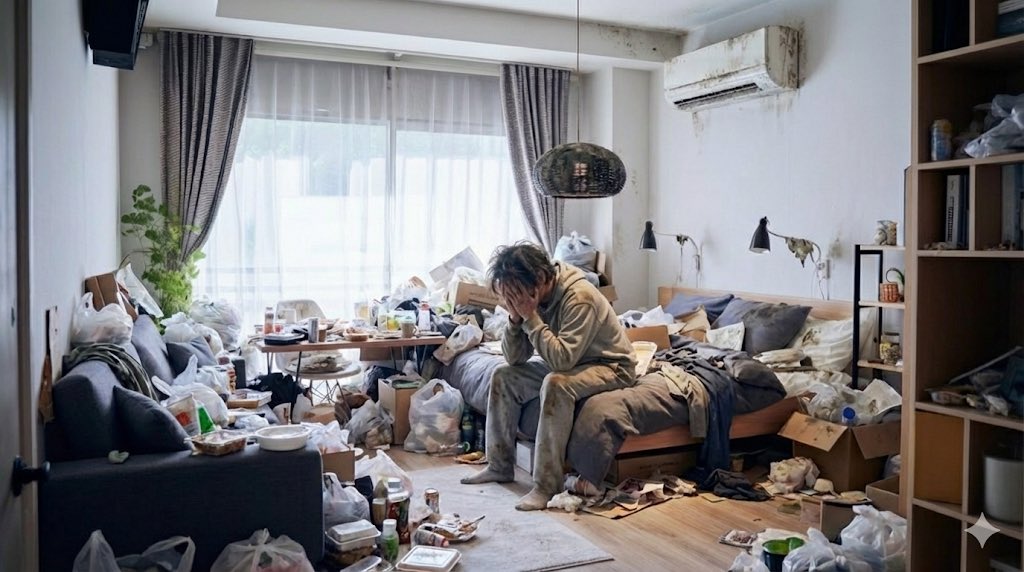
Mix 'noise' such as "{argument name="noise 1" default="garbage house"}" and "{argument name="noise 2" default="depressed person"}" into the prompt
Some prompts are collected from creators on X. Copyright belongs to the original authors.