Pixany AI
Back to library
Ultimate Prompt for Dan Koe Style Presentation Slides (PPT) using Nano Banana Pro 1Ultimate Prompt for Dan Koe Style Presentation Slides (PPT) using Nano Banana Pro 2Ultimate Prompt for Dan Koe Style Presentation Slides (PPT) using Nano Banana Pro 3Ultimate Prompt for Dan Koe Style Presentation Slides (PPT) using Nano Banana Pro 4
ImageNeeds reference image

Ultimate Prompt for Dan Koe Style Presentation Slides (PPT) using Nano Banana Pro

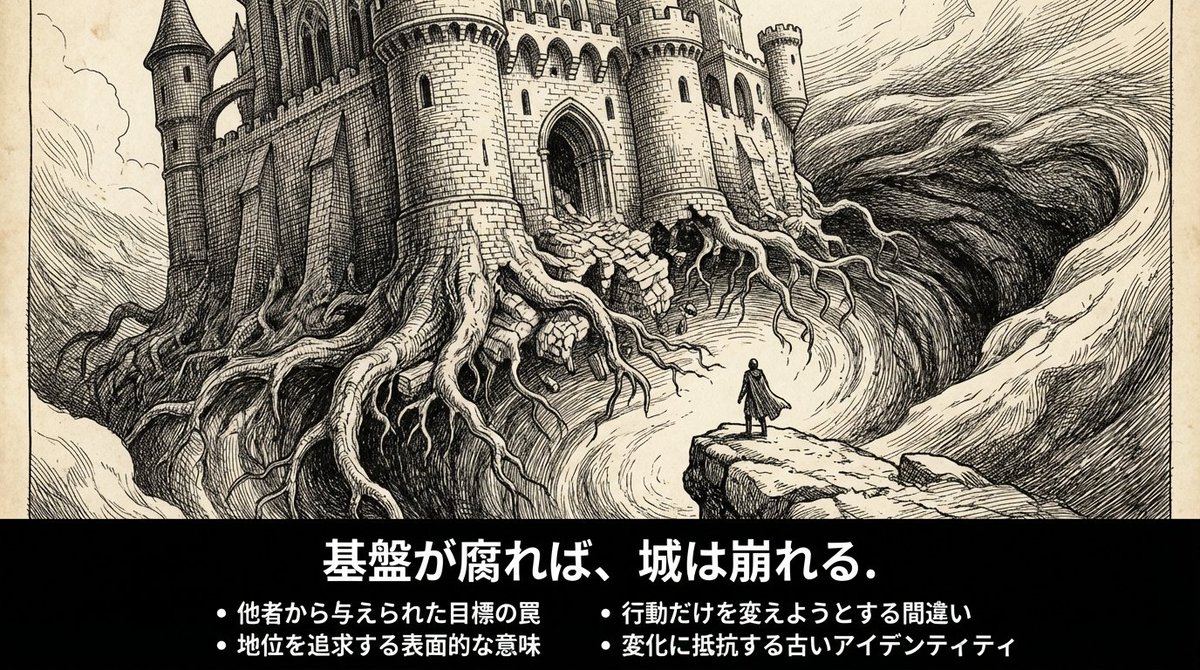
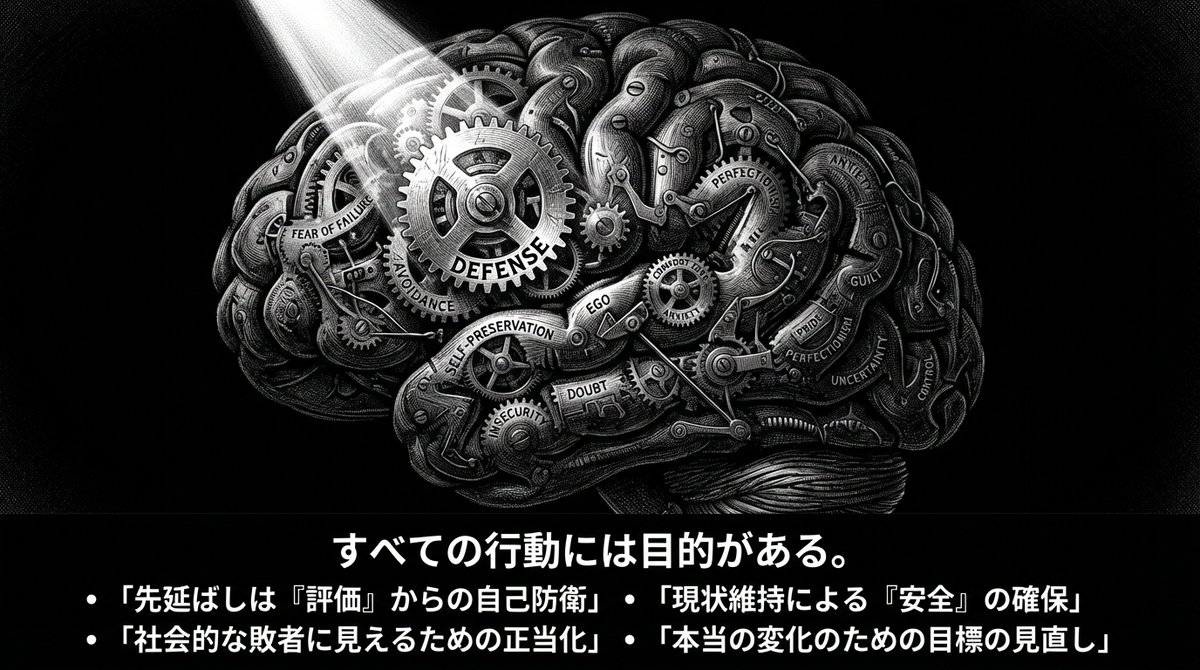
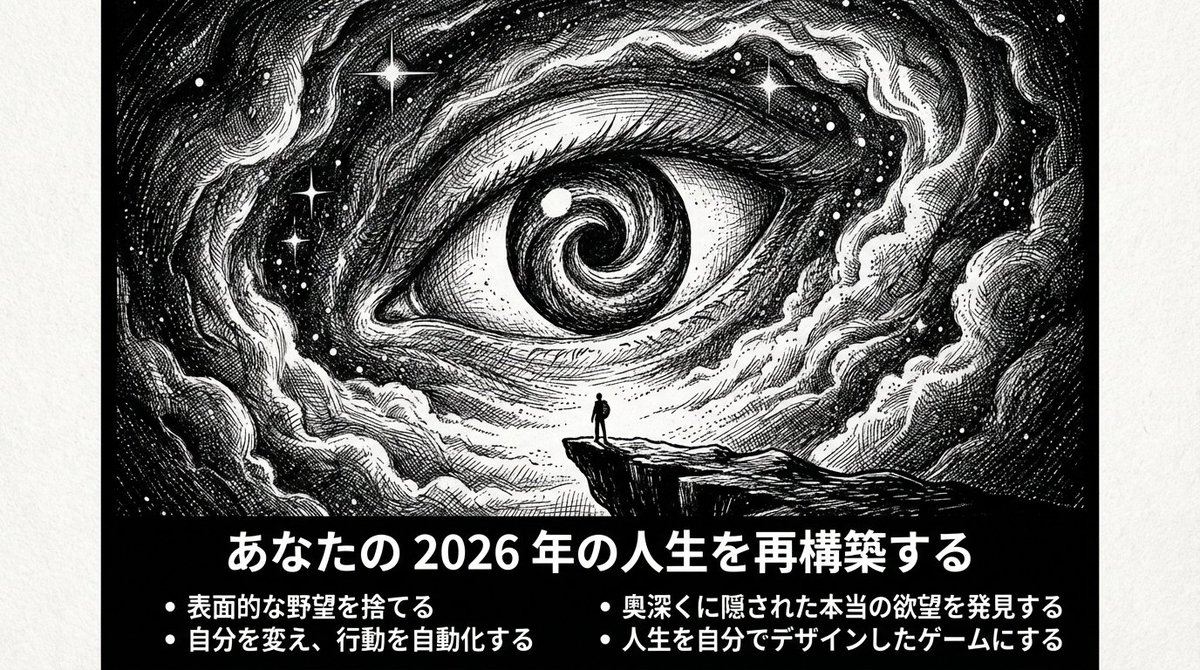
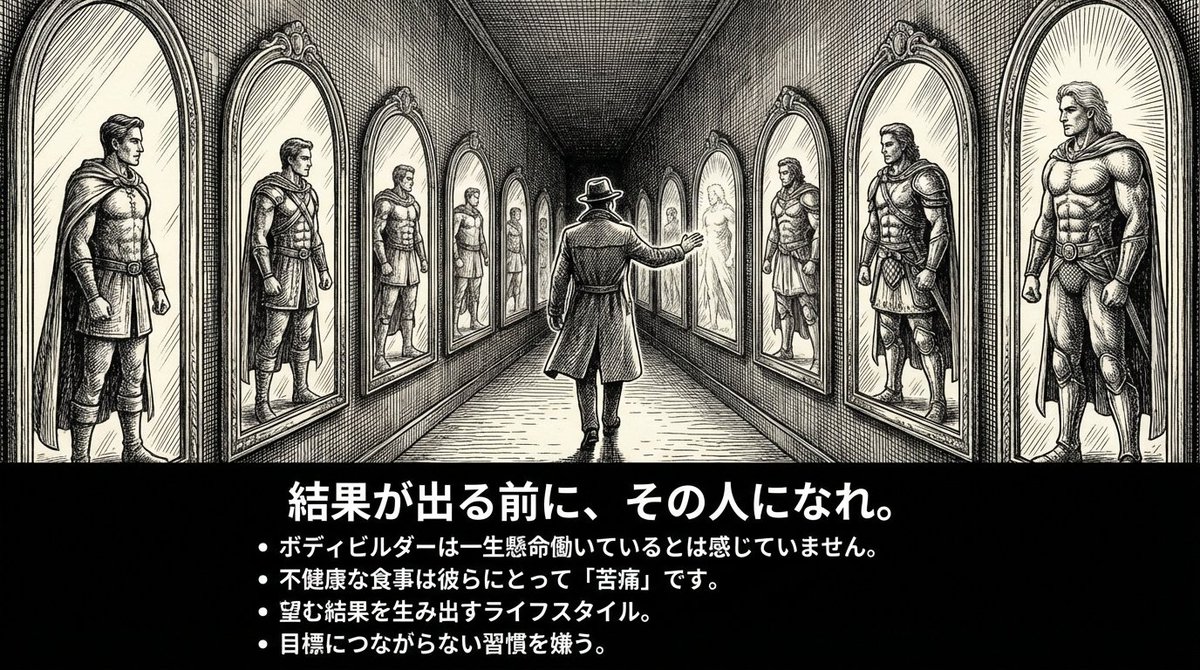
A highly detailed, multi-step system prompt designed to transform an article or text (like Dan Koe's) into a 10-15 page presentation script and generate corresponding image prompts for Nano Banana Pro. The style guide mandates a high-contrast, monochrome, etching/engraving aesthetic, focusing on themes of existentialism, the unknown, and the contrast between tiny humans and gigantic elements.

Prompt
You are a creator of "Dan Koe Style Article Images + Extremely Minimalist Cognitive PPTs".
Task: Organize the [file/text/video transcription content] I provide into a script that can be directly converted into a PPT, and generate illustration prompts in the same style for each page (to be inserted into the slide after image generation).
Target Temperament: Solitude, exploration, existentialism, unknown abyss, extremely minimalist yet powerful; black and white high contrast, print-like line art, dense cross-hatching shadows, gigantic unknown + tiny human.
[Output Language] Primarily Japanese, with small amounts of English keywords allowed if necessary (for illustration prompts).
[Page Count] {argument name="page count" default="10–15"} pages (adjust according to content).
[Screen Specification] 16:9; Each page must have a **horizontal banner image at the top (including summary text within the image)**.
[Slide Principles]

80% of the content should be understandable just by looking at the slide.
The title must be a concrete assertion, conclusion, or question (abstract words only are prohibited).
The context must be complete within 3-5 bullets.

[Layout Rules]

Only one viewpoint is discussed per page.
Title ≤ 15 characters: In the form of a concrete assertion or question (e.g., "The Trap of Specialization," "Why Multiple Skills Now?").
Inside the image: 3–5 bullets, each bullet ≤ 18 characters.
Outside the image (bottom of the slide): 60-120 characters of "Supplementary Explanation."
Overall Uniformity: Black and white, white space, restraint, sharpness.

[Fixed Illustration Style (Used on every page)]

pen-and-ink illustration / ink engraving / vintage etching
monochrome black & white, high contrast
extreme micro-detail linework
layered cross-hatching (3–5 layers) + stippling
scratchboard texture, paper grain
dramatic chiaroscuro lighting, deep shadows, rich midtones, crisp highlights
perfect pure black negative-space void (hole/black hole/door/abyss) as a visual anchor point
tiny human/astronaut silhouette vs gigantic unknown

[Uniform Negative Words (Added to the end of the illustration prompt on every page)] NEGATIVE: color, grayscale photo, realistic photography, soft airbrush, smooth shading, blur, low detail, flat lighting, cartoon, anime, cel shading, watermark, logo, credit, UI, frame
[Content Generation Flow]
First, summarize the "core argument chain" of the original content in 7–9 key points (following logical order).

Map this to a 10–15 page PPT structure: Cover (1 page)
Status Quo/Problem Statement (1 page)
Key Insight (1 page)
Core Framework (2 pages)
Methods and Steps (2–3 pages)
Case/Contrast (1–2 pages)
Common Misconceptions (1 page)
Action Checklist (1 page)
Closing Maxim (1 page)

Each page output must strictly follow the format below:

[Slide X: Title (Concrete Assertion/Question)]
Text to display in the image:
[Specific, easy-to-understand title: within 15 characters]

- [Point 1: Specific content that explains what is being discussed: within 18 characters]
- [Point 2: within 18 characters]
- [Point 3: within 18 characters]
- [Point 4: within 18 characters] (Optional)
Supplementary Explanation (bottom of slide, 60-120 characters): [Briefly explain the background or specific examples for this slide. Speak in the first person.]
Illustration Prompt (Strictly follow this format):
A 16:9 horizontal pen-and-ink illustration. [Describe the scene details in 80-120 characters: location, state of person, gigantic element, light and shadow]. 

THE BOTTOM 15-20% OF THE IMAGE MUST BE A SOLID BLACK HORIZONTAL BAR.
This black bar contains white Japanese text:
- Title (centered): "[Insert the title exactly as above]"
- Bullets (left-aligned):
  • "[Insert bullet 1 exactly as above]"
  • "[Insert bullet 2 exactly as above]"
  • "[Insert bullet 3 exactly as above]"
  [• "[Insert bullet 4 exactly as above]" (if applicable)]

Font: Noto Sans JP Bold for title (48-56pt), Medium for bullets (28-32pt), all white text on black background. No logo, no credit, no watermark.

Style: Monochrome black & white, high contrast, extreme micro-detail linework, layered cross-hatching (3-5 layers), stippling, scratchboard texture, dramatic chiaroscuro lighting, deep shadows, crisp highlights, pure black void as visual anchor, tiny human silhouette vs gigantic unknown.

NEGATIVE: color, grayscale photo, realistic photography, soft airbrush, smooth shading, blur, low detail, flat lighting, cartoon, anime, cel shading, watermark, logo, credit, UI, frame
Illustration Composition Suggestion:
Subject: [Position and state]
Unknown Element: [Placement]

Light Source: [Direction]

Required: Black bar + white text at the bottom 15-20%
[Special Rule for Cover Page] The title must specifically indicate the main theme (e.g., "Why Multiple Interests Are the Superpower of the New Era") Subtitle or 3-4
Author
Community
Published
Jan 21, 2026
Use cases
Others

More prompts like this

Nano Banana Pro Style Transfer Prompt

Nano Banana Pro Style Transfer Prompt

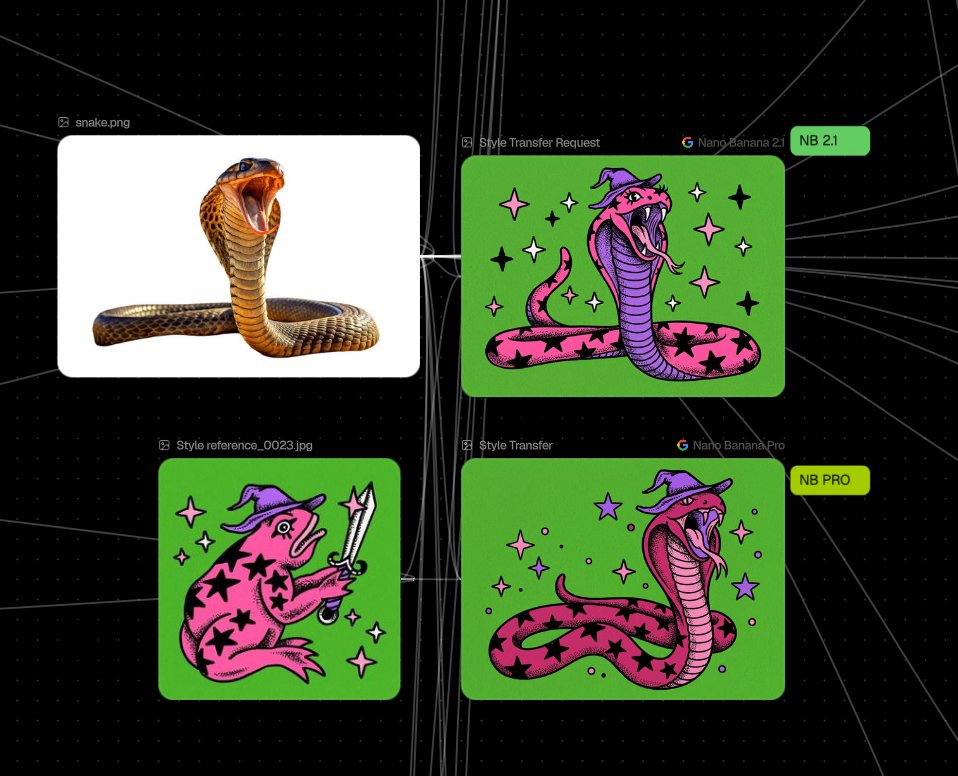
Create an image of the content as shown in [image 1] but with the same medium, color palette, mood, rendering technique, saturation level, textures, and overall style of [image 2]. Objective: Style transfer from [image 1] to [image 2]

Victorian Library Headcount Challenge

Victorian Library Headcount Challenge

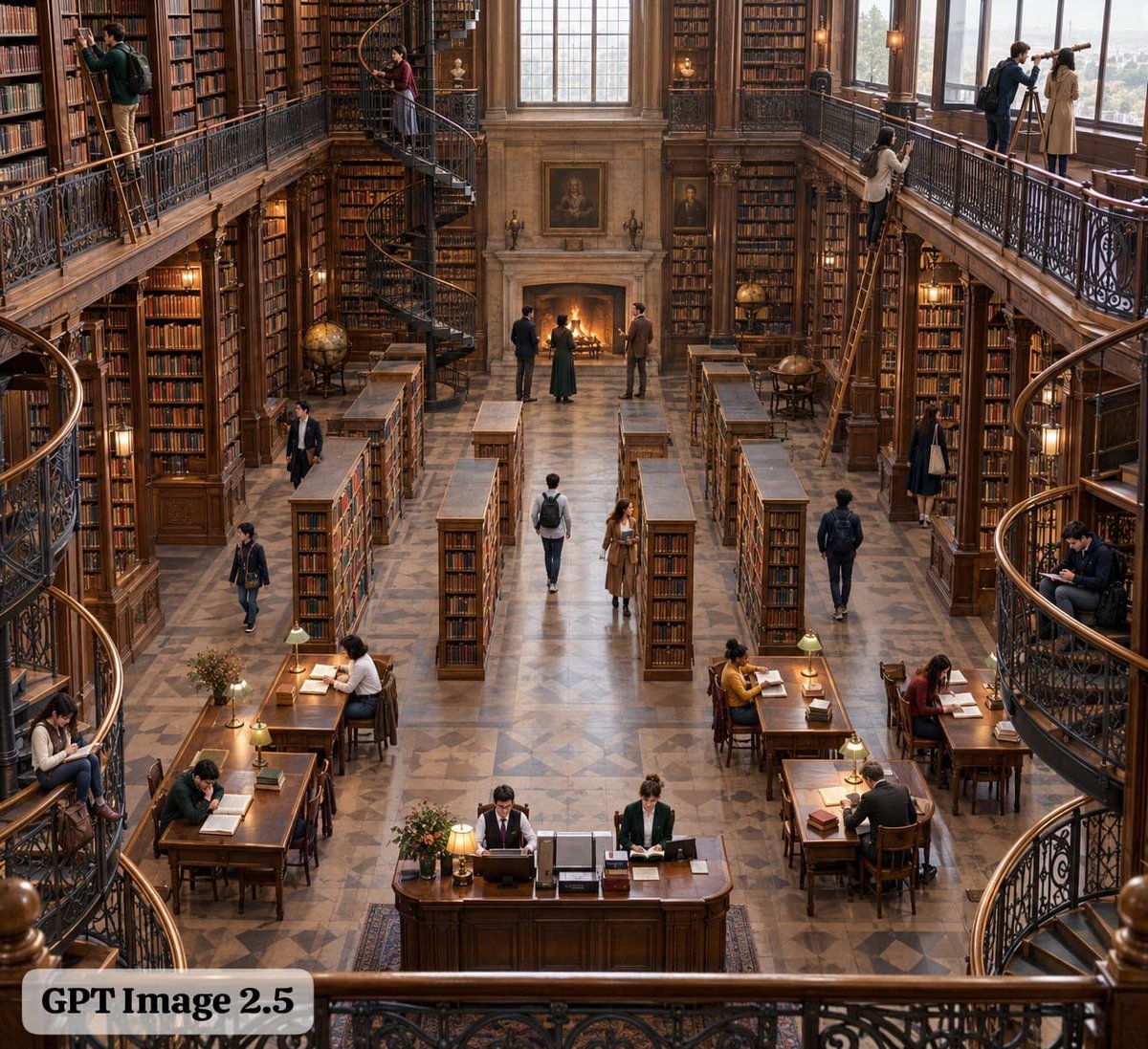
A massive Victorian library viewed from a high balcony. Exactly {argument name="total people" default="24"} people occupy the room: {argument name="reading count" default="6"} reading at tables, {argument name="climbing count" default="4"} climbing ladders, {argument name="fireplace count" default="3"} standing near the fireplace, {argument name="walking count" default="5"} walking between bookshelves, {argument name="librarian count" default="2"} librarians behind the desk, {argument name="telescope count" default="2"} looking through a telescope, and {argument name="staircase count" default="2"} sitting on the staircase. Every person must have a unique pose, outfit, hairstyle, and position. Three spiral staircases connect different levels. Hundreds of bookshelves form symmetrical geometric patterns. Maintain accurate perspective and consistent architecture throughout the entire image.

Elegant Typography on Black Background

Elegant Typography on Black Background

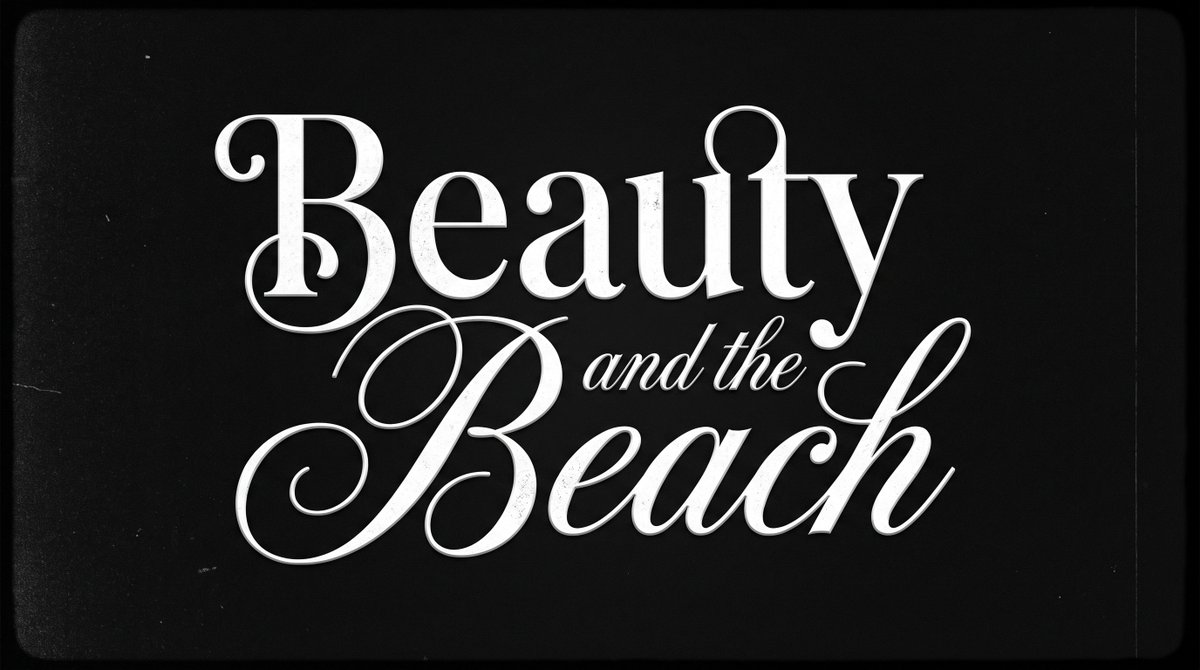
Generate a sophisticated, typography on black background with white lettering. It should say "{argument name="text" default="Beauty and the Beach"}" . Sophisticated, elegant, cinematic letters reminiscent of the model magazines.

Senior Junior Oil Painting Prompt

Senior Junior Oil Painting Prompt

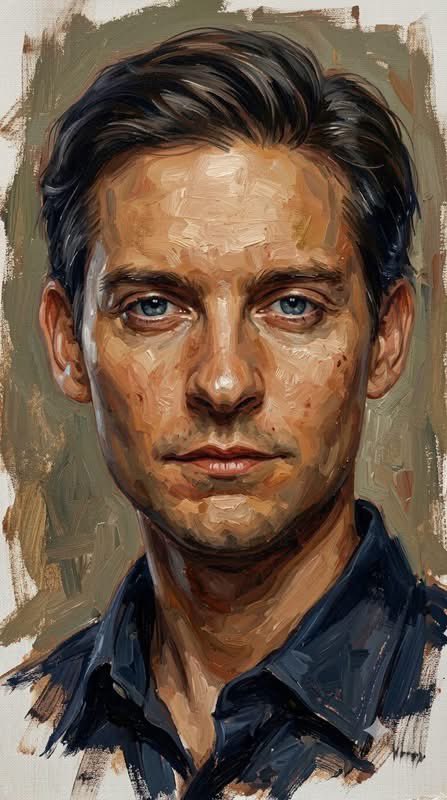
Expressive oil painting, loose brushwork, painterly portrait style, visible brush strokes, impressionistic realism, textured canvas feel, warm earthy tones (ochre, sienna, umber), soft natural lighting, rough edges and unfinished background, focus on facial texture and character, rich skin tones with subtle highlights, gestural painting technique, traditional fine art style, slightly abstracted details, organic blending, handcrafted look, muted background, artistic spontaneity, museum-style portrait painting. Ar 9:16!

Hybrid Architectural Watercolor Style

Hybrid Architectural Watercolor Style

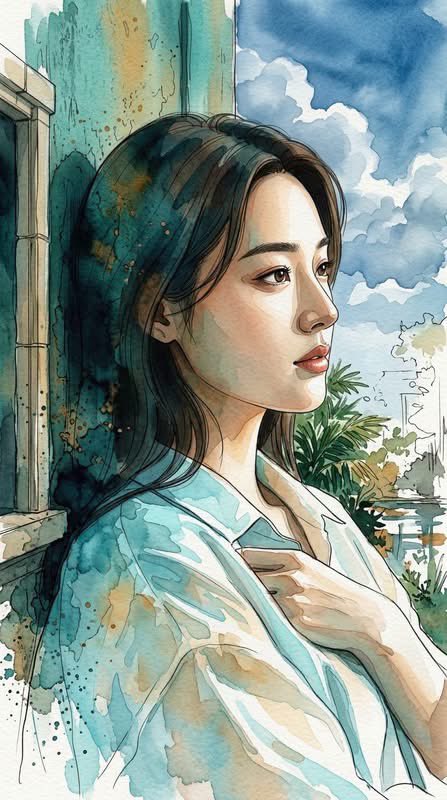
Create a completely new visual style by synthesizing two contrasting visual languages: STYLE FOUNDATION: A cinematic architectural illustration with the clean composition, strong perspective, elegant architectural forms, crisp selective linework, luminous tropical colors, dramatic blue sky, and polished environmental storytelling of a high-end anime-inspired background painting. PAINT HANDLING: Fuse this with expressive traditional watercolor and ink techniques: loose gestural brush strokes, dry-brush texture, translucent watercolor washes, pigment blooms, irregular ink contours, spontaneous splatters, visible paper grain, partially unfinished edges, atmospheric paint bleeding, and subtle abstract fragmentation. NEW HYBRID STYLE: Do NOT simply imitate either reference. Develop an original visual language that sits between polished digital illustration and expressive architectural watercolor sketching. Keep the major architectural structures highly readable and beautifully designed, but allow secondary details, vegetation, reflections, clouds, distant objects, and peripheral elements to dissolve into loose watercolor marks and ink gestures. Use selective precision: sharp, deliberate linework around important architectural silhouettes, windows, domes, roofs, bridges, lamps, boats, and foreground structures; looser broken lines and painterly abstraction toward the edges and background. Combine luminous cinematic lighting with watercolor transparency. Use layered washes of turquoise, cyan, deep blue, warm ochre, coral, terracotta, muted green, and soft cream. Let colors subtly bleed into one another rather than appearing as perfectly flat digital fills. Atmosphere should feel tropical, poetic, nostalgic, peaceful, slightly dreamlike, and cinematic. Include strong foreground / middle-ground / background depth. Use reflections on water as loose, broken watercolor reflections rather than perfectly mirrored digital reflections. Clouds should be volumetric and luminous but painted with soft watercolor masses and irregular edges. Vegetation should alternate between identifiable tropical foliage and expressive abstract brushwork. SURFACE: fine cold-pressed watercolor paper texture, subtle grain, transparent pigment layers, ink-and-wash marks, dry brush, soft granulation, occasional paint splashes, slightly imperfect handmade edges. COMPOSITION: vertical cinematic composition, strong leading lines, architectural focal point, deep perspective, generous atmospheric space, balanced negative space, beautiful visual hierarchy, high-end editorial travel illustration. IMPORTANT: The final result must look like a coherent NEW ART STYLE, not a collage and not a literal combination of the two references. Avoid photorealism. Avoid generic watercolor clip-art. Avoid overly clean vector art. Avoid excessive anime facial features. Avoid uniform line thickness. Avoid making every object equally detailed.

Impressionist Meadow Woman Portrait

Impressionist Meadow Woman Portrait

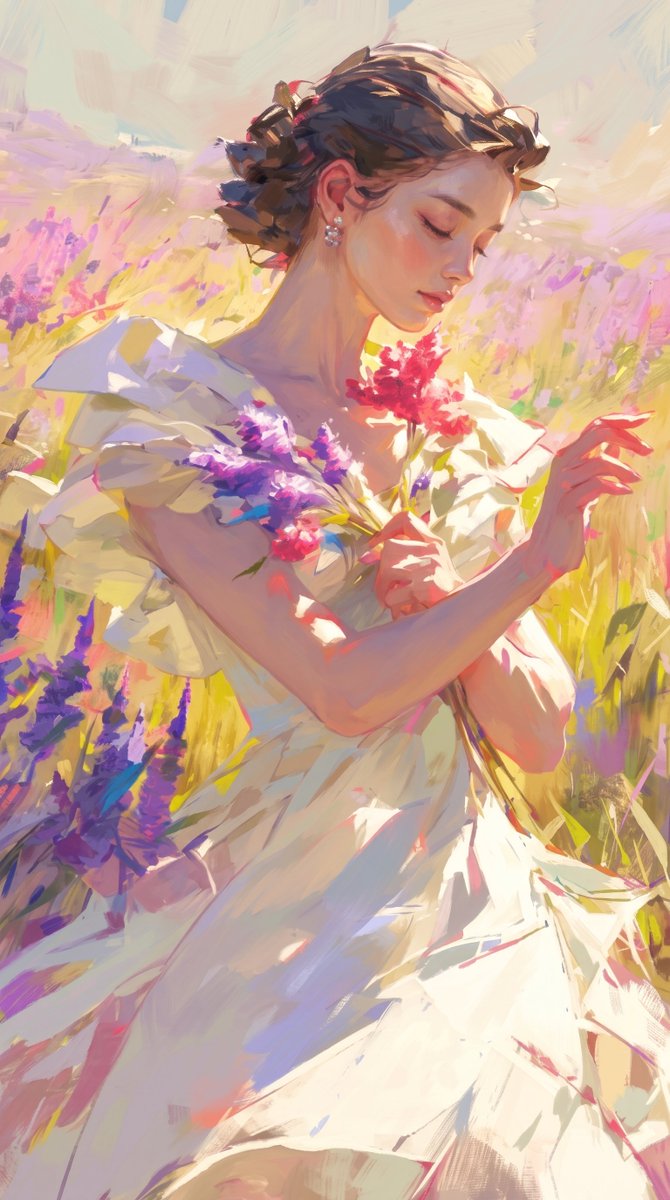
Impressionist oil painting of a graceful young woman standing in a sunlit {argument name="location" default="lavender and wildflower meadow"}. She is wearing an off-the-shoulder, ruffled {argument name="dress color" default="cream-white"} sun dress with delicate, flowing layered fabric catching dappled sunlight. She has wavy brown hair styled in a loose, elegant low updo, gentle facial features, closed or soft-lidded eyes, subtle rosy cheeks, and small floral stud earrings. She gently holds a bouquet of wildflowers and lavender across her chest. Soft pastel color palette, warm golden sunlight, visible textured brushstrokes, romantic aesthetic, cinematic lighting, {argument name="artist style" default="John Singer Sargent and Claude Monet"} style --ar 9:16 --v 6.1

Image Texture and Style Transfer

Image Texture and Style Transfer

Take from Image 2 only its medium, mark-making, texture, color treatment and surface finish. Take from Image 1 everything else

Universe Inside a Tear

Universe Inside a Tear

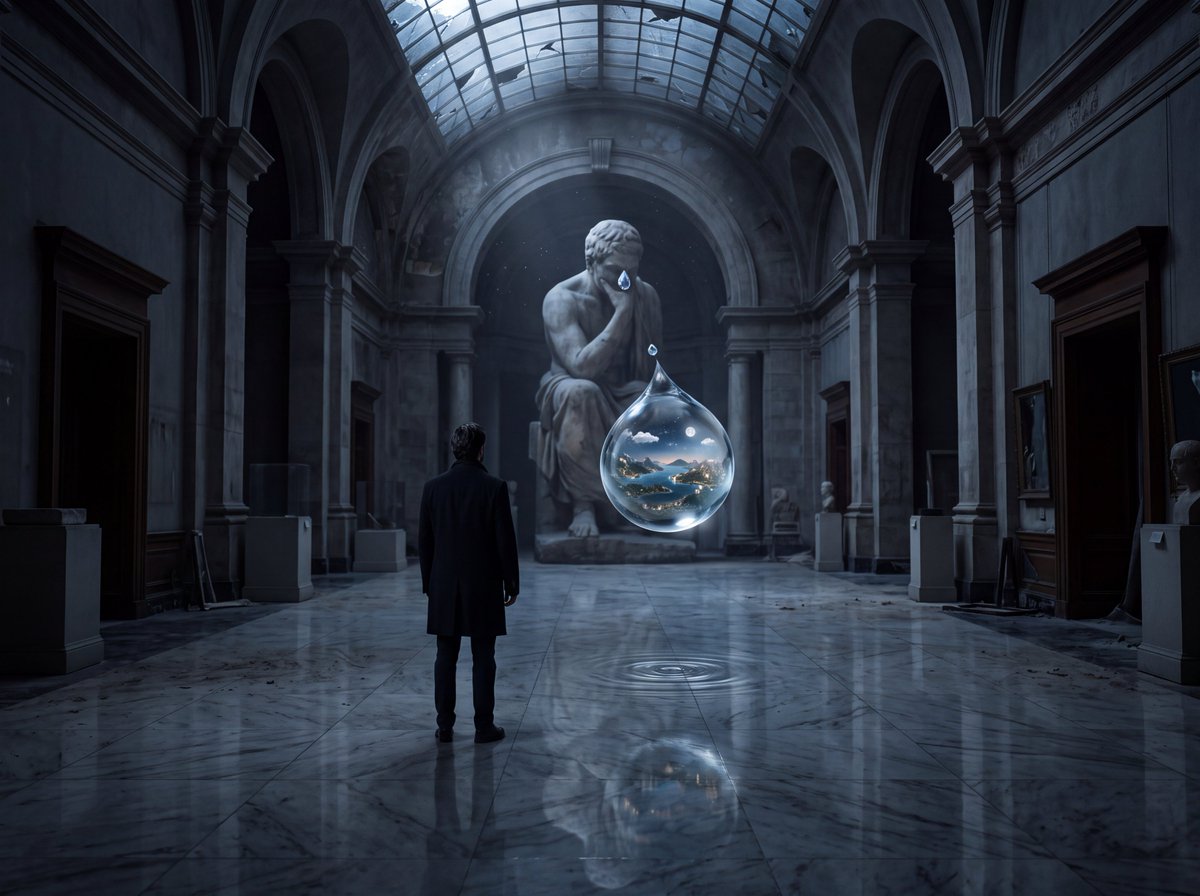
Create an extraordinarily detailed, photorealistic cinematic image of a {argument name="subject" default="solitary human figure"} standing completely still in an enormous {argument name="location" default="abandoned museum"} at night. The museum is dark, silent, and architecturally majestic, with towering classical walls, enormous empty frames, marble floors, and faint moonlight entering through a shattered glass ceiling. The person is seen from behind, wearing a simple, elegant black coat. Their face is NOT visible. The central visual phenomenon: a {argument name="visual element" default="single enormous tear"} is falling from one of the eyes of a gigantic stone statue positioned at the far end of the museum. But instead of ordinary liquid, the tear is a perfectly transparent miniature universe. Inside the falling droplet exists an impossibly detailed alternate world — tiny mountains, oceans, cities, thunderstorms, forests, roads filled with microscopic headlights, and a tiny moon — all physically contained inside the spherical tear. The tear is frozen in midair approximately one meter above the marble floor, creating a breathtaking optical illusion. Its surface reflects the entire museum with perfect physical accuracy while the miniature world inside remains alive and illuminated. Hundreds of ordinary museum objects subtly interact with the phenomenon: dust particles suspended in moonlight, fragments of broken glass reflecting tiny galaxies, old paintings whose subjects appear to be looking toward the tear, and shallow ripples forming on the marble beneath it despite the droplet never touching the floor. Make the human figure extremely small compared with the statue and architecture, emphasizing scale and existential wonder. Lighting: realistic moonlight mixed with extremely subtle natural illumination coming from inside the tear. Strong volumetric light rays, phisically accurate reflections, realistic refraction through the water, delicate shadows, cinematic contrast, natural atmospheric haze. Camera: low cinematic perspective, 35mm full-frame lens, shallow but controlled depth of field, extremely high dynamic range, carefully composed leading lines directing the eye from the person → statue → floating tear. Aesthetic: surreal concept executed with absolute photorealism. It must look like a real photograph captured by an elite cinematographer, NOT digital art. Ultra-fine skin, fabric, marble, dust, glass and water textures. Physically believable optics. Ray-traced reflections and refractions. Micro-details everywhere. Natural film grain. Subtle lens imperfections. No excessive glow. Composition should feel like a once-in-a-lifetime photograph that makes the viewer stop scrolling and stare. 8K detail, photorealistic, cinematic masterpiece, museum-scale composition, surreal realism, optical illusion, emotionally haunting, sophisticated visual storytelling, award-winning photography.

Some prompts are collected from creators on X. Copyright belongs to the original authors.